





Introduction and goals
What salvage yards are and what this guide covers
This guide focuses on practical, reader-friendly steps: how to shop smart, perform inspections (on-site or remote), and budget realistically so you can move from viewing a lot to legally road-ready ownership with confidence, especially within the Houston Metroplex and nearby markets; for a deeper look, see the ultimate guide to finding the best salvage yards for old cars.
Core priorities: safety, reliability, sustainability
Sustainability means prioritizing transparent sourcing, responsible recycling of components, and choosing options that minimize environmental impact where possible, as described in the ultimate guide to finding the best salvage yards for old cars.
What you’ll gain: a practical step-by-step path
By the end of this guide, you’ll have a clear, actionable path—identifying trusted platforms and local yards, performing thorough inspections (in person or via remote options), building a repair and valuation plan, setting a disciplined bidding strategy, understanding title transfers and registration, and arranging transport so your salvage vehicle becomes road-ready efficiently—while exploring options like cash for cars los angeles to compare how this process works in California.
Understanding salvage titles and yard operations
Salvage statuses and impact on value and insurability
Vehicles sold through salvage yards can carry several title statuses, including salvage, rebuilt/reconstructed, flood-damaged, or theft-recovered. Each status carries different value implications and insurability realities. A salvage title typically reduces insurance options and resale value until a state-approved rebuild is completed. A rebuilt title often improves insurability but may still limit coverage on certain high-performance components. Flood damage raises concerns about corrosion and hidden electrical issues, while theft-recovered vehicles can carry a stigma and require thorough VIN verification. Understanding how a given status affects cost, parts availability, and risk helps you price repairs more accurately.
How salvage yard operations work
Yards mix three core channels: in-person purchases from on-site lots, online auctions with proxy bidding and buyer fees, and wholesale/retail mixes that balance volume with recoverable value. In-person purchases let you perform live inspections, while online auctions expand access to distant inventories and data-rich condition reports. Wholesale channels can offer steep discounts but may require more due diligence to avoid hidden damages or undocumented repairs. Knowing how a yard operates helps you plan your visit or bidding strategy and avoids surprises at pickup.
Documentation for title transfers and DMV checks
When a salvage vehicle changes hands, you’ll need proper documentation to transfer title and register for road use. Expect lien releases, a bill of sale, and, where applicable, reconstruction certificates or rebuilt-title applications. DMV verification steps vary by state, so confirm required forms, inspections, and any emissions requirements before you drive the vehicle. In Texas and many other states, the rebuilt-title process includes an inspection to verify repairs, VIN consistency, and safety compliance before the title is reissued. Staying organized with these documents streamlines the transfer and reduces delays at the DMV.
Where to buy in 2025: platforms, yards, and channels
Major platforms and regional yards in 2025
Dominant online platforms such as Copart and IAAI continue to anchor salvage vehicle buying, offering large inventories, data-rich condition reports, and streamlined bidding mechanisms. Online marketplaces like SalvageBid are growing, while regional yards across Texas and neighboring states supplement national platforms with local inventory and pickup options. For Houston-area buyers, regional yards and nearby auctions can reduce transport costs and provide quicker access to parts and repair networks. Leveraging a mix of these channels often yields the best balance of price, risk, and convenience.
Online vs. in-person purchases: pros, cons, and costs
Online purchases deliver convenience, comprehensive data, and broad selection, but they can carry hidden damages not fully captured in photos and a buyer premium or transportation costs that add up. In-person purchases let you perform a hands-on inspection and assess unseen issues, yet inventory is limited by location and timing. In both cases, anticipate buyer premiums, handling fees, and potential transport or tow costs. A practical approach is to reserve online bids for projects with well-understood repair paths and use in-person visits for high-potential candidates where you can validate the condition directly.
Trends shaping buying: digital catalogs, mobile apps, remote inspections
2025 trends show a growing emphasis on digital catalogs, mobile inspection apps, and remote due diligence. Car histories, component-level data, and high-resolution imagery empower buyers to assess risk before bidding. Some platforms allow remote walkarounds or third-party inspections, which can help you verify VIN accuracy and note hidden issues. As data reporting improves, you can calibrate your valuation more precisely and avoid overpaying for uncertain lots, especially when buying from distant yards.
Inspecting salvage vehicles: on-site and remote due diligence
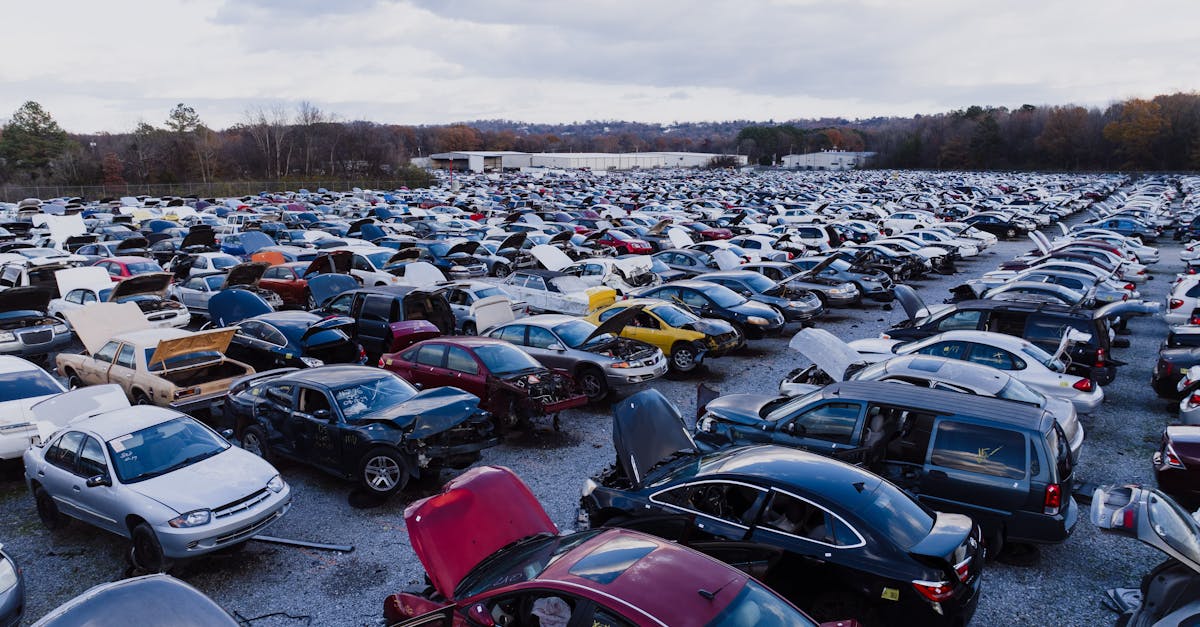
On-site inspection checklist
When you visit a lot, run a concise, structured check to gauge repair needs and safety. Look for frame and structural integrity, suspension and steering condition, engine and transmission health, visible fluid leaks, rust, deployed airbags, electrical system status, and tire condition. Bring a flashlight and a magnet for checking body panels for bondo or replacement parts. Document issues with notes and photos so you can compare with the valuation you planned.
- Frame and structural concerns
- Suspension, steering, and alignment
- Engine, transmission, and start/run condition
- Fluid leaks and cooling system health
- Rust, corrosion, and undercarriage integrity
- Airbags and safety systems
- Electrical components and lighting
- Tire tread and wheel condition
Remote inspection options
If you cannot visit in person, request high-resolution photos, a video walkaround, and, where allowed, a third-party inspection. Verify documentation, VIN accuracy, and the consistency of the reported mileage and service history. A well-documented remote inspection can be sufficient to validate a repair path, provided the data quality is high and the seller stands behind the information.
Red flags to avoid
Avoid vehicles with extensive water or fire damage, major frame repairs, missing critical components, or inconsistent mileage claims. Be wary of incomplete repair histories or vehicles with rebuilt titles lacking transparent documentation. If you detect multiple red flags during inspection, set the lot aside and reallocate your budget to safer, smarter candidates rather than chasing uncertain inventory.
Valuation, budgeting, and decision making
Valuation basics and adjustments
Valuation should start with comparing salvage prices to clean-title equivalents, then adjust for brand risk, repair complexity, and platform fees. Remember the repair path, parts availability, and labor rates in your market influence final cost. In Houston and surrounding areas, labor costs can vary by shop and specialty, so factor in proximity to repair networks and whether performance parts are readily available. A disciplined approach keeps you from overpaying based on emotion rather than data.
Estimating repair and reconditioning costs
Estimate repair costs with a conservative contingency to cover parts, labor, and potential weather-related delays. Prioritize rooms for exception handling in a rebuild plan, such as electrical harnesses, cooling systems, and structural work. Consider parts availability and lead times; rare components or specialized service centers can push costs higher and extend timelines, especially in the Houston area where weather and supply chains can impact schedules.
Total cost of ownership and decision framework
Compute total cost of ownership by adding purchase price, buyer fees, transport, storage, title/registration, insurance, and the anticipated resale value after repairs. Build a decision framework that prioritizes the projects most likely to deliver a predictable ROI within your timeline. Documented budgets and a clear scope of work help you compare multiple lots objectively and reduce the risk of buyer’s remorse when others win the bid.
Bidding strategies and buying tactics
Setting bidding limits and proxy bidding
Set a firm maximum bid based on your repair/valuation plan before the auction opens. Use proxy bidding to ensure you do not exceed your limit, and avoid the adrenaline rush of last-second bids that can push you past reasonable thresholds. If you encounter a lot with uncertain repair paths, walk away and reallocate your budget to higher-confidence options.
Watchlists and batch purchasing strategy
Create a focused watchlist of lots with known repair paths and accessible parts. Batch similar candidates to compare expected ROI side by side and avoid chasing scarce inventory. A batch approach helps you prioritize vehicles with stabilizing factors, such as shared engines or known compatibility with local repair ecosystems.
Timing, buy-it-now, and platform nuances
Understand platform features such as buy-it-now options, bid increments, and post-auction purchase processes. Timing can matter: some platforms offer better post-auction pricing or easier transport arrangements when you act quickly. Knowing the nuances helps you capitalize on favorable terms while staying within your budget.
Regulatory, safety, and compliance considerations
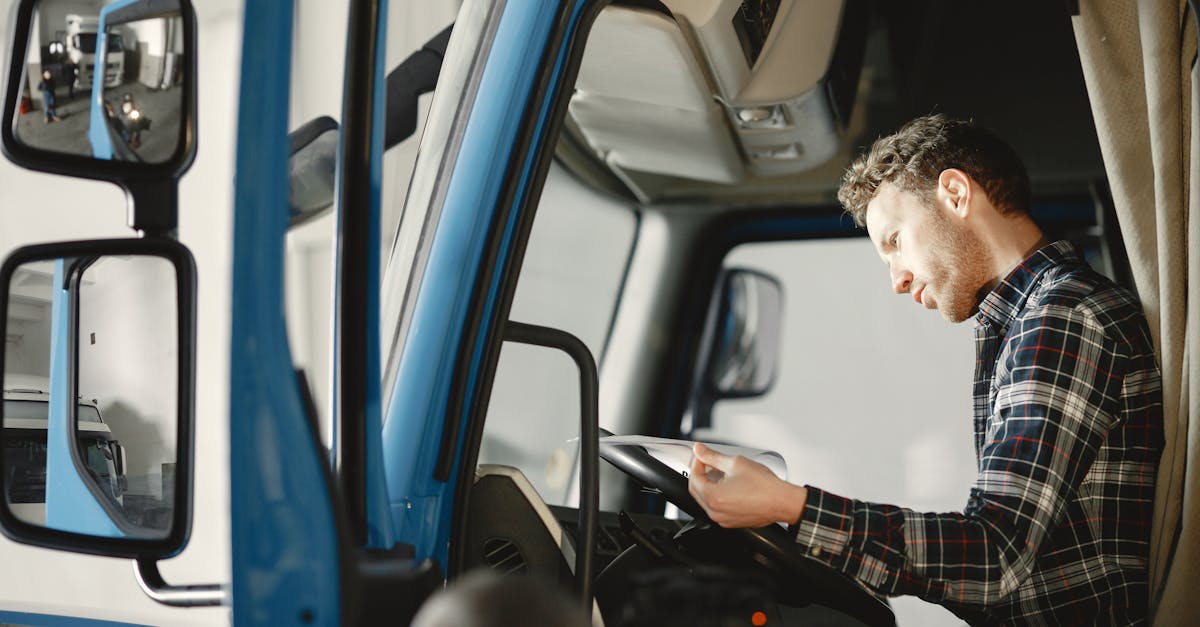
Title transfer and rebuilt inspections
Navigate the title transfer process when changing from salvage to rebuilt status. State-specific inspection requirements, emissions tests, and VIN verification determine how soon you can legally drive the vehicle. In Texas, rebuild inspections are common steps in the title update, and failing to complete them can delay registration and insurance coverage. Always confirm the precise steps with your local DMV or equivalent authority before finalizing a purchase.
Insurance considerations for salvage-rebuilt cars
Insurance options for salvage or rebuilt vehicles vary by insurer and policy. Some carriers offer full coverage after a rebuild, while others impose restrictions or rates higher than those for clean-title cars. If you plan to finance or lease the vehicle, check lender requirements early, as some lenders restrict or limit coverage on salvage-rebuilt titles. Transparent documentation helps smooth the underwriting process.
Recalls, advisories, and VIN verification
Keep current on recalls and safety advisories for vehicles you’re considering. VIN verification helps confirm ownership history and ensures the title reflects the actual vehicle. If recalls exist, you’ll want to verify that appropriate repairs have been completed or are planned as part of the rebuild, especially for critical safety systems like airbags, brakes, and airbags.
Getting a salvage vehicle home and road-ready
Transport options and transit insurance
Options include in-house transport, bonded carriers, or permitted drive-away arrangements. If you choose transport, ensure the carrier carries appropriate insurance and understands the vehicle’s title status and any special handling requirements. For drive-away scenarios, verify local regulations and insurance coverage during transit to avoid gaps in protection.
Planning the rebuild and shop selection
Choose a qualified shop with experience in salvage and rebuilt projects. Confirm parts compatibility, warranty terms, and a detailed repair scope that aligns with your valuation. A clear rebuild plan reduces miscommunications, speeds up the process, and helps you track progress against your budget and timeline.
Title transfer, inspections, and permits
Complete the title transfer once the rebuild reaches the required milestones and inspections. Secure any temporary permits if required by local regulations to keep the vehicle legally operable during the rebuild. Maintaining meticulous records of repairs, parts, and inspection results supports a smoother resale and helps future owners understand exactly what was done and why.
Sustainability, trends, and starting a practical plan
2025 trends in salvage: EVs and data reporting
2025 sees rising activity in EV salvage, with particular attention to battery safety, thermal management, and battery-sourcing transparency. Data-driven condition reporting is becoming standard, enabling buyers to weigh risk more precisely and plan appropriate repair paths. This trend supports smarter decisions and encourages safer, more reliable rebuilds across the market.
Sustainability and responsible practices in salvage
Salvage and remanufacturing play a meaningful role in reducing waste and extending the lifecycle of vehicles. Prioritize transparent sourcing, ethical dismantling, and responsible recycling of fluids and hazardous components. Transparent reporting about how parts are sourced and recycled builds trust with buyers and helps sustain a more circular economy in the auto repair ecosystem.
A practical starter plan: goals, budget, platforms, inspections, workflow
Begin with clear goals: what vehicle you want, your budget ceiling, and your timeline. Choose a mix of platforms and local yards, arrange inspections (on-site or remote), and map a simple repair-to-resale workflow. Create a checklist that covers platform research, inspection criteria, estimated repair costs, and title-transfer steps. This practical plan keeps you focused, reduces risk, and helps you achieve timely, profitable outcomes in the evolving 2025 salvage market.
Ready to turn your unwanted vehicle into quick cash? Kelly Car Buyer, Inc makes it easy to sell almost any type of vehicle—including cars, junk cars, trucks, semi-tractors, and trailers—regardless of condition. Don’t wait to get the best offer—click now to discover how simple and hassle-free selling your vehicle can be, and enjoy fast, top-dollar payouts today!