





yes, car junk yards matter in your city today because they recycle metals, reduce waste, support local economies, and can be a source for affordable used parts.
By sourcing recycled auto parts, you can cut costs, reduce waste, and keep vehicles on the road longer—see how it works on the yes page.
How to Find Nearby Car Junk Yards (Local Search Tactics)
Use map-based tools and local directories to identify nearby yards, then verify hours, distance, and services before you head out; you can also explore new york city auto salvage for broader options.
Start with map-based searches
Begin with terms like junk yard near Houston, auto salvage near Katy, or scrap car buyers in Houston. Map results will show distance, approximate hours, and user tips. Pay attention to yards that consistently appear in the top results, as visibility usually correlates with credibility and service consistency. From there, drill down into each listing’s details—look for stated services, whether they clear title transfers, and if they offer free pickup.
Check licenses, certifications, and reputational signals
Credible yards operate under state and industry guidelines. In Texas, confirm that the yard holds appropriate salvage dealer licenses and environmental certifications. Cross-check with state or trade bodies for status and any complaint history. Read recent reviews to gauge reliability, responsiveness, and how they handle issues like core returns or part warranties. A yard that proactively displays licenses and a clean review history is a strong signal you can trust.
Verify hours, distance, and proximity before visiting
Time matters when you’re coordinating a pickup or a last-minute part search. Check current hours and note that many yards operate Mon–Sat with varying weekend hours, while some require appointments for pickups. Use distance indicators to prioritize yards within a reasonable drive from your location, minimizing delays. Always call ahead to confirm acceptance of your vehicle and to verify that the specific part you need is in stock.
Consult credible local resources
Local automotive repair shops, fleets, and even nearby universities sometimes maintain lists of trusted yards. Community boards and the state DMV portal can offer guidance on proper documentation and title transfers. If you’re new to the area, ask neighbors or local car clubs for first-hand experiences. The more corroborating signals you have—licenses, reviews, and local referrals—the more confident you can be in your selection.
What Yards Offer: Parts, Services, and Sustainability
Your local junk yards can be one-stop shops for parts, services, and sustainable disposal. Understanding the full scope of what a yard provides helps you compare options beyond just the price tag. From inventory depth to environmental commitments, the right yard can save you money while supporting responsible practices.
Inventory and core exchanges
Most yards stock a broad range of used parts—engine components, transmissions, brakes, electronics, and body parts. A common model is to offer core exchanges, where you return a reusable core for credit against a purchase. Check that core policies are clear (return windows, condition requirements, and eligibility) and that you receive a proper receipt listing part numbers, condition, and price.
Services beyond parts
Beyond individual parts, yards may provide dismantling, vehicle recycling, and towing services. Some offer free pickup for qualifying vehicles or for certain price thresholds, which can be a huge convenience when you’re dealing with a non-running car. If you need assistance with paperwork or title transfers, ask whether the yard has an on-site coordinator to help navigate ownership changes and documentation—a big time-saver in Houston’s busy environment.
Environmental commitments and certifications
Environmental responsibility matters. Reputable yards follow proper separation of fluids, batteries, and hazardous materials, and they recycle ferrous and nonferrous metals with responsible disposal streams. Look for statements about eco-friendly disposal, certified waste handling, or partnerships with certified recycling facilities. An active environmental program is a strong indicator that the yard won’t cut corners on safety or compliance.
Credibility, Warranties, and Reviews (How to Trust a Yard)
Trust is built through formal credentials, transparent warranties, and real customer feedback. In a market where miscommunication can cost you time and money, a yard that openly communicates terms and honors agreements stands out.
Licensing, certifications, and affiliations
Verify that the yard holds current licenses with the state and is affiliated with recognized trade groups. Certification signals adherence to ethical practices and industry standards. If a yard lists affiliations, check with the issuing bodies to confirm active status. Documentation of licenses and affiliations should be readily available on request.
Reviews, reputation, and comparison
Read multiple recent reviews across platforms to identify consistent patterns. Look for feedback on tax and title handling, part condition, and warranty or return policies. Compare at least three yards to get a sense of the baseline in your area, then weigh price against reliability and service quality.
Part warranties and return windows
Ask about warranties on used parts and the length of any return windows. A reasonable warranty—even if short—adds confidence that you won’t be stuck with a defective part after installation. Document the purchase with a written invoice that clearly states the part, price, warranty terms, and return policy. If a yard cannot provide this paperwork, it’s a red flag.
Expert insight: A veteran in the Houston salvage industry notes that the most dependable yards separate parts by vintage and model, maintain transparent core policies, and treat every customer with clear, written documentation. Those cues often translate into fewer post-purchase surprises and smoother ownership transfers.
Pricing, Cores, and Part Compatibility: What to Expect

Understanding the pricing framework helps you avoid overpaying and ensures you receive fair value for your vehicle. Pricing can vary by part type, core policy, and whether labor is involved in removal. Knowledge of core charges and compatibility verification protects you from surprises at checkout.
Pricing models to expect
Typical pricing structures include a listed price for the part, plus a core charge that’s refunded when you return a usable core. Some yards bundle labor into the price for simple removal, while others charge separately for labor. Always request a detailed invoice that itemizes the part, core, and any labor charges. If a yard offers bundle deals for multiple parts, compare those bundles against single-part purchases to determine true value.
Core charges, returns, and refunds
Core handling affects final cost. Understand what counts as a returnable core, the condition required, and the window for returning cores. Clarify whether cores must be returned to the same yard, or if they can be dropped at a partner location. A transparent core policy saves you from unexpected fees or lost refunds.
VIN checks and part number verification
Verify compatibility using the vehicle identification number VIN and exact part numbers. Cross-check OEM numbers and service bulletins where possible. If you’re uncertain, ask for a quick compatibility check or a second opinion, especially for critical components like engines or electronics. A small upfront check can prevent costly mismatches after you’ve left the lot.
Practical Visit Checklist: Before You Go, On Arrival, and After Purchase
A well-planned visit reduces friction and ensures you leave with the right parts and documentation. Create a simple checklist and bring key information to streamline the process. From vehicle acceptance to final invoicing, these steps keep you in control.
Before you go: planning and preparation
Before you head out, gather your vehicle’s VIN, photos of the needed part, and any part numbers you’ve recorded. Confirm that the yard accepts your vehicle’s year, make, and model, and verify whether free pickup is available for your area. If you’re selling outright, bring the title and any transfer documents and ask whether the yard can assist with ownership transfer on-site.
On arrival: inspection and documentation
When you arrive, inspect the part’s condition in person, paying attention to wear, corrosion, and packaging integrity. Ask for a current invoice, confirm the price, and request warranty details in writing. If you’re unsure about compatibility, request a quick check against your VIN or part number before removing the item. Keep the invoice and any warranty terms in a separate folder for easy reference later.
After purchase: storage, returns, and records
Store the part in a clean, dry area and document its condition with a photo for your records. If you need to return a core, make sure you understand the return method and timeline. File copies of all receipts, warranties, and any correspondence with the yard so you can reference them if issues arise after installation.
Sourcing Quality Parts: VIN, Core, and Inspection Tips
Quality parts come from yards that emphasize accuracy, inspection, and honest disclosure. A few practical habits can dramatically improve your odds of getting reliable used parts that fit and perform as expected.
VIN-based compatibility checks
Start with the VIN to verify that the part matches your vehicle’s exact configuration. Cross-check OEM numbers and service literature when available. If a yard cannot provide a quick VIN-based compatibility check, proceed with caution and request additional verification before committing to a purchase.
Inspection for wear, corrosion, and tampering
Inspect critical components for signs of wear, corrosion, or tampering. Look for cracked housings, heat damage, or mismatched fasteners. For electronics, test connectors where possible or request a functional demonstration. If parts look reused or reconditioned beyond reasonable limits, ask about alternative options or a warranty that covers the issue.
Core handling and return considerations
Understand how cores are managed—where to return, expected condition, and refund timelines. If a core is essential to the price, confirm that it’s easy to return and that refunds are processed promptly. Clear core policies reduce friction and surprise costs when you’re reconciling your purchase with your budget.
Current Trends Shaping the Used Auto Parts Market
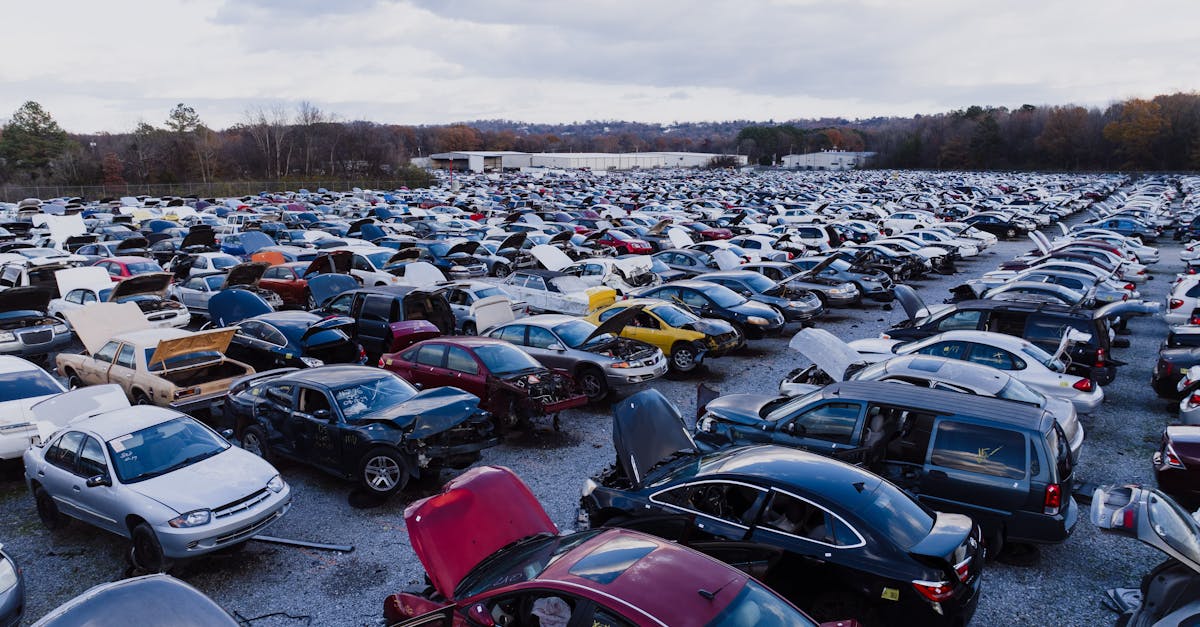
The market for recycled auto parts is evolving quickly, driven by demand, supply dynamics, and environmental priorities. Houston readers can expect a blend of price-conscious buyers, aging vehicle fleets, and a growing emphasis on sustainability that influences how yards operate and how customers shop.
Rising demand for recycled parts
A broad demographic of buyers increasingly seeks cost-effective, recycled parts as vehicles age. For budget-conscious families and fleets, recycled parts offer meaningful savings without sacrificing reliability. Yard inventories are expanding in response to this demand, with some yards specializing in popular makes and models to speed up sourcing for common repair needs.
Supply chain and availability dynamics
Global disruption has reshaped the availability of certain parts. Yards adapt by stocking broader cross-reference options, maintaining tight part-number records, and shifting toward a robust core program to ensure steady supply for customers. This means price and availability can fluctuate with model popularity and supplier access, so flexible alternatives and timely purchases matter more than ever.
Environmentally responsible disposal
Environmental stewardship remains a top priority. Regulations around hazardous waste, electronics recycling, and metal recovery influence yard practices and certification. A growing share of yards highlight their partnerships with certified recyclers and emphasize safe handling of fluids, batteries, and electronic components. Choosing an eco-minded yard not only supports sustainability but also aligns with responsible consumer behavior.
Regional Listings, Directions, and Local Resources
Houston’s vast metro area includes neighborhoods and business corridors where yards cluster near major routes like the I-10 corridor, Sam Houston Tollway, and I-45. Dynamic listings can help you locate nearby yards, compare hours, and plan efficient routes for pickup or part hunting. If you’re new to the area, start with a region-focused search and then expand outward to neighboring towns for the best options.
Houston metro region spotlight
Identify yards by region to minimize drive times. Focus on hot zones along major arteries and near commercial districts where dismantling activity is concentrated. For each yard, note the distance, typical hours, and whether free pickup is offered. Maintain a simple scorecard to compare estimated time, price, and credibility signals across several candidates.
Directions, contact information, and current hours
Before you visit, confirm directions and current hours through a quick call or text. Hours can shift seasonally or due to demand, so document the day you plan to go and verify any appointment requirements. Keep a contact record for the yard you choose, including phone, email, and any on-site coordinator contact details if applicable.
Local resources to assist with the sale
Beyond yards, local auto repair shops, fleets, and municipal programs can offer guidance on the best yards in your area, the typical prices you should expect, and the paperwork needed for transfer. If you’re juggling ownership transfer, these resources can help you coordinate with the yard and the DMV to ensure a smooth, compliant transaction.
Safety, Legal Compliance, and Eco-Friendly Practices
Safety and compliance aren’t afterthoughts at a good junk yard. They’re foundational to a hassle-free experience and a healthier environment for your community. From personal protective gear to proper waste handling, these practices protect you and the people around you.
Safety guidelines for visitors
When you visit, wear appropriate PPE as needed—gloves, closed-toe shoes, and eye protection are common-sense choices. Follow yard rules for handling components, using lifting equipment, and navigating oily or slippery surfaces. Keep children and pets away from dismantling areas to prevent injuries and interference with operations. If something feels unsafe, pause and ask for guidance from yard staff.
Legal compliance and hazardous waste management
Yards must comply with local and state regulations on hazardous waste, fluid containment, and battery recycling. Ask about their process for fluid drainage, battery handling, and fuel management, and request documentation or certificates when available. Responsible disposal protects water quality and reduces community risk—a sign of a well-run operation.
Eco-friendly practices and responsible dismantling
A forward-thinking yard segregates metals, recovers fluids for proper treatment, and routes electronics to certified recyclers. Look for evidence of eco-friendly disposal, such as waste-stream documentation, recycling partnerships, and a public commitment to reducing the environmental footprint of dismantling activities. These practices matter not just for compliance, but for the long-term sustainability of automotive repair and parts reuse in the Houston region.
Ready to turn your unwanted vehicle into quick cash? Kelly Car Buyer, Inc makes it easy to sell almost any type of vehicle—including cars, junk cars, trucks, semi-tractors, and trailers—regardless of condition. Don’t wait to get the best offer—click now to discover how simple and hassle-free selling your vehicle can be, and enjoy fast, top-dollar payouts today!