





Introduction: Salvage yards in the modern car market
They’re not just places to scrap old vehicles for parts; they’re marketplaces where a wide range of buyers—flip-and-recommerce investors, DIY mechanics, and everyday Houston-area drivers—can find real value, as explained in car in junk yard: a comprehensive guide to finding, evaluating, and purchasing salvage vehicles.
Each channel has its own rhythm, fee structure, and risk profile, so you’ll want clarity before you commit—the ultimate guide to salvage yards for cars: buying, inspecting, and saving provides deeper context.
While this guide focuses on Houston, you can also explore used auto parts in chicago to compare pricing and availability across markets.
Comparison Criteria
Title status and transfer ease
Salvage-related purchases must be weighed against how easily you can transfer title and register the vehicle in Texas. Some vehicles enter the market with a SALVAGE title, which indicates a declared total loss by an insurer. Others may be sold with a REBUILT/SALVAGE-REBUILT designation after inspection. The transfer rules, required inspections, and timelines vary by state, so verify the exact process before you bid or buy. In Texas, for example, you typically start with a salvage title and, after repairs, obtain a rebuilt title through a state inspection. This can affect financing, insurance, and resale value later on.
Estimated repair costs vs. purchase price
One of the core calculations is whether the anticipated repair bill plus the purchase price still yields a reasonable total investment. A salvage vehicle might look inexpensive at first glance, but a high repair cost or extensive structural work can erase the financial upside. Build a conservative estimate for critical components (engine, transmission, brakes, suspension, electrical) and factor in the cost of reconditioning and parts that may be hard to source in the Houston market.
Mechanical condition and drivability
Drivability matters more than cosmetic appeal in salvage purchases. A vehicle that starts reliably, shifts smoothly, and steers true is worth more than one that only looks presentable. Assess whether the engine and transmission require major overhaul, and consider the long-term reliability implications of any replacements or rebuilds you’d undertake.
History transparency and available reports
Vehicle history reports, recall statuses, and VIN checks should be non-negotiable. Look for consistent records across multiple sources and ask the seller for any service or repair receipts. A missing or inconsistent history trail is a major red flag that warrants closer scrutiny or walking away.
Total cost of ownership
Beyond the sticker price, consider taxes, fees, transport, storage, insurance, maintenance, and potential depreciation. Some salvage purchases pass a lower initial price but incur higher insurance premiums or storage costs, so the real cost of ownership may be higher than you expect.
Warranty or post-purchase support availability
Most salvage vehicles are sold as-is, but some yards offer limited warranties, or third-party coverage with caveats. Understand what, if any, warranty applies, what it covers, and how claims are handled. Warranty eligibility often hinges on title type and specifics of the repairs performed.
Salvage titles vs rebuilt titles: What they mean and why they matter
Salvage Title
Title status and transfer ease
A salvage title marks a vehicle as a total loss in the eyes of the insurer. This designation can complicate financing and resale, and it generally requires an inspection or verification before you can obtain a standard Texas title. If you’re buying for a quick fix-and-sell, the salvage label can be a strategic hurdle to overcome later, so plan for a longer ownership cycle or a method to legally rebrand the title after repairs.
Estimated repair costs vs purchase price
With a salvage title, you must weigh the costs of repairs against the potential return. If the repair bill propels the total investment well beyond market value for a comparable rebuilt vehicle, the deal may be a misfire. In many cases, salvage buyers target lighter repairs or donor-vehicle builds where parts are readily sourced and affordable.
Mechanical condition and drivability
Salvage-tagged vehicles often carry hidden mechanical issues. The engine, transmission, and electronics may have sustained damage that isn’t obvious at first glance. A conservative approach here is essential: expect a higher probability of mechanical risk and budget accordingly for thorough inspection and testing.
History transparency and available reports
Look for complete history records, including prior owners, accident reports, and any flood or fire indicators. Cross-check VINs on parts with the vehicle’s VIN to guard against title tampering or mismatched components. Thorough documentation reduces post-purchase surprises.
Total cost of ownership
Salvage-title ownership can involve higher insurance costs and more frequent maintenance. Add in potential re-titling costs and any required inspections after repairs. A clear financial plan helps you avoid overinvesting in a salvage-nameplate vehicle.
Warranty or post-purchase support availability
Salvage vehicles may come with limited or no warranty. If a seller offers a warranty, read the terms carefully. A robust post-purchase plan—possibly through a third-party provider—can provide essential protection, especially for drivetrain components.
Rebuilt Title
Title status and transfer ease
A rebuilt title indicates a vehicle that has passed a state inspection after being repaired from a salvage event. In Texas, this designation typically enables standard registration and insurance but may still trigger higher premiums or limited financing options compared with clean-title cars. Expect stricter documentation and potential scrutiny during the transfer process.
Estimated repair costs vs purchase price
With a rebuilt title, the repairs have already occurred and passed an inspection, which can reduce uncertainty about the vehicle’s condition. However, you should verify the scope and quality of repairs, the parts used, and whether any major systems (engine, frame, suspension) were rebuilt or replaced. A well-documented rebuild can offer good value, but incomplete records undermine confidence.
Mechanical condition and drivability
A rebuilt vehicle should offer a solid driving experience if the rebuild was done correctly. Take a test drive and consider a third-party inspection focusing on drivetrain, suspension, and electronic systems to confirm that the vehicle performs as advertised.
History transparency and available reports
Transparency is typically stronger with rebuilt titles because the rebuild process requires documentation. Still, verify all repair invoices, parts used, and any recalls addressed in the rebuild to ensure there are no outstanding issues.
Total cost of ownership
Rebuilt-title ownership often comes with more favorable financing or insurance terms than salvage titles, but not as favorable as a clean title. Evaluate the total cost across purchase price, insurance, maintenance, and any potential depreciation in your intended market.
Warranty or post-purchase support availability
Rebuilt vehicles may qualify for limited warranties or third-party coverage, but terms can be strict. Confirm coverage specifics, including what is excluded and where service is available, to know what post-purchase protection you’re actually getting.
How salvage vehicles are bought today: Online auctions and yards in 2026
Comparison Criteria
Title status and transfer ease
Online salvage auctions often sell with salvage titles or rebuilt titles; understand how the platform handles title transfers, seller disclosures, and DMV-ready documentation. If you’re in Houston, confirm Texas-required paperwork and potential inspection steps before you bid.
Estimated repair costs vs purchase price
When you bid online, you should build a repair-cost estimate into your maximum bid. Use platform-provided vehicle data, but also factor in potential shipping or transport costs if the vehicle is not local. Reserve a portion of your budget for unexpected repairs discovered after inspection.
Mechanical condition and drivability
Online listings may rely on photos and limited diagnostics. Plan for a professional inspection or at least a detailed mechanical review before finalizing purchase. If you’re buying from out of state, budget for a trusted inspection either remotely with a live mechanic or via a local shop.
History transparency and available reports
Leverage multiple history sources (Carfax, AutoCheck, and recall databases) and look for consistent data. Cross-check with the seller’s documentation, VIN stamps on parts, and any repair receipts to detect discrepancies early.
Total cost of ownership
Factor in platform fees, buyer premiums, transport, storage, and potential import or import-vehicle taxes. Don’t forget insurance premiums that sometimes rise for salvage or rebuilt titles, especially in the Houston climate where seasonal risks exist.
Warranty or post-purchase support availability
Online sales often come AS-IS, but some platforms offer limited warranties or third-party coverage. Read the terms carefully and understand claim processes, coverage limits, and ease of service.
Inspection essentials: A practical pre-purchase checklist for salvage cars
Comparison Criteria
Title status and transfer ease
Before you inspect, confirm whether the vehicle currently carries a salvage or rebuilt title and what this means for your ability to register in Texas. If the title status is unclear, request documentation or a VIN check to verify the exact designation.
Estimated repair costs vs purchase price
Use the inspection to validate or challenge your repair-cost estimates. Note any hidden damage (frame, structural components, or water intrusion) that could escalate costs beyond initial expectations.
Mechanical condition and drivability
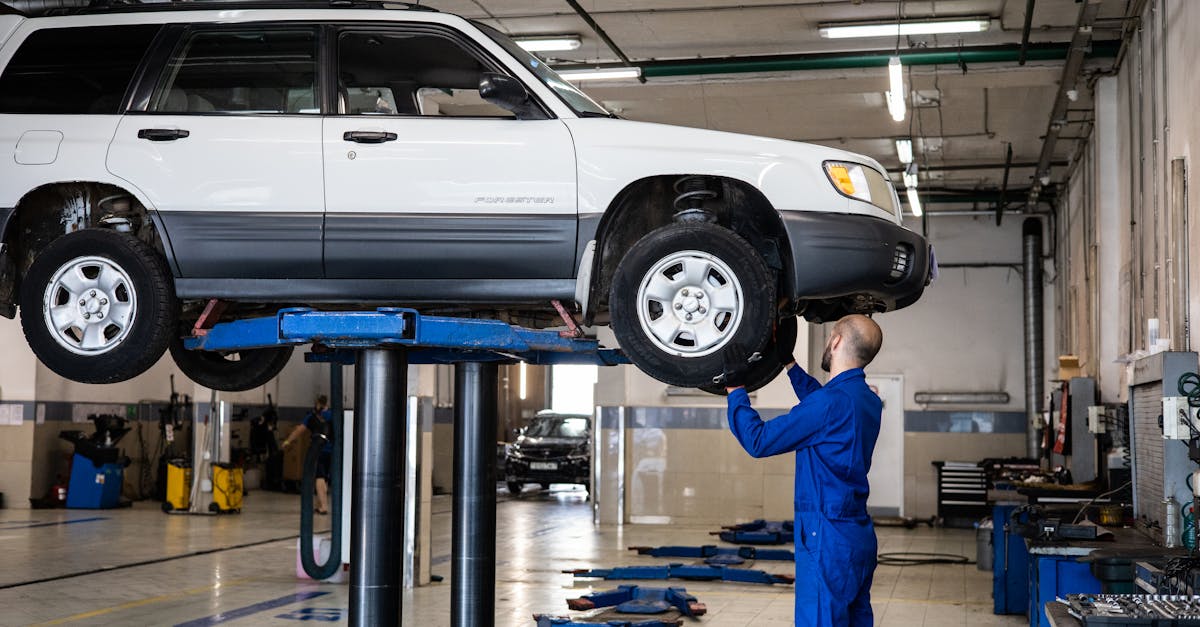
Check the engine, transmission, steering, brakes, and suspension. Load-test electrical components, lights, windows, and HVAC. If you can’t evaluate everything in person, arrange a third-party inspection, which can cost around a few hundred dollars depending on coverage and location.
History transparency and available reports
Match the vehicle’s condition against its history. Look for discrepancies between what the seller states and what the reports show, and verify the VINs on major components (engine, transmission, doors) to ensure there’s no title tampering.
Total cost of ownership
Document your anticipated costs for fluids, tires, brakes, belts, and potential reconditioning. Budget for alignment checks, electrical diagnostics, and any specialized tools you may need for Houston-area road conditions.
Warranty or post-purchase support availability
If the vehicle includes any warranty, read coverage limits and service networks. If not, assess whether a third-party warranty is worth it given the vehicle’s likely risk profile and your planned use.
Using vehicle history reports and recall checks to verify what you’re buying
Comparison Criteria
Title status and transfer ease
Cross-check title history across Carfax, AutoCheck, and the state databases to ensure consistency. Look for any notes about salvage, flood, or theft indicators that could affect transfer and future registration.
Estimated repair costs vs purchase price
History data helps you calibrate repair expectations. A vehicle with a clean recall history but a long list of past repairs may present a different risk profile than one with a simplified history. Use the data to validate or adjust your price ceiling.
Mechanical condition and drivability
Recall checks identify safety-critical systems that may require attention. Address any active recalls before driving or storing the vehicle, and verify that the recalls have been properly remedied.
History transparency and available reports
Rely on at least two independent sources to triangulate the vehicle’s past. Inconsistent odometer readings or mismatched service records are warning signs that merit a deeper dive or a walk-away decision.
Total cost of ownership
Recall-related fixes are typically covered under manufacturer programs, but only if the repair is processed correctly under the right title. Ensure you understand whether recall work is already completed or pending, and whether it affects your budgeting.
Warranty or post-purchase support availability
Recall history often shapes warranty eligibility. If a recall remains open, you may need to address it before or during any warranty claims. Verify whether the seller will assist with recall-related work or provide documentation showing recalls have been resolved.
Cost considerations: Hidden fees, reconditioning, and the real price you’ll pay
Comparison Criteria
Title status and transfer ease
Some fees are tied to the title process—salvage- or rebuilt-title transfers may incur inspection or documentation costs. In Texas, anticipate steps to convert a salvage to a rebuilt title, which could involve inspection fees and administrative processing times.
Estimated repair costs vs purchase price
Reconditioning estimates should include parts, labor, and potential SME (specialized equipment) charges. Build a cushion for parts that are scarce in the Houston market or require expedited shipping from out-of-state suppliers.
Mechanical condition and drivability
Hidden issues discovered during reconditioning (like a collapsed cooling system or a compromised frame) can dramatically inflate costs. Ensure you have a realistic plan for addressing these issues or adjust your expectations accordingly.
History transparency and available reports
Transactions with incomplete or inconsistent history increase risk. If the seller cannot produce coherent documentation, treat it as a major warning sign about potential hidden costs.
Total cost of ownership
Taxes, titles, registration, insurance, and storage add up. In Houston, consider climate-related maintenance (cooling systems, humidity-related electronics) that can influence ongoing ownership costs.
Warranty or post-purchase support availability
Any warranty reduces risk, but confirm what’s covered after reconditioning, and whether coverage hinges on the original title designation. If a warranty exists, know where service is available and what the claim process looks like.
Financing salvage purchases: Options, terms, and what to expect in 2026

Comparison Criteria
Title status and transfer ease
Financing salvage or rebuilt vehicles can be more challenging. Some traditional lenders exclude salvage titles or impose higher interest rates and stricter terms. Credit unions and specialized subprime lenders may offer more favorable options, but expect more documentation and verification requirements.
Estimated repair costs vs purchase price
Lenders want to see a clear path to recovery of value. A robust repair plan with cost estimates helps secure financing and can improve loan-to-value ratios, especially for rebuilt-title vehicles with documented inspections.
Mechanical condition and drivability
Expected reliability affects the loan’s risk. A vehicle with potential mechanical red flags may carry higher rates or require a larger down payment.
History transparency and available reports
Lenders will scrutinize history reports and receipts. Thorough documentation helps them feel confident about the vehicle’s value and reduces the perceived risk of default.
Total cost of ownership
Financing adds interest and escrows; factor these into your monthly budget. A lower purchase price on a salvage or rebuilt vehicle can still lead to higher total cost over the loan’s term due to interest accrual.
Warranty or post-purchase support availability
Some financing packages pair with optional warranties or service plans. If you anticipate potential repairs, a warranty-backed option can be worth the added cost, provided coverage and service networks are clear.
Warranties, guarantees, and post-purchase protections on salvage purchases
Comparison Criteria
Title status and transfer ease
Warranties may be limited or null on salvage-title vehicles. The title type can influence whether a warranty is offered at all and, if offered, what exceptions apply. Expect more limitations on coverage for SALVAGE and REBUILT titles.
Estimated repair costs vs purchase price
A warranty’s value hinges on the likelihood of covered failures. If a repair is likely to exceed the warranty’s cap or if covered items are rare, the warranty may offer limited value.
Mechanical condition and drivability
Warranties can provide peace of mind for critical systems, but verify the terms and limits. Some warranties exclude pre-existing conditions or non-covered components, so read the fine print carefully.
History transparency and available reports
Warranties can be voided if the seller withholds relevant history or if the vehicle has undisclosed damage. Full disclosure increases your chances of an effective warranty claim.
Total cost of ownership
Factor warranty costs into total ownership, including monthly premiums, deductibles, and claim procedures. Compare the warranty price to the expected out-of-pocket costs without coverage.
Warranty or post-purchase support availability
Clarify network coverage, service locations, and the process for submitting claims. A robust national or regional network plus straightforward claim handling is a real advantage when buying salvage.
Registration, title transfer, and insurance: Getting on the road legally
Comparison Criteria
Title status and transfer ease
To drive legally in Texas, you’ll need to complete the title transfer and any required inspections for salvage or rebuilt designs. The exact steps and timing vary by county, but you should anticipate an official inspection to verify the vehicle’s condition and proper branding before registration.
Estimated repair costs vs purchase price
Registration fees may be influenced by the vehicle’s title type. Ensure you understand any re-titling fees, inspection costs, and potential exemptions or surcharges that could apply to salvage or rebuilt titles.
Mechanical condition and drivability
Insurance considerations hinge on title type and vehicle condition. A salvage-rebuilt vehicle may incur higher premiums or require additional documentation for full coverage. Speak with multiple agents to compare policy options and premiums.
History transparency and available reports
During registration, some jurisdictions verify history data. Having consistent records helps prevent delays at the DMV and reduces the risk of latent issues during the registration process.
Total cost of ownership
Beyond registration, plan for annual insurance premiums, taxes, and potential HOA or local fees if you’re parking in a specific area. A precise budget helps you avoid sticker shock after purchase.
Warranty or post-purchase support availability
Some insurance products align with certain warranties or service contracts. Confirm whether your coverage interacts with the vehicle’s title status and what obligations exist should you need to file a claim.
Risk mitigation: Red flags, due-diligence practices, and practical safeguards
Comparison Criteria
Title status and transfer ease
Red flags include inconsistent VINs between the title and major components, undisclosed flood or flood-related corrosion, or a title history showing sudden ownership gaps. If you detect these, pause and pursue a deeper audit of the vehicle’s background.
Estimated repair costs vs purchase price
Red flags for cost overruns include signs of frame damage, extensive water damage, or prior major repairs without receipts. These issues often mask long-term reliability problems and escalate reconditioning costs beyond initial estimates.
Mechanical condition and drivability
Observing abnormal noises, poor compression, misfires, or transmission slippage can indicate costly repairs ahead. When in doubt, bring in a qualified mechanic to assess critical systems before signing.
History transparency and available reports
Discrepancies across Carfax, AutoCheck, and state records should prompt additional vetting. Request original repair invoices, recall letters, and any service receipts to verify what happened and what was fixed.
Total cost of ownership
Hidden costs—such as interior remediation, rust repair, or climate-related components (cooling, seals) in Houston—can erode potential savings. Build a worst-case scenario into your plan to avoid surprises after purchase.
Warranty or post-purchase support availability
Absent or limited warranties heighten the importance of due diligence. If a warranty is offered, confirm its coverage map, exclusions, and the service network’s reach before committing.
Post-purchase repairs: Common failures, typical costs, and decision points
Comparison Criteria
Title status and transfer ease
Post-purchase decisions should account for potential rebranding or title-related work. If the title status changed post-repair, confirm that all paperwork is complete and properly filed to prevent registration problems later.
Estimated repair costs vs purchase price
Common salvage repairs (transmission, suspension, electrical, cooling, frame straightening) each carry cost ranges. Have a clear plan for whether you’ll repair, flip, or walk away based on your total investment and local market demand.
Mechanical condition and drivability
Expect that some issues may emerge after initial repairs. Create a maintenance calendar and budget that accounts for ongoing reliability improvements and potential component replacements that could arise in the first year of ownership.
History transparency and available reports
Keep all records organized as you proceed with repairs. Comprehensive documentation supports future resale value and makes ownership smoother if you need to reassess the vehicle’s viability.
Total cost of ownership
Maintenance, tires, fluids, and potential warranty renewals contribute to ongoing costs. Estimating these ahead helps you decide whether the vehicle remains financially viable in the medium term.
Warranty or post-purchase support availability
If you have a warranty, confirm repair availability, parts sources, and claim processes for post-purchase repairs. A solid warranty can be a valuable safety net when repairs are unavoidable.
Market trends and the 2026 outlook for salvage vehicles
Market dynamics in 2026 continue to tilt toward online channels, broader access to salvage inventories, and improved consumer education. Online salvage auctions remain a dominant force, with platforms expanding seller access and buyer tools—enabling more transparent condition disclosures, bid histories, and post-sale support options. In addition, vehicle history reporting has become more granular, with insurers and manufacturers collaborating to deliver richer data around recalls, title brands, and service histories.
Demand for salvage and rebuilt vehicles remains robust in certain segments—enthusiast builds, DIY refurbishments, and budget-conscious buyers seeking affordable transportation. However, the risk landscape has evolved. Higher parts costs, supply-chain delays for specialized components, and increased scrutiny on title transfer and recall status all shape pricing and risk tolerance. Consumers should monitor recall dynamics, regulatory changes to title branding, and potential shifts in insurance pricing tied to title type and vehicle condition.
“A disciplined due-diligence workflow—combining inspection, history checks, and independent expert review—remains the most effective way to navigate salvage purchases in any market climate.”
Practical takeaways for 2026 buyers in the Houston area: start with a robust inspection plan that includes a third-party check if you’re unsure about mechanical condition; use multiple history sources and verify recalls; budget for all costs beyond the purchase price; and confirm title-transfer steps and insurance implications before committing. By staying informed and methodical, you can unlock solid value from salvage yards while avoiding common pitfalls.
Ready to turn your unwanted vehicle into quick cash? Kelly Car Buyer, Inc makes it easy to sell almost any type of vehicle—including cars, junk cars, trucks, semi-tractors, and trailers—regardless of condition. Don’t wait to get the best offer—click now to discover how simple and hassle-free selling your vehicle can be, and enjoy fast, top-dollar payouts today!