





Introduction
As electric vehicles (EVs) become more common and home charging infrastructure matures, more households are turning their driveways and garages into complete car-care hubs, and a broader understanding of vehicle ownership can be found at car & cars: the ultimate guide to understanding, maintaining, and choosing your vehicle.
The content blends practical how-tos with current industry trends—EV charging standards, energy management, vehicle-to-grid concepts, and sustainable practices—so you can make informed decisions that fit your home, budget, and lifestyle, as detailed in car s: a comprehensive guide to modern cars, trends, and buying tips.
How to use this guide: treat each major section as a compact, action-oriented playbook. Use the included checklists for monthly, quarterly, and annual routines, and refer to the referenced sources for the latest standards and best practices. Where applicable, you’ll see expert insights and real-world scenarios to help you apply concepts safely and effectively in your own garage.
Garage Setup & Space Optimization
The goal is to create a safe, efficient space that keeps tools accessible, vehicles protected, and potential hazards minimized—whether you’re shopping for a Phoenix used car or maintaining an EV charging setup, azcarcentral phoenix used cars used provides options.
Plan the layout
Begin with a clear zoning strategy: designate an exact parking area for each vehicle, a dedicated space for the charging setup (if you own an EV), and a workshop or tool station that won’t block walkways. Consider easy access to drains for potential spills and a traffic flow that minimizes back-and-forth through the work area. Elevate safety by keeping a clear path to exits and ensuring lighting covers both the vehicle bay and the work zones.
Lighting and ventilation are often overlooked in home garages. Bright, shadow-free lighting reduces accidents when lifting heavy components, and proper ventilation helps disperse fumes during maintenance tasks. If you work with solvents, cleaners, or paints, a small down-draft exhaust or a portable fan can dramatically improve air quality and respiratory safety.
Storage solutions
Storage should keep floors clear and tools organized. Install wall-mounted racks for tires and rims, tall tool cabinets for handhelds, and ceiling hooks for seasonal items like car covers or windlasses. Modular, stackable shelving keeps parts accessible yet out of the way. Label bins and use clear containers so you can quickly locate hardware without creating clutter.
In a practical sense, a pegboard or magnetic strip where you hang frequently used wrenches, screwdrivers, and pliers saves time and prevents misplacement. A compact workbench with a corkboard or whiteboard helps you track maintenance tasks, parts orders, and inspection notes for each vehicle.
Accessibility & safety
Non-slip flooring is worth the investment, especially in humid Texas summers where moisture and oil can create slick surfaces. Place a fire extinguisher within easy reach of the work area, and ensure you have a first-aid kit stocked for common injuries. Keep clear walkways at least 36 inches wide to allow safe movement around vehicles and equipment.
Invest in proper jacks, ramps, and stands that meet or exceed safety standards, and never crawl under a vehicle supported only by a mechanical jack. Use jack stands or a platform if you’re performing extended work beneath the vehicle. Finally, integrate a simple oil drain system or containment tray to minimize spills and simplify cleanup.
At-Home Maintenance Essentials
Maintenance at home blends basic diagnostics with routine servicing and selective DIY tasks. The key is to build a simple, repeatable cadence: quick checks before and after driving, seasonal servicing, and targeted DIY tasks that don’t require specialized shop equipment. With EVs on the rise, you’ll also need to monitor battery health and cooling, as well as conventional drivetrain fluids.
Basic diagnostics
Modern vehicles offer a wealth of data through OBD-II adapters that connect to your smartphone. A basic setup can monitor engine codes, battery health, charging status, and emissions readiness. Look for reputable OBD-II apps that provide real-time live data, fault code lookup, and reset capabilities only when appropriate. If you see persistent fault codes, consult a professional rather than guessing at fixes.
For EVs, pay attention to battery temperature, state of charge, and cooling system performance. Temperature spikes can indicate cooling issues or charging inefficiencies that impact range and longevity. A quick glance at the vehicle’s battery health report—often accessible via the vehicle’s own app in addition to an OBD tool—can reveal early signs of degradation.
Routine servicing
Foundational tasks include tire pressure checks, fluid level inspections (engine oil, coolant, brake fluid, windshield washer), and brake wear assessment. Rotate tires on a schedule that suits your driving patterns, and monitor tread depth. For EVs, inspect the cooling system and battery-pack temperature management, as elevated temperatures can affect performance and longevity. Brake components in EVs (regenerative braking) still require occasional inspection for rotor wear and pad condition.
DIY-friendly maintenance such as air-filter replacement, cabin air filter changes, and windshield wiper replacement can typically be performed at home with basic tools and follow-the-manual instructions. When in doubt, consult the manufacturer’s maintenance schedule, and don’t attempt tasks that require specialized equipment or a high risk of damaging critical systems.
DIY tasks with cautions
Simple tasks—like replacing cabin air filters, changing engine oil (where applicable), and replacing small components (fuses, bulbs)—are commonly within reach for a capable DIYer. Always consult the owner’s manual for torque specs and service intervals. If the procedure involves the drivetrain, cooling system, airbag modules, or high-voltage systems (typical in EVs), consider professional service or hybrid training before attempting it yourself.
When you perform any DIY task, prepare a clear plan, isolate the battery or power source when required, and use proper PPE. Keep a spill kit handy for leaks and a fire-safe surface for flammable fluids. Document changes and date them so you can track the vehicle’s maintenance history over time.
Cleaning, Detailing, and Protection
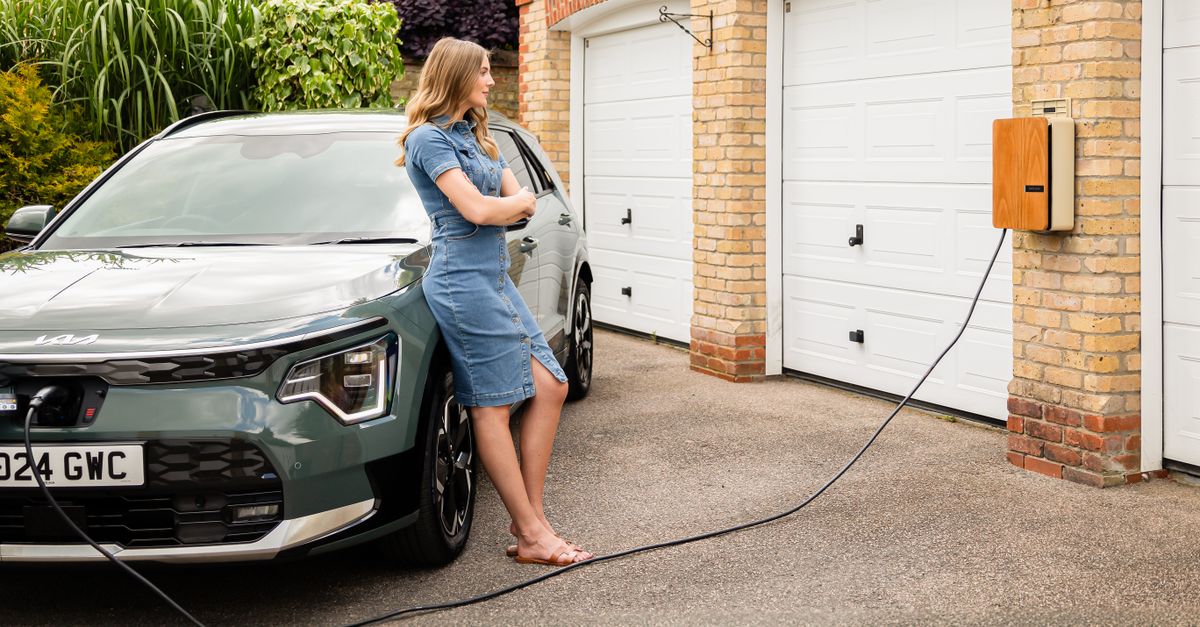
Regular cleaning preserves paint, protects interiors, and preserves resale value. A thoughtful detailing routine reduces long-term wear and helps maintain a healthier cabin environment. The aim is effective cleaning with water-saving methods, pH-balanced products, and protective finishes that stand up to climate conditions—particularly in Houston’s heat and humidity.
Exterior care
Safe exterior cleaning starts with pre-rinse to loosen dirt, followed by a two-bucket wash method using a pH-balanced car wash soap. Dry using a microfiber towel or a soft, clean chamois to reduce swirl marks. Consider a water-saving rinse method (such as a no-rinse wash or spray-on rinse) when water use is a concern, and always avoid harsh solvents near trim or rubber seals.
Protection matters: sealants, waxes, or ceramic coatings create a protective layer against UV damage, road grime, and moisture. For wheels and brake components, use wheel-specific cleaners and brush tools to avoid harming finish. Periodically inspect paint for chips and address them promptly to prevent corrosion.
Interior care
Vacuuming combined with UV-protective products helps preserve fabric, leather, and plastics. For fabric interiors, consider a stain remover compatible with your fabric; for leather, use a conditioner to prevent cracking. Odor control is often overlooked but can improve the cabin experience; a charcoal-based deodorizer or ozone-safe cleaning approach can help with persistent smells after storage.
UV exposure is a primary driver of interior fading. Use sun shades and park in shaded areas when possible. If your vehicle has a leather interior, treat it with a high-quality conditioner to maintain suppleness and appearance. Regularly inspect floor mats and carpets for moisture, especially in humid climates.
Security, Insurance, and Safety
Security and safety go hand in hand with home car ownership. A combination of physical barriers, monitoring technology, appropriate insurance coverage, and basic safety practices can dramatically reduce risk and improve peace of mind when cars sit idle or are actively in use.
Security measures
Fundamental protections include alarms, immobilizers, dash cams, GPS trackers, and smart camera systems. A dash cam provides evidence in case of incidents, while GPS tracking can deter theft and simplify recovery. Consider a solar-powered or battery-backed camera system for continuous monitoring in outdoor areas, especially if you store vehicles in open or semi-enclosed spaces.
For evasion of tampering, ensure wiring and chargers are locked and shielded, and that charging cords are secured after use. A trusted lock system for charging ports and a controlled access plan for your garage can further reduce risk.
Insurance considerations
EV-specific coverage, telematics programs, and discounts tied to secure charging setups are increasingly common. Work with your insurer to understand how your usage patterns, charging habits, and garage setup affect premiums. Telemetry-based discounts may apply if you install monitored charging or secure garage devices. Always review liability, comprehensive, and collision coverage as well as any specialty coverage for restoration, if you own classic or project cars.
In Texas and other states, you may need to declare stored vehicles and provide title information when selling or transferring ownership. Keep records of ownership, maintenance, and any modifications to support claims and transfers.
Safety essentials
Beyond the basics, keep a fully stocked first-aid kit, a spill kit for fluids, and a portable fire extinguisher rated for automotive use. Maintain clear access to exits, store flammable materials away from heat sources, and follow safe lifting practices when using jacks or ramps. If you work with high-voltage systems, ensure you have appropriate training and follow lockout/tagout procedures when necessary.
Smart Home Integration
Smart home ecosystems can turn vehicle charging, energy management, and vehicle data into seamless, automated routines. The goal is a connected environment where your home and cars cooperate to improve convenience, efficiency, and safety while protecting privacy.
Integrating charging and vehicle data with smart home ecosystems
Many home automations now support major platforms like Apple HomeKit, Google Home, and Matter-certified devices. Integrate charging schedules with your home energy plan so charging occurs during off-peak periods or when solar production is high. Vehicle data, such as state of charge and charging status, can trigger routines (e.g., pre-heat cabin before arrival or adjust thermostat settings).
When setting up integrations, prioritize device compatibility and vendor reliability. Use strong, unique credentials for each device and enable two-factor authentication where possible. Regularly review connected devices and permissions to prevent creeping access to your network.
Energy management
Automation can optimize charging based on grid demand, solar generation, and home battery storage. Consider a smart charger that communicates with your home energy management system to automatically charge during off-peak times or when surplus solar energy is available. If you have a home battery system, you can use vehicle-to-home or grid services to smooth energy use and protect against outages.
Smart energy workflows help you minimize carbon footprint and energy cost. For example, a routine might prioritize EV charging after sunset when grid demand is lower, while daytime solar production supports other household loads. Track your energy usage with a clear dashboard so you can adjust strategies as your needs evolve.
Data privacy & security
Vehicle and charging data can reveal patterns about your daily routines. Harden your network by updating firmware, choosing strong passwords, and using segmented networks for IoT devices. Review privacy policies from manufacturers and service providers to understand data collection, retention, and sharing practices. Consider limiting data sharing where possible and enabling on-device processing to reduce cloud data transfers.
EV Charging at Home: Trends and Best Practices

Home charging remains central to convenient EV ownership. The shift toward Level 2 (240V) charging brings faster replenishment, greater home compatibility, and more predictable charging behavior. Advances in home energy management and grid-friendly practices are shaping how households charge, store, and use electricity in daily life.
Choosing a Level 2 charger
A typical Level 2 charger delivers 16–32 amps at 240V, enabling a full recharge overnight for most daily drivers. When selecting a charger, consider installation requirements, circuit load, and potential future vehicle needs. A professional assessment of your electrical panel and load calculation is essential to avoid overloading circuits and to ensure a safe, scalable setup.
Installations must comply with local codes and the SAE J1772 standard for plug-in charging. In areas with extreme heat or humidity, look for chargers with robust weather sealing and thermal management.
Vehicle-to-Grid (V2G) basics and pilots
Vehicle-to-Grid (V2G) technology enables EVs to feed energy back to the home or grid during peak periods. While still evolving, pilot programs in several regions demonstrate how V2G can support resilience and revenue generation, especially when paired with home storage and smart load management. Expect evolving equipment interfaces, standards, and pricing models as pilots broaden.
If you’re considering V2G, evaluate warranty terms, battery degradation considerations, and the compatibility of your vehicle’s battery chemistry with bidirectional charging. Begin with small, controlled experiments and monitor battery health and performance data closely.
Sustainable energy: solar and storage pairing
Pairing solar generation with EV charging and a home battery system can dramatically reduce grid dependence and energy costs. Solar + storage enables daytime charging from solar when sun is available, while the battery can supply power during peak usage or outages. In Houston and similar markets, aligning solar production with driving needs helps maximize return on investment and resilience.
When evaluating solar + storage, consider system sizing (panel capacity, inverter rating, and battery storage), local incentives, and long-term maintenance. A well-designed system coordinates charging with solar output and home energy needs, creating a more self-sufficient home energy ecosystem.
Checklists, Safety Guidelines, and Quick Start
Consistency is the secret to success for home car care. Use printable checklists to keep maintenance, cleaning, and safety routines organized. Short, actionable steps performed monthly, quarterly, and annually compound into better performance and lower risk over time.
Printable monthly and quarterly checklists
- Monthly: tire pressure, fluid levels, exterior wash, interior vacuum, battery health (for EVs), and charger inspection.
- Quarterly: brake components check, coolant/bra ke fluid levels, air filters, wiper blades, and seal inspections. Review charging equipment for wear or damage.
- Annual: comprehensive diagnostics, battery health assessment (EVs), lubrication changes where applicable, and a full safety audit (extinguisher, first-aid kit, spill kit).
Emergency steps
If charging equipment fails, unplug and power down safely, then switch to a backup charging plan if available. In case of fluid leaks, overheating, or strong odors, move to a safe area, ventilate, and call a professional if you cannot contain the issue. Keep a spare belt or necessary parts on hand for common issues and replace them following the manufacturer’s guidelines.
Maintain a clear emergency protocol: know where your shutoff switches are, how to access and use your fire extinguisher, and whom to contact for roadside assistance or towing if needed. Create a quick-reference card in your garage with critical steps for common scenarios.
New EV ownership tips
Battery conditioning matters: avoid exposing a fully charged battery to extreme heat or cold for extended periods. Develop a sensible charging routine that fits your daily driving patterns, and monitor battery health regularly via the vehicle’s app and any connected diagnostics you use at home. Schedule regular maintenance according to the manufacturer’s guidelines and keep records to track the vehicle’s lifecycle.
Start your home charging journey with a professional assessment, a properly sized Level 2 charger, and a secure, code-protected charging setup. As you gain experience, you’ll refine when and how you charge, how you manage energy use, and how you integrate EV charging into your smart home routine.
References & Further Reading
For safety, performance, and policy guidance, rely on neutral, reputable sources and manufacturer manuals. Key sources include federal and national organizations such as the U.S. Department of Energy (DOE), the Environmental Protection Agency (EPA), SAE International, the National Fire Protection Association (NFPA), the National Highway Traffic Safety Administration (NHTSA), and automotive organizations like AAA. These sources provide standards, testing methods, and best practices for safe vehicle ownership, charging, and energy management. When reviewing data and recommendations, note methodology, sample sizes, and any stated limitations to interpret results accurately.
“As the fleet of EVs grows, home charging and energy management become central to reliable, affordable transportation. The right charger, proper installation, and smart integration reduce costs and improve reliability while supporting grid resilience.”
Additional practical resources include manufacturer manuals (for charging standards like SAE J1772 and IEC 62196), OEM service documentation, and energy-management guides from DOE, EPA, and industry groups. Explore local regulations and guidance from Texas DMV for title transfers and documentation when selling or transferring ownership, and stay current with insurance offerings that cater to EVs and smart charging setups.
Ready to turn your unwanted vehicle into quick cash? Kelly Car Buyer, Inc makes it easy to sell almost any type of vehicle—including cars, junk cars, trucks, semi-tractors, and trailers—regardless of condition. Don’t wait to get the best offer—click now to discover how simple and hassle-free selling your vehicle can be, and enjoy fast, top-dollar payouts today!