





Introduction: Vehicle buying in 2026 — how the landscape has evolved, and for a comprehensive overview, consult buy in car: the ultimate buyer’s guide to purchasing your next vehicle.
As you plan a purchase, consult auto buying: the complete guide to smart car shopping, financing, and ownership to understand what this car will cost over the life of ownership.
Experts note that 2026 buyers are increasingly data-driven, and a new vehicle buying service can provide the clear visibility into price, financing terms, and the total ownership costs they rely on before committing.
New vs Used in 2026: deciding what fits your needs and budget
Deciding between a brand-new vehicle, a certified pre-owned (CPO) model, or a traditional used car comes down to a few core considerations: upfront cost, depreciation, warranty coverage, and the willingness to accept potential maintenance surprises. New cars typically arrive with the latest technology, strongest financing incentives, and a full warranty, but they depreciate the moment you drive off the lot. CPO models bridge the gap by offering extended warranties and refreshed technology at a reduced price point, while well-maintained used cars can deliver substantial savings but may carry higher maintenance risk if they’re out of warranty.
In 2026, depreciation is still a factor for most models, though supply stabilization has softened some of the dramatic price swings seen in the used market during recent years. For buyers who want the latest tech, safety upgrades, and the peace of mind that comes with factory-backed coverage, a new or CPO model is often worth the premium. For buyers who prioritize value and don’t mind a few miles, a carefully selected used car with a clean history can deliver excellent TCO when paired with a thorough vehicle inspection.
Key considerations include total cost of ownership, expected remaining life, and your tolerance for potential maintenance. If you drive more than the average mileage or plan to keep the car for a long period, a new or CPO vehicle may prove more economical in the long run due to warranty coverage and lower risk of surprise repairs. If you tend to trade or sell within a few years, a well-chosen used car can be the smarter financial move.
- Price: New vehicles carry the highest upfront cost, while used vehicles offer immediate cash savings but potentially higher maintenance expenses over time.
- Total_cost_of_ownership: Insurance, maintenance, fuel or charging, and depreciation drive TCO more than the sticker price alone.
- Reliability_and_safety: Newer models tend to come with the latest safety tech, but many late-model used cars are proven reliable and cost-effective.
- Warranty_and_maintenance: Factory warranties and CPO programs provide protection; extended plans can add security but at extra cost.
- Financing_and_lease_options: Interest rates, loan terms, and lease residuals vary by credit and model, impacting monthly costs over time.
- Incentives_and_regulatory_factors: Federal or state incentives, as well as charging infrastructure access, can affect the overall value proposition for EVs and other efficient models.
In practice, it often makes sense to compare a few concrete scenarios side by side: (1) a brand-new base model with standard warranty, (2) a lightly used 1-3 year old model with CPO coverage, and (3) a well-maintained used car with a clean title and a comprehensive pre-purchase inspection. Each path has different risk and reward profiles, and the right choice depends on your budget, driving habits, and risk tolerance.
Total Cost of Ownership (TCO) explained: more than the sticker price
TCO is the true measure of what owning a vehicle costs you over time, not just the purchase price. It encompasses depreciation, financing costs, insurance, maintenance, repairs, fuel or charging, taxes, and fees. When you compare two vehicles, a higher sticker price can still yield a lower TCO if it offers lower operating costs or longer warranty protection. Conversely, a bargain price can become expensive if it comes with steep maintenance bills or high insurance premiums.
For EVs, the TCO equation often improves with high daily usage, thanks to lower fueling costs and fewer routine maintenance needs, but you must factor charging habits, home electricity rates, and potential add-ons like home charging equipment. On a practical level, EVs may still require a higher upfront investment and battery replacement considerations, though long-term savings from electricity and reduced maintenance can be meaningful over the life of the vehicle. Gasoline-powered cars typically lean on lower upfront prices but can cost more over time if fuel and maintenance rise or if the vehicle experiences lift in repair needs.
Components to weigh when calculating TCO include depreciation, financing charges, insurance premiums, maintenance and repairs, fuel or charging costs, and applicable taxes and fees. Use a side-by-side TCO calculator to input your expected annual mileage, local electricity and gas prices, and insurance rates. This approach helps you quantify trade-offs and set a realistic budget.
“The best buyers quantify every dollar spent after the purchase, not just the sticker price. TCO is where real value lives.” — Automotive Finance Expert
Financing and leasing options in 2026: rates, terms, and incentives
Financing and leasing options in 2026 reflect a landscape where traditional loans, flexible lease programs, and EV-specific incentives coexist. Interest rates and loan terms depend heavily on your credit profile, lender policies, and the vehicle type. EVs often come with manufacturer promotions or lower-interest financing tied to broader electrification goals, while leases can offer lower monthly payments and the opportunity to upgrade every few years. However, leases carry mileage limits and potential end-of-lease charges if you exceed them or if the vehicle shows wear beyond normal use.
Regulatory incentives, where available, can influence the economics of both buying and leasing EVs. Federal or state programs may provide credits or rebates, and some automakers offer introductory rates or loyalty incentives to returning customers. When evaluating lease vs buy, consider residual value, mileage expectations, maintenance coverage, and the total monthly outlay over the term. If you expect rapid technology changes or plan to swap to a different model in a few years, leasing can be a prudent way to manage risk and access newer features sooner.
Practical tips for 2026 decisions:
- Shop for pre-approved financing before visiting a dealership to anchor negotiations with transparent terms.
- Compare total monthly costs, not just monthly payments; include insurance, maintenance, and charging costs for EVs.
- Evaluate residual values and mileage allowances carefully when considering a lease; a buyer’s guide can help you estimate true costs.
Dealer promotions, shopping tools, and digital buying: getting a fair deal

Digital buying tools and dealer promotions have evolved to give you more clarity and control in the purchase process. Many dealers now publish transparent price breakdowns, VIN-specific offers, and online quotes that can be compared side by side. You can initiate a quote online, secure a pre-approval, and schedule a test drive with minimal friction. Still, promotions can be vehicle- and trim-specific, so you should verify that the discount applies to the exact model you want and that it stacks with any concessions from your lender or trade-in.
Use digital buying to negotiate more efficiently, but don’t assume that the first online price is final. Obtain quotes from multiple dealers, and compare them under the same terms (same trim, same options, same incentives). Don’t overlook the value of a face-to-face negotiation for terms like trade-in value, extended warranty options, or included maintenance plans. When you’re evaluating promotions, check for restrictions and expiration dates, and ask for written confirmation before moving forward.
“Digital buying can streamline negotiations, but the final price still hinges on what you’re willing to commit to today and what you’ll do with a trade-in or financing terms.” — Retail Automotive Consultant
Price negotiation tactics for modern buyers
Negotiating in 2026 builds on social media transparency, dealer inventories, and the ability to compare offers across multiple channels. A disciplined approach typically yields better outcomes than a single-quote sprint. Start with a pre-quote: know the invoice price for new models or the market price for the exact used vehicle you want. Gather multiple offers and be prepared to walk away if the deal isn’t compelling. Use financing terms, trade-in values, and known add-ons as leverage to unlock a better overall package, but avoid pressuring yourself into unnecessary extras or extended warranties you don’t need.
A practical strategy is to anchor negotiations around total monthly cost and the total out-of-pocket amount over the term. Ask explicitly for the breakdown of all fees, taxes, and any dealer-installed options, and request that promotions apply to the vehicle and trim you intend to purchase. When negotiating, keep your decision timeline tight and be ready to take a rain check if a deal isn’t convincing. High-integrity dealers will respect your diligence and provide transparent, verifiable terms.
Negotiation checklist:
- Know the exact model, trim, and options you want before negotiating.
- Get written quotes from at least three dealers with the same terms.
- Ask for a detailed fee breakdown and confirm the final out-the-door price.
- Use your pre-approval or loan terms as a benchmark for the offer.
Warranties, maintenance plans, and avoiding surprises
Understanding warranty coverage is essential to avoiding unexpected repair bills. Standard warranties typically include bumper-to-bumper coverage for a defined period or mileage, with a separate powertrain warranty that often lasts longer. Extended warranties and maintenance plans can provide predictable costs, especially if you rely on dealership service or want coverage for items beyond the basic warranty. For EV buyers, battery warranty and roadside assistance are especially important, given the potential cost of battery repair or replacement and the need for reliable charging support during trips.
When considering an extended warranty or maintenance plan, evaluate:
- What’s covered and for how long (and in what conditions)?
- What’s excluded and what are possible claim limits or caps?
- Whether the plan includes routine maintenance, tire rotation, and brake service.
- EV-specific considerations, such as battery coverage and charging-related breakdowns.
Carefully read the fine print and compare it to the expected remaining factory coverage. If you’re leaning toward an extended plan, weigh the annual cost against the probability of needing major repairs and the cost of similar services outside the plan. A well-chosen warranty or maintenance plan can add peace of mind for a busy family, but ensure it delivers tangible value for your driving profile.
“Warranties are only valuable if they cover what you’re most likely to need, with reasonable deductibles and broad service options.” — Warranty Specialist
Safety and reliability ratings: how to assess what really matters
Safety and reliability ratings provide a crucial third-party perspective that complements your own testing. Rely on independent sources such as IIHS (Insurance Institute for Highway Safety), NHTSA (National Highway Traffic Safety Administration), and J.D. Power reliability data. These organizations evaluate crash protection, crash avoidance technology, and long-term reliability across model years, and they frequently update submissions as new safety features become standard.
In recent years, new safety technologies—such as automatic emergency braking, lane-keeping assist, blind-spot monitoring, and improved crash-test performance—have become more common, often as standard equipment on many trims. While safety ratings are a strong predictor of real-world performance, consider also owner feedback and long-term reliability conversations from consumer data sources. Real-world experiences—fuel economy, maintenance costs, and after-sales support—help you understand how a vehicle behaves over time.
“Safety tech is moving from optional to baseline. When a new model adds a robust suite of assistive features, it often translates into lower risk and better insurance outcomes.” — Industry Safety Analyst
EVs in 2026: regulatory trends, charging, and the road ahead
EVs continue to reshape ownership economics in 2026. Regulatory incentives, expanding charging infrastructure, and evolving standards are driving broader adoption and influencing total cost of ownership. Federal and state programs, along with manufacturer promotions, influence the up-front price and ongoing costs of ownership. In practice, EV ownership often hinges on access to reliable home charging, favorable electricity rates, and the ability to participate in rebates or credits that offset the higher initial purchase cost. In addition, considerations around battery life, warranties, and second-life opportunities are becoming increasingly relevant as the vehicle lifecycle extends beyond a single ownership period.
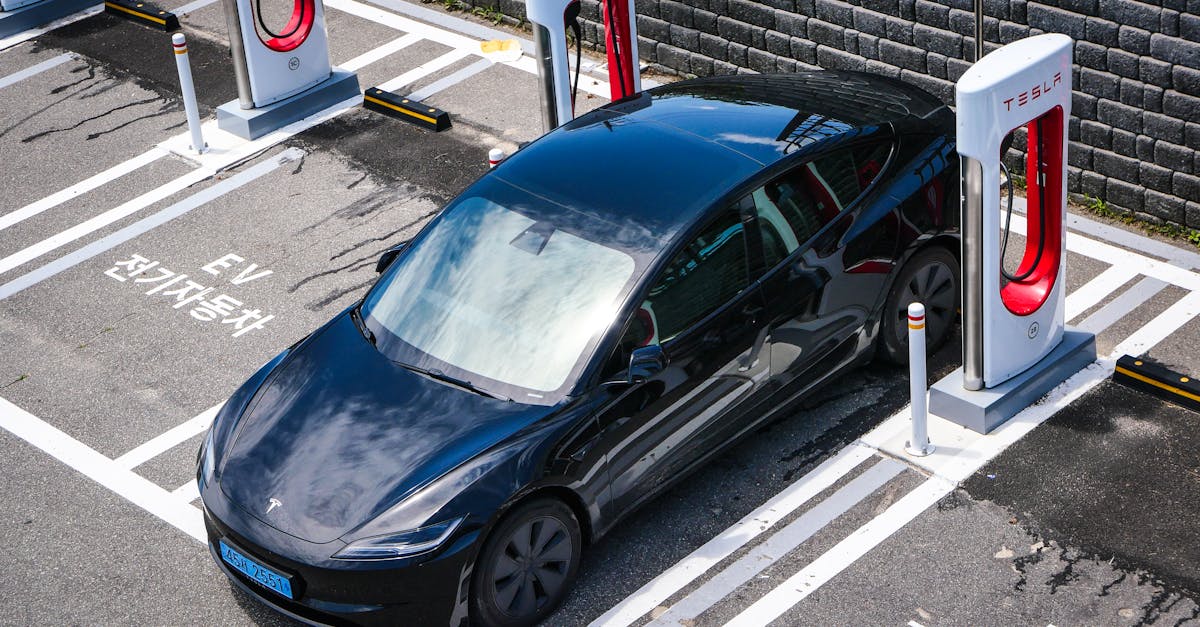
Charging infrastructure continues to expand, with more fast-charging options along major routes and in urban centers, making longer trips more practical. Battery technology improvements have yielded longer ranges and faster charging times, while recycling and second-life use are gaining traction as part of an eco-conscious ownership model. Stay aware of regulatory factors that may affect eligibility for incentives, charging access, and standards that influence charging equipment compatibility and grid impact.
“Regulatory incentives and expanded charging networks are changing how people think about EV ownership—it’s not just about the car, but the whole ecosystem around charging, maintenance, and end-of-life planning.” — EV Policy Analyst
Practical checklists and shopping tools for a confident purchase
To stay objective and focused, rely on structured checklists and user-friendly tools. A pre-purchase checklist helps you define budget, needs, and non-negotiables, while TCO calculators let you model long-term costs for multiple models. Side-by-side model comparisons can illuminate differences in price, warranty, fuel/charging costs, and maintenance expectations. As you gather quotes, maintain a running tally of incentives, trade-in values, and total monthly costs to avoid hidden fees and surprises.
Practical buyer tools:
- Pre-purchase checklist: budget, must-have features, and test-drive plan.
- TCO calculator: input annual mileage, fuel or charging costs, insurance, and maintenance to compare scenarios.
- Side-by-side model comparison: track price, warranty, safety ratings, and ownership costs for 2-3 finalists.
- Quotes and promotions tracker: record offers, eligibility requirements, and expiration dates in one place.
With disciplined planning, you’ll be able to evaluate options objectively and negotiate from a position of knowledge, reducing the risk of regret after you drive away. The right approach combines practical research, careful budgeting, and a clear view of total ownership costs, so you can enjoy reliable mobility that fits your life and your wallet.
Ready to turn your unwanted vehicle into quick cash? Kelly Car Buyer, Inc makes it easy to sell almost any type of vehicle—including cars, junk cars, trucks, semi-tractors, and trailers—regardless of condition. Don’t wait to get the best offer—click now to discover how simple and hassle-free selling your vehicle can be, and enjoy fast, top-dollar payouts today!