





Introduction: Car & More in 2026
For Houston-area drivers, this shift also means new charging options, smarter maintenance routines, and practical choices that balance cost, convenience, and reliability, as detailed in car & cars: the ultimate guide to understanding, maintaining, and choosing your vehicle.
We’ll cover technology, ownership costs, sustainability, and local considerations in a way that helps you make informed decisions without the jargon overload, and you can explore more in car s: a comprehensive guide to modern cars, trends, and buying tips.
Key terms you’ll encounter include EV (electric vehicle), HEV (hybrid electric vehicle), BEV (battery electric vehicle), ADAS (advanced driver-assistance systems), OTA (over-the-air updates), and V2X (vehicle-to-everything). Understanding these will help you interpret showroom claims, dealership notices, and maintenance reminders with greater confidence. As you read, think about your driving patterns in Houston traffic, your access to charging, and how much you value things like on-demand service, warranties, and resale value.
Key terms used in this guide
- EV: a vehicle powered entirely by electricity stored in batteries.
- HEV / PHEV: hybrids that combine an internal combustion engine with electric propulsion, with PHEV offering a battery you can plug in.
- BEV: a fully electric vehicle with no gasoline engine.
- ADAS: technologies such as automatic emergency braking, lane-keeping assist, and adaptive cruise control that aid driving.
- OTA: software updates delivered over the air to improve features and fix issues without a visit to the shop.
- V2X: vehicle communications with other vehicles or infrastructure to improve safety and efficiency.
Electric vehicles and hybrid adoption in 2026: what you need to know
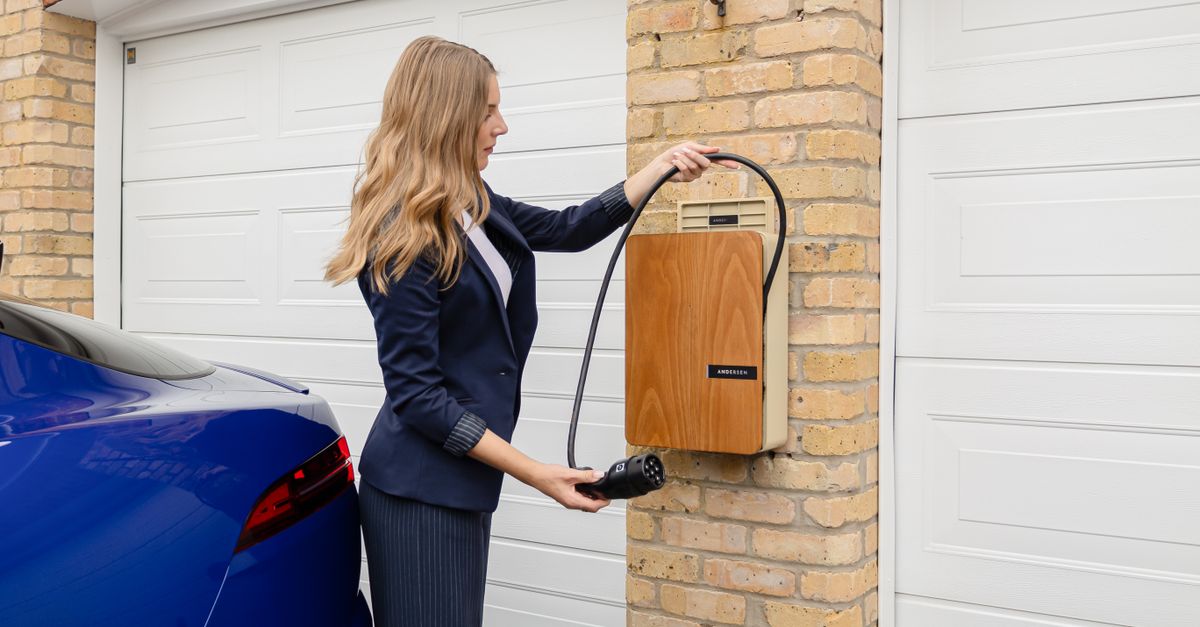
Electric propulsion is no longer a futuristic concept; it’s part of daily life for many Houston drivers. The charging network continues to broaden, with fast-charging corridors along major highways and increasingly robust home charging options. For commuters who drive predictable daily patterns, BEVs can offer compelling savings and a quieter ride. If your trips involve longer weekend runs or frequent highway stretches, HEVs and PHEVs remain strong contenders for a balance of range, flexibility, and familiarity.
Market dynamics are shifting toward more options across price points, sizes, and styles. Public charging networks are expanding, and home installation of Level 2 chargers has become a practical upgrade for many households. Insurance and maintenance ecosystems are adapting to new powertrains, with climate-controlled battery storage and thermal management playing bigger roles in longevity. In Houston’s heat and humidity, battery health and thermal management are especially pertinent concerns for longevity and performance.
Choosing between BEV, HEV, and ICE hinges on how you drive. If you clock short, regular trips with access to plentiful charging, BEV ownership can be very economical and convenient. For mixed-use drivers, HEVs offer a low-commitment path to electrification with familiar refueling. For rural or infrequent long-distance travel, a traditional ICE vehicle remains a sensible fallback. The total cost of ownership (TCO) now hinges less on upfront price and more on fuel/energy costs, maintenance needs, and incentives or rebates available at purchase or through federal guidance.
Expert perspective: Automotive researchers emphasize that the best choice is the one that fits your daily routine rather than the headline performance. An expert in vehicle electrification notes that charging access, trip patterns, and maintenance familiarity often decide whether BEV or HEV is the smarter long-term match for a given household. This means understanding your commute, work-site charging, and weekend travel is foundational to your decision.
Factors affecting total cost of ownership and incentives
Beyond sticker price, the ongoing costs of owning an electric or hybrid vehicle include electricity or fuel, maintenance, tires, insurance, and potential depreciation. In regions like Texas, federal incentives can influence the economics of BEVs, and some local or utility programs offer time-of-use rates that reduce charging costs during off-peak hours. Battery health, warranty coverage, and access to service centers also shape TCO, especially as vehicles incorporate more software-driven features that require updates and diagnostics.
In Houston, the growing charging network lowers “range anxiety” and makes BEVs more practical for everyday life. On the other hand, BEV maintenance focuses more on battery health, thermal management, and brake systems influenced by regenerative braking. For HEVs and PHEVs, consider the balance of gasoline and electricity costs, and how often you can plug in at home or work. If you’re evaluating incentives, check federal tax credits, local utility programs, and any vehicle-specific promotions at the time of purchase. A careful comparison of TCO over a 5-year period often reveals BEVs to be cost-effective for drivers with high electricity efficiency and regular charging habits, while hybrids remain attractive where charging is less convenient or costs are uncertain.
“Today’s vehicles are moving platforms with a software backbone. Understanding ADAS, OTA updates, and data privacy is essential for safe, informed ownership.”
— Automotive Safety Specialist
Safety tech and driver-assistance: today’s standards and best practices
Your car’s safety tech is designed to help you avoid crashes, but it’s not a substitute for attentive driving. ADAS features like automatic emergency braking, lane-keeping assist, adaptive cruise control, and blind-spot monitoring have become common across new models, including many affordable trims. They act as co-pilots—enhancing awareness and reaction time—but they rely on sensors and cameras that can be challenged by weather, road conditions, and complex urban traffic. In Houston’s dense traffic, two-lane merges and sudden lane changes are routine, so understanding the limits of these systems is essential for safe operation.
Use ADAS as a support tool, not a replacement for your own judgment. Maintain a safe following distance, stay alert for pedestrians and cyclists, and be mindful when lane-marking cues are unclear or when weather reduces visibility. Keep firmware up to date; manufacturers push recalibrations after system updates or tire replacements, which can subtly affect performance. If you notice odd braking behavior, steering drift, or inconsistent adaptive cruise control, schedule a diagnostic check with a trusted dealer or independent shop that has experience with your vehicle’s sensor suite.
Incorporate expert insights into your routine: perform a cautious test in a safe area after any calibration or update, ensure cameras and sensors are clean, and verify that your ADAS settings align with your driving style. For families with kids or frequent city driving, a calibrated ADAS setup can meaningfully reduce risks, provided you combine automation with steady human supervision.
Safety reminder: ADAS aids are most effective when road markings are visible, weather is clear, and driver attention remains high. Never rely on these systems in heavy rain, snow, or construction zones without taking full control yourself.
How firmware updates or recalibration impact performance
Firmware updates can improve highway safety, performance, efficiency, and even fix previously reported issues. Recalibration after windshield replacement, tire changes, or sensor damage is crucial to preserving sensor accuracy. Dealers and certified technicians perform recalibrations using manufacturer-specific procedures and sometimes require for-hire diagnostic tools. If you notice reduced braking response or unusual steering feel after any service, request a recalibration check as part of the service package. In many cases, timely updates translate to measurable improvements in efficiency and safety without any added maintenance burden for you.
Connectivity, apps, and the connected car experience
The connected car era means you can monitor health, start trips remotely, and receive OTA improvements—often all from a smartphone. Smartphone integration supports Apple CarPlay and Android Auto, while remote services can let you lock or start your vehicle from your couch or office. OTA updates can push software improvements that optimize charging, battery management, or safety features. The catch is that connectivity also introduces data privacy considerations and subscription models for certain features, so you can curate which services you want to keep active.
Privacy matters in a connected car. Be mindful of what you enable and what you share—some features require data about location, vehicle health, and usage. Review the privacy settings in your vehicle’s infotainment app and the manufacturer’s portal, and disable or limit data sharing where possible. If you rely on digital keys or vehicle-as-a-service subscriptions, assess the cost, renewal terms, and how to manage access if you sell or gift the vehicle.
For Houston drivers, local garages and dealers increasingly emphasize seamless digital experiences, including remote health reports and mobile service scheduling. If you plan to upgrade your model or trade in for a newer EV or hybrid, check how well the fabric of connectivity aligns with your routine—charging status alerts, remote climate control, and trip planning features can save time and energy in a busy metro area.
Digital keys and car-as-a-service features
Digital keys let you unlock and start your car with a smartphone or wearable, which can simplify family use or car-sharing arrangements. Car-as-a-service features often come with subscription pricing for enhanced navigation, voice controls, or advanced assistance. When evaluating a new vehicle, weigh the ongoing subscription costs against the long-term value they bring to your daily life. If a feature requires a recurring fee and you rarely use it, you may opt out or choose a model that offers the feature as a one-time purchase or standard inclusion.
Maintenance and care for all powertrains: ICE, HEV, BEV
Maintenance fundamentals stay surprisingly consistent across powertrains, but each category has its own hot spots. Regular upkeep—oil changes (for ICE), filter checks, fluid top-offs, tire rotation, and brake inspections—remains essential for longevity and safety. Scheduling is easier when you align with a routine that matches your driving cadence, whether you’re in Houston traffic or on weekend road trips to the coast.
EV-specific maintenance centers on battery health, thermal management, brakes, and software. Battery health affects range and performance, so monitor state of charge ranges, charging habits, and thermal management, especially during Houston’s hot summers. Regenerative braking reduces wear on traditional brake components, but you’ll still need period checks to maintain braking performance. Heat management is a critical factor in battery longevity; where possible, keep vehicles shaded at home and avoid prolonged, high-temperature charging cycles that maximize internal heat buildup.
DIY diagnostics can empower you to catch issues early. Basic tools like an OBD-II scanner and a vetted multimeter can help you assess engine health, battery temperature, and charging status. However, when it comes to battery packs or high-voltage systems, rely on trained technicians. Dealers and independent shops with EV specialization can provide battery health reports and software updates, and they often have access to manufacturer diagnostic platforms that ensure precise calibrations. Always keep a maintenance log, especially if you’re juggling multiple vehicles or a mix of ICE and electric options.
Regular maintenance tasks and schedules
- ICE vehicles: oil and filter changes, coolant checks, belt and hose inspections, spark plugs if applicable, and tire rotations every 5,000–7,500 miles depending on your model and driving style.
- HEV: similar to ICE in maintenance cadence, with added attention to battery health and cooling systems for hybrid components.
- BEV: battery health checks, coolant system service, brake fluid replacement, tire maintenance, and software updates. Expect fewer fluid changes and fewer moving parts overall, but monitor battery temperature and charging hardware for optimal longevity.
Sustainability: driving smarter, lighter footprints
Efficient driving isn’t just about choosing a powertrain; it’s about habits and choices that reduce energy use across the board. Efficient driving, correct tire selection and inflation, and prudent charging behavior can meaningfully cut energy consumption and wear on vehicle components. In Houston’s climate, smart heating and cooling strategies—like preconditioning the cabin while plugged in—can improve range and comfort without sacrificing performance.
End-of-life considerations are increasingly practical. Battery recycling and second-life applications (such as stationary storage) help reduce environmental impact and create recycling streams for older vehicles. If you’re considering a replacement, explore local programs that support battery recycling or second-life uses to maximize the value of aging components. As charging behavior becomes more intelligent, consider time-of-use rates from your utility, and explore solar integration where feasible to further reduce your carbon footprint.
When it comes to driving efficiency, small changes add up. Maintain steady speeds on highways, use regenerative braking where appropriate, and choose tires with low rolling resistance. For city dwellers, plan trips to minimize idling and optimize routes to reduce congestion-related energy waste. These practical steps align with both environmental stewardship and cost savings, helping you stay ahead in a rapidly evolving automotive landscape.
End-of-life considerations: batteries recycling, reuse, and second-life applications
As batteries reach the end of their automotive life, recycling programs become essential. Many manufacturers and third-party operators now offer take-back options that responsibly recycle materials and recover precious metals. Second-life applications—using retired batteries for energy storage in homes or grids—are emerging as a practical bridge between initial energy storage value and long-term reuse. If you anticipate trading in or selling a BEV or HEV, ask about end-of-life options and potential recycling credits as part of the transaction.
Buying and ownership considerations in 2026

Understanding ownership options and the true cost of a vehicle goes beyond the sticker price. Purchase, lease, warranties, incentives, depreciation, and insurance all shape the long-term value of your decision. In Houston, keep in mind the local climate, power charging availability, and the potential impact on resale value when you choose a powertrain. If you’re weighing a new EV or hybrid, consider not only the monthly payment but also energy costs, maintenance intervals, and the reliability of charging infrastructure in your area.
When evaluating ownership, a comprehensive approach to TCO (total cost of ownership) considers fuel or electricity costs, maintenance, insurance, taxes, and depreciation. If you’re balancing a tight budget, a lease can offer lower monthly payments and the chance to upgrade to newer tech more frequently, but you should be mindful of mileage limits and excess wear charges. For buyers who prioritize long-term value, a well-supported warranty and access to reliable local service centers often pay off in reduced risk and predictable maintenance costs.
If you’re selling a vehicle in Houston, you’ll also want to factor in ease of transfer and documentation. For junk or unwanted cars, several local services offer free pickup and on-site cash payments, streamlining the process and avoiding the hassle of title transfers. This can be a practical option for freeing up space and getting quick cash, especially for older vehicles with lower resale value but clear ownership documents or salvageable components.
Test drive and negotiation tips specific to modern EVs and hybrids
Test drives for BEVs and HEVs should focus on range, charging behavior, and the feel of the powertrain. Take a familiar route that includes highway segments and urban driving to gauge real-world energy use. Pay attention to regenerative braking behavior and how the vehicle handles in traffic. When negotiating, compare incentives, warranties, and included charging packages. Ask about firmware update policies, warranty terms for batteries, and service plans that cover software services. In Houston, factor in charging accessibility on your routes and any local programs that reduce upfront costs or provide home charging rebates.
What’s next: trends to watch and how to stay informed
The road ahead is shaped by faster batteries, smarter energy management, and more flexible charging ecosystems. Solid-state batteries, bidirectional charging, and vehicle-to-grid (V2G) capabilities promise greater energy resilience and more efficient use of the grid. Autonomous features will gradually become more common, expanding from assistive systems to higher levels of automation in certain contexts. Policy decisions and infrastructure investments will influence how quickly these technologies scale, so staying informed is essential.
To stay current, rely on official manufacturer portals for product updates, trusted industry reports from institutions like national labs and energy agencies, and reputable automotive press that provides practical guidance on real-world use. Local resources in Houston—utility programs, city-level transportation initiatives, and dealership networks—can offer region-specific guidance on charging options, home upgrades, and service accessibility. Regularly review your vehicle manuals, subscribe to OTA updates when you’re comfortable with data sharing, and engage with reputable local shops that specialize in your powertrain type.
Upcoming technologies: solid-state batteries, bidirectional charging, V2G
Solid-state batteries promise higher energy density and faster charging, potentially reducing charging times and increasing range. Bidirectional charging enables your vehicle to supply power back to the home or grid, which can provide resilience during outages or peak-demand periods. Vehicle-to-grid technology aims to balance energy supply and demand on a larger scale. These advances could reshape ownership economics and grid interactions, but expect phased adoption and varying availability by region and model year.
Policy and infrastructure developments
Policy changes—federal incentives, utility programs, and state-level support—will influence purchase decisions and overall cost of ownership. Infrastructure improvements, including more public chargers, reliability upgrades, and faster charging standards, will impact how you plan long trips and daily commutes. For Houston residents, monitoring local incentives and utility programs can help you optimize charging plans and minimize energy costs as the charging network expands and evolves.
Resources to stay current
Look to official manufacturer portals for service bulletins and OTA notes, established industry reports from credible sources, and independent reviews that explain how new technologies perform in typical driving conditions. Local and national car clubs, EV owner forums, and certified technicians can offer practical insights on maintenance and ownership. By staying informed, you’ll be better prepared to adapt to new powertrains, charging strategies, and safety features as they become standard in more vehicles on Houston roads.
Ready to turn your unwanted vehicle into quick cash? Kelly Car Buyer, Inc makes it easy to sell almost any type of vehicle—including cars, junk cars, trucks, semi-tractors, and trailers—regardless of condition. Don’t wait to get the best offer—click now to discover how simple and hassle-free selling your vehicle can be, and enjoy fast, top-dollar payouts today!