





Introduction: The Modern Car in 2025
Overview of major shifts: electrification, software-enabled features, and changing ownership models
Electrification has moved from a niche option to a mainstream expectation, with many new models offering full electric powertrains alongside refined gasoline and hybrid variants, as detailed in auto buying: the complete guide to smart car shopping, financing, and ownership.
The car is increasingly a platform, not just a machine you drive. Readers should expect continuous improvements through software and services after they buy.
Key decision factors for buyers in 2025
Government incentives can tip the economics, but they vary by state, vehicle type, and eligibility requirements, so you’ll want a current, model-specific review before you finalize a deal; the auto cars guide: trends, tech, and essential buying tips for modern drivers offers a broader overview.
Snapshot of the current landscape: BEVs, hybrids, and safety tech
Today’s market blends battery electric vehicles (BEVs), hybrids, plug-in hybrids, and traditional internal combustion engine (ICE) vehicles. BEVs deliver quiet operation, instant torque, and the promise of lower operating costs, though range and charging logistics remain central considerations. Hybrids and plug-in hybrids offer familiar fueling habits with the option to run on electricity for shorter trips. Safety tech has become pervasive, with many vehicles offering sophisticated driver-assistance systems as standard or optional equipment. Across the industry, robust testing regimes and evolving cybersecurity standards are shaping how these systems perform in real-world conditions.
Propulsion technologies—from internal combustion to electric and beyond—are documented in autocars history of over 126, offering historical perspective on how these shifts have unfolded.
Internal combustion engines remain common; hybrids and plug-in hybrids bridge the transition
You will still find efficient ICE powertrains in many models, often tuned for balance between performance and fuel economy. Hybrids combine a gasoline engine with electric assistance to improve efficiency, while plug-in hybrids offer a larger battery and the ability to drive extended distances on electricity alone before switching to gasoline. For many readers, a hybrid is a practical middle ground that eases charging logistics and infrastructure concerns while delivering meaningful fuel savings, especially in metro areas with mixed driving patterns.
Battery electric vehicles (BEVs): range, charging networks, and performance expectations
BEVs have matured significantly in recent years. Typical BEV ranges now span from practical daily-driver distances to longer-range options, with most new models offering 200–400+ miles on a full charge. Rapid charging networks continue to expand, shrinking the time needed for meaningful top‑ups on longer trips. Performance is competitive with conventional cars and often superior in torque delivery, delivering quick acceleration and refined drive experiences. Battery technology is evolving toward higher energy density and faster charging, while manufacturers emphasize warranties and sustainable end‑of‑life recycling to address long-term environmental considerations.
Hydrogen fuel cell and other propulsion options: current role and where they fit
Hydrogen fuel cell vehicles present a compelling concept for long-range use with quick refueling, but infrastructure for widespread adoption remains limited outside select regions. In many markets, hydrogen plays a niche but strategic role for heavy transport, fleets, and certain passenger segments where fast refueling and long range are paramount. Other propulsion concepts, such as bioderived fuels or synthetic fuels, are being explored to address existing ICE fleets without full electrification. For the average urban or suburban buyer, BEVs and hybrids continue to cover the vast majority of practical needs today.
Electric and hybrid trends in 2025: range, charging, and efficiency
BEV ranges typically 200–400+ miles depending on model; rapid charging improving across networks
In 2025, BEV offerings span a broad spectrum, with many models targeting 250–350 miles of realistic daily range. Higher-end models push beyond 400 miles on a charge, delivering extended comfort for long trips without frequent stops. Public charging networks are expanding coverage, and DC fast charging remains the backbone for quick top‑ups during road journeys. Consumers increasingly compare energy efficiency and real-world range under varying driving conditions, recognizing that weather, terrain, and usage patterns can influence daily performance.
800V architectures and solid-state batteries on the horizon; recycling and sustainability efforts
Advances in high‑voltage architectures, including 800V platforms, are enabling faster charging and improved thermal management for premium performance. Solid‑state battery development continues, with the promise of higher energy density, faster charging, and enhanced safety. At the same time, automakers are emphasizing responsible battery recycling and second-life applications to reduce environmental impact and lower the total cost of ownership over the vehicle lifecycle.
Market mix by segment: compact EVs, crossovers, SUVs, and premium EVs
The BEV market now covers nearly every major segment, from small city cars to family crossovers and luxury sedans. Compact BEVs appeal to urban buyers and first-time EV users, while crossovers and SUVs provide practicality for families and outdoor enthusiasts. Premium EVs emphasize performance, cutting-edge interiors, and advanced software. As manufacturers compete for broader adoption, pricing pressure and rental or subscription options are helping to broaden access to electric mobility.
Safety standards and advanced driver-assistance systems
Regulatory updates from major markets; Euro NCAP, IIHS, NHTSA safety ratings and testing
Safety regulation and assessment bodies continually refine tests and criteria to reflect new technologies. Euro NCAP, IIHS, and NHTSA rankings increasingly influence consumer perception and resale value. Standards now emphasize not only crashworthiness but also the performance of driver-assistance features, data privacy protections, and cybersecurity resilience. Expect ongoing updates to rating protocols as systems become more capable and interconnected across brands and platforms.
Common ADAS features: adaptive cruise, lane-keeping, automatic emergency braking; driver remains responsible
Advanced driver-assistance systems have moved from optional luxuries to common features. Adaptive cruise control maintains a set distance from the vehicle ahead, lane-keeping assists help steer within lane lines, and automatic emergency braking can mitigate or prevent collisions. However, these systems are driver aids, not substitutes for attentive driving. Manufacturers emphasize user education and clear warnings when a feature requires driver engagement or overrides due to conditions such as poor road markings or adverse weather.
Cybersecurity and data privacy considerations in connected cars
As cars become software platforms, cybersecurity becomes a central risk management topic. Automakers implement encrypted communications, secure boot processes, and ongoing software hardening, but the ecosystem also raises privacy questions about location data, vehicle telemetry, and third‑party app access. You should review consent settings, data sharing choices, and the ability to opt out of nonessential data collection while still enjoying core features and services.
Connectivity, software, and OTA updates

Infotainment and vehicle software evolution; OTA updates expanding features
Vehicle software has moved beyond basic infotainment toward full vehicle control and optimization. Over-the-air updates allow manufacturers to fix bugs, improve performance, and add features after delivery, much like a smartphone. This can enhance comfort, safety, and efficiency, but also introduces potential risk of software-related issues that require timely updates and clear communication from the automaker.
Subscriptions and services: evaluating value vs recurring costs
Many brands offer optional services such as premium navigation, enhanced concierge, or advanced driver-assistance features via subscription models. While some services add real value, others may be optional or unlock features you would otherwise expect as standard. You should assess each service’s annual cost, how essential it is for your use, and whether the same capability could be obtained through a one-time purchase or a different model altogether.
V2X readiness and integration with smart city infra
Vehicle-to-everything communication is expanding, enabling better coordination with traffic signals, road sensors, and nearby vehicles. In urban centers that deploy smart infrastructure, V2X can improve safety, reduce congestion, and enhance routing efficiency. Adoption varies by market and model year, so confirm that a vehicle supports the V2X features your area can leverage and how data is managed locally.
Maintenance and ownership costs in the EV era
Lower routine maintenance for EVs due to fewer moving parts; EV-specific maintenance needs
Electric vehicles generally require less routine maintenance than ICE vehicles because there are fewer moving parts, no exhaust system, and less frequent oil changes. However, EVs introduce maintenance considerations such as battery health, thermal management systems, and electric motor cooling. Routine checks for tires, suspension, and brake systems remain essential, and the brake system may experience lower wear due to regenerative braking. Regular software updates can also influence maintenance schedules and parts availability.
Tire wear, brake wear, battery warranty considerations; service intervals
Tire wear is a key cost driver for all vehicles, but BEVs’ higher torque can accelerate tire wear on early models if aggressive driving is common. Brake wear often reduces with regenerative braking, extending service intervals. Battery warranties provide peace of mind for long-term ownership, typically covering a substantial portion of capacity loss within a defined period. Understanding warranty terms, replacement costs, and your driving patterns helps forecast ownership expenses more accurately.
Calculating total cost of ownership: fuel/electricity costs, depreciation, insurance
To estimate total cost of ownership, you should consider upfront price after incentives, annual energy costs, maintenance, insurance, and projected depreciation. Electricity costs for BEVs are typically lower per mile than gasoline costs, though this depends on local utility rates and charging behavior. Depreciation for EVs has historically been a concern, but market demand, battery reliability, and residual value trends have shown improvement as the technology matures and supply chains stabilize.
Charging infrastructure and practical charging considerations
Home charging setup: Level 2 installation, electricity rates, time-of-use plans
Home charging is the easiest way to ensure convenient daily charging. A Level 2 charging station installed at home can dramatically reduce charging time compared with a standard wall outlet. Electricity rates, including time-of-use plans, can influence charging costs. If you work from home or have a predictable daily routine, scheduling charging during off-peak hours can yield meaningful savings over the year, especially for households with higher energy consumption or multiple EVs.
Public charging networks: CCS, reliability, pricing, and trip planning
Public charging networks are essential for longer journeys or for residents without dedicated home charging. The Combined Charging System (CCS) is widely adopted in North America, with chargers offered by a growing number of networks. Reliability and pricing vary by location and network, so planning tools and apps that show real-time availability and pricing help reduce range anxiety and downtime during trips. Consider installing a charging app you trust and building flexibility into travel plans to account for station availability.
Charging etiquette and app-based planning for longer journeys
Practical charging habits include preconditioning the battery while plugged in, avoiding long consecutive idle times at high-demand locations, and tipping when appropriate at premium networks that offer extra services. For longer trips, plan charging stops with buffer time to account for slower chargers or busy corridors. Efficiency-minded driving, combined with intelligent route planning, can minimize charging stops and keep trip times reasonable.
Buying guide: evaluating needs, budgeting, and incentives
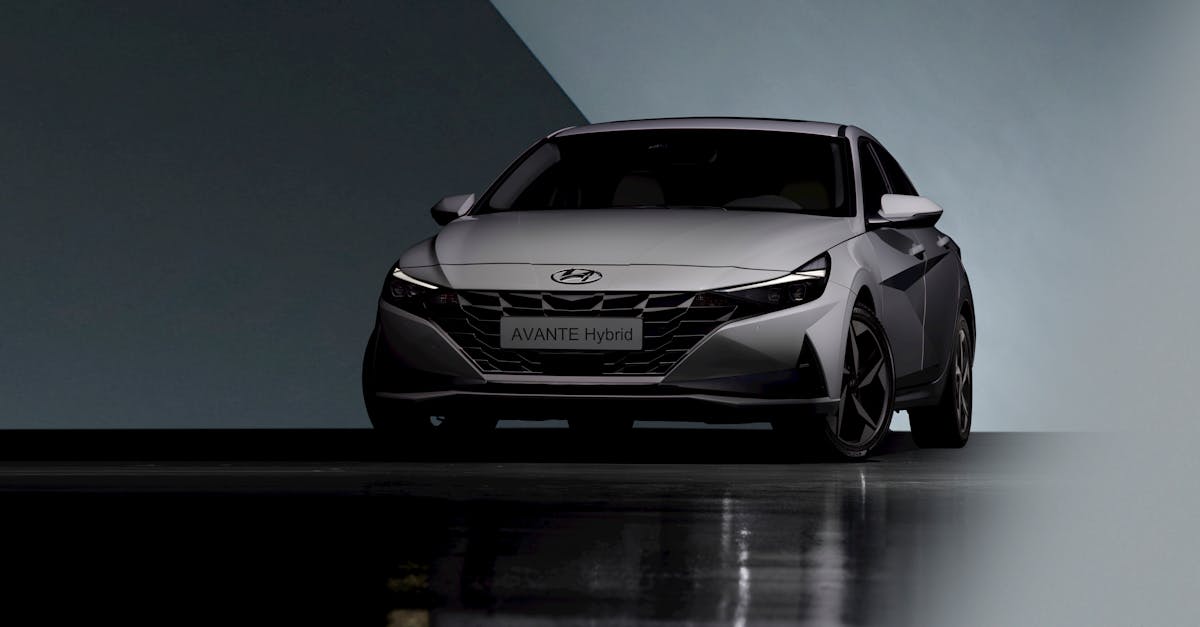
Choosing BEV vs plug-in hybrid vs hybrid based on use case, geography, and charging access
Your decision should start with how you drive. If you primarily commute short distances in a city with easy access to charging, a BEV may offer the best long-term savings. If you regularly take long road trips without reliable charging, a plug-in hybrid or hybrid might be more suitable, as they provide flexibility between electricity and gasoline. Local climate, topography, and driving patterns all influence real-world efficiency and comfort, so model testing and a thoughtful ownership scenario are essential to avoid buyer’s remorse.
Incentives, rebates, and warranties; understanding total price of ownership
Incentives vary by state, vehicle type, and eligibility, and they can significantly affect the purchase price. Warranties for BEBs typically cover the battery for a defined period or mileage, and many brands extend coverage for critical components. When evaluating a deal, consider not only the upfront price but also the length and breadth of coverage, maintenance plans, and any potential out-of-pocket costs associated with battery replacement or component failures beyond warranty terms.
Test drive checklist: range realism, comfort, software, and charging experience
During a test drive, validate real-world range by comparing the trip you plan to typical daily use, including climate control and highway speeds. Assess ride comfort, seating position, interior ergonomics, and cabin noise. Explore the software interface, ease of OTA updates, and how intuitive charging setup is within the vehicle’s navigation and apps. Finally, evaluate the charging experience, including access to stations, planned stops, and the responsiveness of charging apps during the journey.
Total cost of ownership, environmental impact, and future outlook
Environmental impact: production, operation, and end-of-life recycling
Electric vehicles offer meaningful environmental benefits in operation, producing zero tailpipe emissions in the drive cycle. However, production, battery manufacturing, and end-of-life recycling introduce environmental considerations that are being actively addressed by manufacturers, policymakers, and researchers. Recycled materials, second-use battery applications, and improved manufacturing efficiency all contribute to reducing overall environmental footprints over the vehicle’s lifetime.
Policy evolution and resale value trends; how incentives affect depreciation
Policy incentives help accelerate adoption, but resale value is influenced by battery health, reliability, and market demand for new technology. As the market matures, depreciation curves for BEVs have shown improvement relative to early EV generations, aided by better range, faster charging, and growing infrastructure. Buyers should consider not only the immediate tax or incentive benefits but also how resale value and third-party maintenance costs may evolve over time.
What’s next: solid-state batteries, AI-assisted driving, and charging standard evolution
Looking ahead, solid-state batteries promise higher energy density and improved safety, while ongoing AI-driven software improvements aim to enhance safety, efficiency, and personalization. Charging standard evolution, better interoperability, and expanded plug-in ecosystems are likely to reduce friction for multi-brand ownership and pave the way for smoother nationwide charging experiences. For buyers, this means a future where upgrades and new capabilities can come quickly through updates rather than new car purchases.
Conclusion: Making an informed car choice in 2025
Practical steps to compare models and build a decision framework
To make a sound choice, start with your daily driving profile, access to charging, and your long-term ownership expectations. Create a comparison matrix that weighs range realism, charging speed, total cost of ownership, warranty coverage, and software robustness. Run scenarios for your typical trips, factoring in climate, driving style, and annual mileage. Don’t neglect after-sales support, service networks, and the ease of obtaining parts along your chosen model line.
Tailoring guidance to urban vs rural buyers, families, and tech enthusiasts
Urban buyers may prioritize compact BEVs with convenient charging access and maneuverability, while rural drivers might favor hybrids or longer-range BEVs with rapid-charging options along major corridors. Families often require spacious interiors, strong safety packages, and reliable maintenance networks. Tech enthusiasts may seek models with the most comprehensive OTA updates, advanced driver assistance, and the latest in-car digital ecosystems. Whatever your profile, the best choice balances practical constraints with the aspirational benefits of modern mobility.
Ready to turn your unwanted vehicle into quick cash? Kelly Car Buyer, Inc makes it easy to sell almost any type of vehicle—including cars, junk cars, trucks, semi-tractors, and trailers—regardless of condition. Don’t wait to get the best offer—click now to discover how simple and hassle-free selling your vehicle can be, and enjoy fast, top-dollar payouts today!