





Introduction: Why Local Auto Junk Yards Matter
What auto junk yards are and their role
Auto junk yards specialize in salvaging usable parts from end‑of‑life vehicles. They collect, dismantle, and resell components to homeowners, repair shops, and hobbyists. By promoting reuse and recycling, they help reduce waste and extend the life of vehicles still on the road. In practice, you gain access to affordable parts, faster repairs, and a local point of contact should you need towing or on‑site service. For Houston residents, nearby yards mean shorter wait times and less logistical complexity when you need a part fast.
Understanding the yard process also helps you navigate ownership transfer and paperwork smoothly, and the yes page explains exactly how it works.
Benefits for Houston-area readers
Low prices, flexible pickup options, and local knowledge are the biggest perks. Because Houston’s climate accelerates rust in some components and can complicate shipping, dealing with a nearby yard reduces risk and cost. You can often negotiate cash payments or same‑day pickup if you bring required IDs and proof of ownership. Local yards often know which models and generations share common issues, saving you time on compatibility checks.
When you work with a reputable Houston yard, you also gain access to guidance on transfer paperwork and any local incentives for recycling vehicles, and yes, you can learn more about how this process works.
Market dynamics: online inventories, apps, and environmental considerations
Across the region, more yards post inventories online and offer VIN‑based lookup tools so you can verify compatibility before you visit, as standard auto parts chicago il demonstrates.
From an environmental perspective, reputable yards follow end‑of‑life vehicle programs and proper fluid handling. The result is fewer hazardous wastes entering landfills and more material recycled into new parts or products. A local expert notes that compliant yards track disposal and provide documentation you can keep for your records.
Local industry expert Jane Doe notes that mobile apps have transformed how buyers compare inventories and schedule pickups, making the process faster and more transparent.
How to Locate Reputable Auto Junk Yards Near You
Find candidates using local directories, maps, and associations
Start with Houston‑area business directories, Google Maps, and regional auto recycler networks. Trade associations provide member lists and performance standards that help you filter out less reputable yards. Look for yards that publish clear contact details and a physical address you can verify. A practical approach is to cross‑check a yard’s listed address on a map and read customer notes about gate access and towing reliability.
Trust signals to evaluate
Important signals include valid state licenses, environmental certifications, and visible warranties on parts. Read online reviews from multiple sources to identify patterns like timely payments, accurate listings, and clean workspaces. Honest yards publish return terms and basic policies right on their site or listing. If a yard advertises a “certified dismantler” designation, ask what that certification covers and when it was issued.
Online inventories and virtual tours
Prefer yards that maintain transparent online catalogs and offer virtual tours or phone pre‑inspections. A current online inventory reduces time wasted visiting yards that don’t have your make or part in stock. If a yard can show you a video of the lot or a recent stock walk, you gain extra confidence in condition and stock levels. This is especially helpful for busy Houston days when weather or traffic can complicate in‑person visits.
Using Online Inventories and App‑Based Searching
Tools for locating parts: catalogs, VIN lookups, apps
Use online catalogs that let you search by vehicle make and model, part number, or VIN. VIN‑based lookups improve accuracy, while mobile apps let you check compatibility on the go. Always confirm part numbers with the listing and bring your VIN when you visit or order remote parts. Look for yards that show photos of the part, not just a stock description, to avoid surprises at pickup.
Alerts and saved lists
Set up alerts for new arrivals that match your part criteria. Saving lists helps you monitor multiple yards at once without losing track of where a part just popped up. This is especially helpful for in‑demand parts like sensors, radiators, and certain electrical modules that tend to move quickly in the Houston market.
Practical considerations: pickup logistics and turnover
Reality check: even if a part is listed, you’ll need to plan pickup logistics, including day/time, tow options, and costs. Inventory turnover varies by yard; some locations refresh stock weekly, others monthly. Factor in potential local pickup fees or drive times when comparing listings. If you plan to drive a long distance, check loader availability and gate hours in advance.
Finding the Right Parts: Inventory, Fit, and Compatibility

Search methods: make/model, part number, VIN
Start with your exact vehicle and any part number you have. If you only know the VIN, many catalogs can derive compatibility data. For classic or less common vehicles, listing the VIN is especially valuable because it enables precise cross‑references and reduces misfits.
Interchange numbers and cross‑compatibility
Yards often list interchange numbers and cross‑reference notes. Use these signals to confirm that a part will fit a range of similar models. If you’re unsure, call or message the yard with your vehicle details and ask for a cross‑reference sheet. A quick cross‑check can save you time and a return trip.
Condition and core requirements
Parts come in used, reconditioned, or like‑new states. Some yards require a core exchange or offer a core credit toward your purchase. Understand the implication: a lower upfront price may require returning a used part for core credit later, or paying a core charge if you don’t exchange. If you’re repairing a higher‑value system (like the engine or transmission), confirm whether a remanufactured alternative is available nearby and how it compares in price and warranty.
Verifying Part Details: Warranties, Returns, and Inspections
Warranty length, coverage, and returns
Ask about how long the warranty lasts, what it covers, and any limits. Clear return terms protect you if the part is not as described or fails prematurely. Some yards offer a limited warranty on major components like engines or transmissions; others provide only a return window for smaller parts. Always request the written terms before paying.
In‑person inspections and what to look for
When possible, inspect seals, connectors, corrosion, and physical damage. Check for oil leaks, broken mounting points, and evidence of prior repairs that could affect function. Take photos to document the condition before loading the part into your vehicle. If you spot red flags, don’t hesitate to walk away or request a different unit.
Documentation and records
Keep a record of the part number, stock number, purchase receipt, and any warranties. Having thorough documentation helps if you need to request a return or service under warranty later, and it simplifies ownership transfer if you’re selling the vehicle after the sale. Store copies in both digital and physical formats for easy access.
Pricing, Bargaining, and Saving Money
Price comparison, core charges, and pickup/shipping costs
Shop across multiple yards and online catalogs to gauge typical price ranges. Remember to account for core charges, freight, or pickup fees. A seemingly cheap part can end up costing more after you add in these extras, so compare the total delivered price. In Houston, local tax nuances and pickup logistics can also impact the final cost, so factor those into your decision.
Bundles, returns, and inventory turnover
Ask about bundle deals if you need several parts for one repair. Some yards offer discounts for multiple purchases or returns on unopened items within a defined window. Inventory turnover can create opportunities for discounts when stock is refreshed with new arrivals, so keep an eye on restocks that align with your project schedule.
Timing your purchase
Timing matters: yards often discount items when they are clearing older stock or during slower sale periods. If you’re flexible on timing and your project allows a little patience, you may secure better prices without sacrificing part quality. A short wait can also yield a better selection as new inventory arrives.
Environmental Compliance and Responsible Recycling
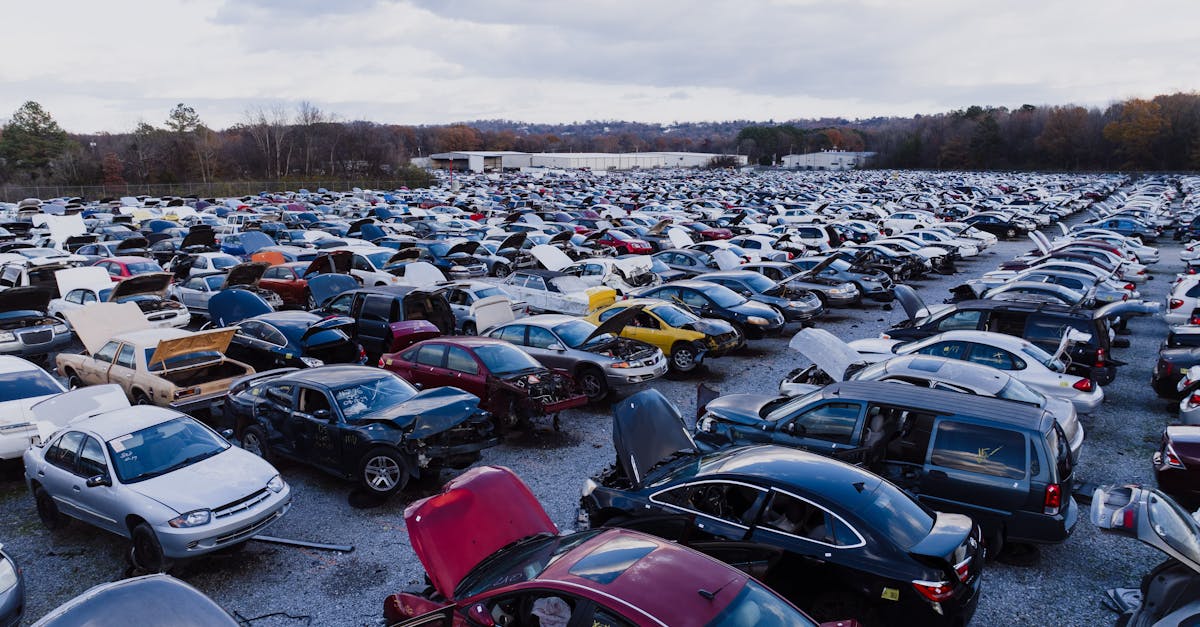
Fluid, battery, and hazardous waste handling
Trustworthy yards segregate and safely dispose of fluids, batteries, refrigerants, and other hazardous waste in accordance with state and federal rules. Proper handling protects you, the environment, and the yard’s staff. Request to see the yard’s disposal documentation if available. Be wary of any yard that cannot show clear handling procedures or disposal records.
End‑of‑life vehicle programs and certifications
Yards participating in end‑of‑life vehicle ELV programs and recycling certifications are more likely to follow best practices for material reuse and compliance. These programs provide a framework for responsible dismantling and tracking of recycled materials. When in doubt, ask for the certificate number and the issuing organization.
Documentation and regulatory adherence
Ask for disposal documentation and compliance statements. Keeping a paper trail helps when you’re submitting taxes, validating resale value, or proving compliance during audits or future sales. A transparent yard will readily share their compliance stance and recent audit notes if requested.
Common Parts You’ll Find vs Specialty Parts
Common, high‑demand parts
Common items like brakes, sensors, radiators, starters, alternators, and filters are typically easiest to source and most affordable in the junk‑yard market. These parts move quickly because they fit a wide range of models and years. If you’re working on a tight budget, start with these high‑turnover components and verify compatibility carefully.
Specialty or rare components
Specialty trim pieces or hard‑to‑find components may require more patience and cross‑referencing. If you’re chasing a specific color or an uncommon interior piece, you may need to check multiple yards or wait for a restock. Don’t assume every yard carries every part, and be prepared to widen your search to nearby neighborhoods.
Avoiding mislisted parts
Always verify part numbers and cross‑check compatibility before finalizing a purchase. A quick comparison with your VIN and OEM documentation can save wasted trips and refunds. If a listing seems ambiguous, contact the yard for confirmation before you commit.
From Search to Pickup: Planning, Transportation, and Confirmation
Coordinating pickup times, IDs, and access
When you have identified the right part, confirm pickup time and what IDs or documentation you’ll need at the yard gate. Some yards require you to present ownership or a photo ID, while others may allow remote pickup with a valid order number. Clarify the exact gate procedure to avoid delays on the day of pickup.
Confirming condition at pickup and safeguarding paperwork
Double‑check the part against the listing when you arrive. Keep purchase receipts, warranty documents, and any core credits handy in case a return or follow‑up is needed. Taking a quick photo at pickup helps resolve any later discrepancies.
Remote purchases: shipping and delivery considerations
If you’re buying remotely, verify shipping arrangements, lead times, and delivery insurance. Get the tracking number and confirm who bears risk during transit. For heavier parts or larger orders, ensure the shipper has the correct equipment to handle the freight and that you have a clear return path if the item arrives damaged.
Next Steps: Building a Local Junkyard Shortlist and FAQs
Building your Houston‑area junkyard shortlist
Create a short list of yards with consistent inventory, transparent policies, and strong reviews. Include parameters like distance, towing options, warranty terms, and whether free pickup is offered. Revisit and update the list every few months as the market evolves and new digital tools emerge to simplify comparisons. A good shortlist reduces decision fatigue when you need a quick fix or a last‑minute part replacement.
Frequently asked questions
Common questions include: How long do parts typically stay in stock? What are the return policies? How do I verify compatibility before buying? What documentation will I need for ownership transfer and title handling? We cover these topics and more to help you move quickly from search to pickup. If you’re ever unsure, call the yard with your Vehicle Identification Number (VIN) and a photo of the part you’re after to confirm details before you travel.
Ready to turn your unwanted vehicle into quick cash? Kelly Car Buyer, Inc makes it easy to sell almost any type of vehicle—including cars, junk cars, trucks, semi-tractors, and trailers—regardless of condition. Don’t wait to get the best offer—click now to discover how simple and hassle-free selling your vehicle can be, and enjoy fast, top-dollar payouts today!