





Understanding Current Market Dynamics in 2026
If you understand these forces, you can move from overwhelmed to empowered, with a clear plan for getting the best value for your needs, supported by the buy in car: the ultimate buyer’s guide to purchasing your next vehicle.
Hook: In 2026, the signposts are clearer than ever: EV adoption is accelerating, supply constraints are gradually easing but remain uneven by region, and financing options are more varied than in prior years. The result is a market that rewards informed shoppers who compare options, verify incentives, and forecast total costs rather than chase the lowest sticker price alone.
The smartest buyers aren’t chasing one perfect deal; they’re balancing upfront price, delivery timeline, and long-term ownership costs while verifying every incentive they may qualify for, as explained in get a car: a step-by-step guide to buying, financing, and owning your vehicle.
For buyers in Phoenix, understanding how these elements interact can help you forecast price trajectories, plan for delivery windows, and quantify the real cost of ownership over five years, by exploring phoenix used cars for sale.
EV Adoption Trends
Electric vehicles are no longer a niche option. Automakers are prioritizing EV ramp-ups, with more models offering larger battery ranges and faster charging capabilities. As a result, you’ll see a broader selection of EVs across price points, including affordable compact options and premium crossovers. The practical effect for buyers is more viable options that fit different budgets and driving patterns, along with more robust resale demand for EVs in many markets.
For buyers in Houston and similar metro areas, local incentives and utility programs can further tilt the economics of EV ownership. Always check a vehicle’s eligibility for federal tax credits and any state or utility rebates that may apply to your purchase, and confirm final assembly locations and battery sourcing requirements that affect eligibility.
Inventory and Financing Trends
Inventory cycles have improved relative to the peak pandemic disruption, but variations remain by model and region. Expect broader dealer stock for mainstream trims and more limited supply for newly redesigned models or high-performance variants. Financing options have diversified, with lenders offering a mix of conventional loans, low- or 0% promotional APRs for certain models or terms, and extended-term products that can lower monthly payments but raise total interest over the life of the loan.
Interest-rate environments influence not only monthly payments but also how aggressively dealers discount or subsidize vehicles to move older inventory. In practice, this means you should shop with pre-approval where possible, verify out-the-door pricing (including all fees), and compare total cost of ownership rather than focusing on sticker price alone.
New vs Used vs Certified Pre-Owned: How to Decide
Choosing between new, used, or certified pre-owned (CPO) is rarely a simple binary decision. Your best path depends on budget, tolerance for risk, and how much you value latest technology and warranty protection. The right choice balances upfront cost, depreciation, coverage, and the practical realities of ownership in your area.
Hook: Imagine narrowing your options quickly by focusing on total ownership costs, warranty coverage, and the condition/history of the vehicle—then layering on how soon you need a car, your daily driving needs, and your willingness to handle potential repairs out of pocket. That approach helps you avoid buyer’s remorse and reveals real value beyond the sticker price.
New Vehicles
Pros of buying new include the latest technology, optimal fuel efficiency, and the strongest factory warranties. You’ll also avoid the risk of hidden wear-and-tear issues or unknown maintenance history. Cons include higher upfront costs and more rapid depreciation in the first few years, which means your resale value can drop more quickly than a comparable used model.
New models often come with the newest safety tech and connectivity features, which can translate into improved driver assistance and a longer timeline before major maintenance events. If you plan to keep the car for a decade or longer, financing terms may be favorable in terms of reliability and warranty coverage, particularly if you value peace of mind over the absolute lowest price.
Used Vehicles
Used vehicles typically offer substantial savings on sticker price and depreciation. A well-documented history, a clean title, and a thorough pre-purchase inspection can greatly reduce risk. However, maintenance costs can be higher, and you may miss out on the latest safety tech and extended warranties found on new models.
Certified pre-owned (CPO) programs bridge the gap by combining lower depreciation with factory-backed warranties and multi-point inspections. CPO vehicles tend to carry more assurance than mainstream used cars, though they still require careful scrutiny of history, remaining warranty terms, and the specific coverage offered by the program.
Evaluation Tools and When to Choose
Use total-cost-of-ownership calculators and vehicle-history reports to compare options. In practice, if you can secure a deep discount on a new model while accepting a slightly older tech stack, the decision may tilt toward new. If you want a modern, reliable car at a lower upfront cost and a meaningful warranty buffer, CPO is often the sweet spot. For maximum savings and a flexible budget, carefully vetted used vehicles with solid histories and professional inspections can be the best path.
Financing, Leases, and Total Cost of Ownership
Financing, leasing, and ownership costs are the mental models you should use to compare offers. It’s not just about monthly payments; it’s about how much you spend across the life of the vehicle, including depreciation, insurance, maintenance, fuel or electricity, and taxes. A disciplined approach to comparison—especially when promotions end or inventory shifts—will pay off in money saved and reduced stress at signing.
Hook: A practical path is to separate the decision into three questions: Can I afford the monthly payment with a comfortable down payment? What will ownership costs look like over 5 years? And how do incentives, taxes, and insurance alter the total cost of ownership? Answering these questions early keeps you from overpaying or choosing a vehicle that’s costly to own in the long run.
Loan vs Lease vs Buyout Options
Loans provide ownership and flexibility, with payments that build equity over time. Leases offer lower monthly payments and access to new models every few years, but typically come with mileage limits and end-of-terms options that can complicate live-cost scenarios if you exceed allowances. A single-payment purchase can maximize ownership value if you have the cash and prefer avoiding ongoing payments, but it may not be practical for everyone.
When deciding, factor in total monthly outlays, including insurance and maintenance, and compare your expected mileage against lease terms and residual values—an item that can significantly affect the end-of-lease costs or the decision to buy at the end of the term.
Total Cost of Ownership Considerations
Depreciation, insurance, maintenance costs, fuel/energy costs, and applicable taxes all shape the five-year picture. EVs typically save on fuel but may incur higher maintenance costs related to battery and propulsion warranties. Insurance premiums can vary widely by model, driver profile, and safety features. Use a TCO calculator to run multiple scenarios across different vehicle types and ownership structures to identify the best long-term option for your situation.
Electric Vehicles and Charging: Trends, Costs, and Practicalities
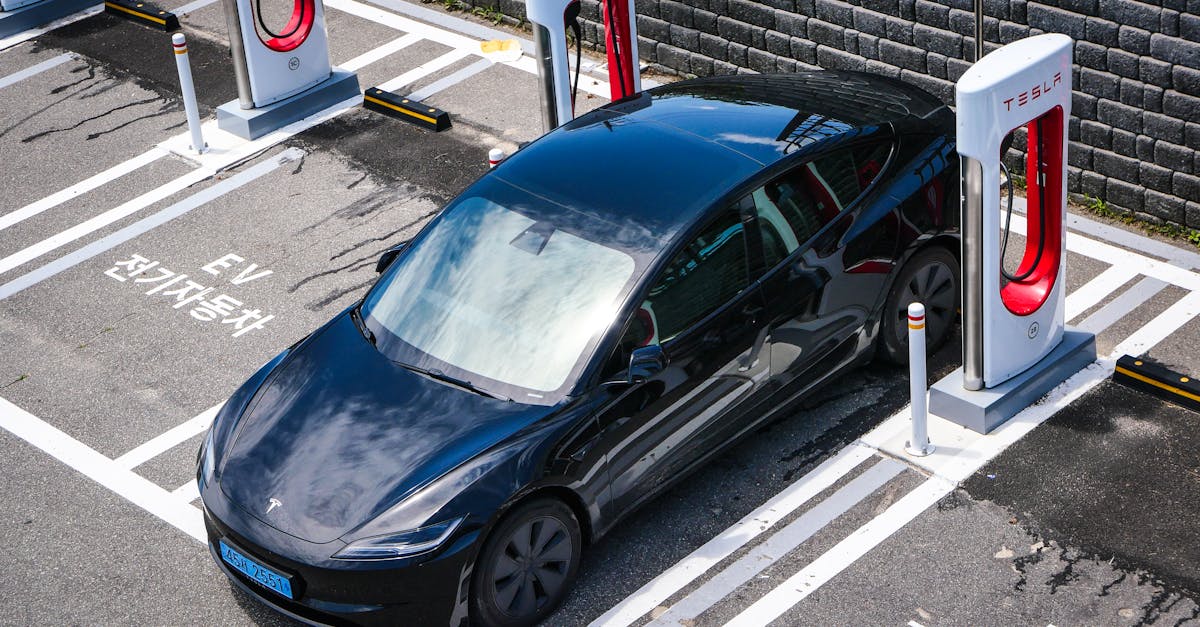
Electric vehicles are moving from novelty to mainstream, but real-world ownership depends on charging access, driving patterns, and the economics of electricity vs. gasoline. Battery technology continues to improve, charging networks expand, and incentives shift with policy changes. The practical takeaway is that EV ownership can be very compelling for many drivers, but it requires a careful readiness check on charging habits, home infrastructure, and the total life-cycle cost in your area.
Hook: For Houston-area residents, home charging is often the most convenient option, with public charging as a reliable backup for longer trips. Battery warranties and degradation expectations are also front-of-mind as you weigh whether an EV or hybrid best fits your daily route and tolerance for potential future maintenance needs.
Real-World Range, Efficiency, and Cost
EV ranges have expanded into practical territory for most commuters, with many models offering 250–350 miles on a single charge. Real-world efficiency depends on drive style, climate, and the weight of the vehicle. Public charging networks continue to grow, reducing range anxiety, while home charging remains the single most convenient option for most buyers. Energy costs per mile must be weighed against fuel expenses for ICE vehicles to estimate TCO accurately.
Battery warranties are typically robust, with coverage spanning many years or miles, and degradation expectations are generally modest over that horizon. When evaluating EVs, consider not only range but the reliability of the charging ecosystem, availability of fast-charging options along your common routes, and the expected resale value as the market matures.
Incentives, Batteries, and Resale Dynamics
Federal tax incentives for EV purchases—subject to eligibility and policy rules—remain a major lever in the total cost equation. Battery warranties and lifecycle performance influence resale value; buyers increasingly seek models with proven battery durability and favorable maintenance profiles. Beyond sticker price, the potential return on investment hinges on energy savings, maintenance avoidance, and the probability of retaining value as technology evolves.
Safety, Driver-Assist Tech, and Vehicle Connectivity
Safety and technology are not optional luxuries; they influence insurance premiums, ongoing maintenance costs, and even resale value. As sensors, cameras, and software ecosystems proliferate, the complexity of ownership grows. A responsible buyer evaluates not only crash-test ratings but also the depth of a brand’s safety tech portfolio, the reliability of OTA updates, and the longevity of support for digital features.
Hook: A vehicle with strong safety ratings and well-supported driver-assistance features can deliver meaningful value through improved protection, smoother driving experiences, and potentially lower insurance costs—especially as technology matures and real-world performance solidifies.
Safety Ratings and Standard vs Optional Features
Independent authorities such as IIHS and NHTSA publish crash-test results and safety category ratings that should influence your shopping. Compare standard features across trims, noting which driver-assist technologies are included at a given price, and which require premium packages. A broader sensor suite (radar, cameras, and, in some brands, lidar) often correlates with better performance in adverse conditions and more reliable automated features.
OTA (over-the-air) updates are increasingly common, delivering feature enhancements, improved safety calibrations, and bug fixes without a dealer visit. Consider how the vendor’s ecosystem approach affects long-term reliability, the ease of performing updates, and the potential for feature obsolescence if a platform is abandoned.
Tech Ecosystems and Insurance Impact
Connectivity and software updates can influence insurance costs, especially when a vehicle gains new driver-assist capabilities or higher-value sensors. The reliability and usability of the tech interface also shape day-to-day satisfaction and perceived ownership costs, particularly if frequent service visits are needed for software-related issues or sensor recalibration.
Research, Test Drives, Negotiation, and Dealer Evaluation
Your success in this stage hinges on solid research, a thorough test drive, and disciplined negotiation. The goal is to gather credible pricing signals, verify dealership transparency, and minimize friction from online-to-offline purchasing paths. A well-structured approach helps you spot scams, avoid hidden fees, and secure a fair deal, even in a busy market with multiple competing offers.
Hook: A practical path often begins with reliable price data, moves through a purposeful test drive, and culminates in a transparent, well-documented out-the-door quote that includes all fees, taxes, and optional add-ons.
Reliable Sources for Pricing and Reviews
Rely on manufacturer quotes, reputable third-party sites, and consumer reports to triangulate fair market pricing. Cross-check advertised prices against the calculated out-the-door price, ensuring you understand every fee. Read dealer reviews and look for patterns in responsiveness, accuracy of quotes, and consistency of, or changes to, written offers across channels.
Test-drive with a clear checklist: comfort with seating position, visibility, brake response, accelerative feel, steering accuracy, and the intuitiveness of tech interfaces. Bring a friend or consultant if you want a second perspective on ride quality, cabin ergonomics, and long-term ownership considerations.
Online-to-Offline Buying Paths and Documentation
Online ordering, curbside delivery, and home-to-dealer handoffs are now common. Ensure you understand the documentation requirements: title transfer, bill of sale, odometer disclosures, and registration steps. Ask about delivery lead times, inspection opportunities upon delivery, and return or exchange policies if available. A transparent dealer will provide an itemized, out-the-door price and a clear explanation of any optional protections you choose.
Warranties, Insurance, and Consumer Protections

Warranties and protections give you recourse when something goes wrong after you sign. Understanding the breadth and limits of coverage helps you decide whether to lean toward extended service plans, and how to price the cost of peace of mind into your overall budget. Insurance costs are a function of the vehicle type, your driving history, and the level of safety tech present on the vehicle you choose.
Hook: A thoughtful buyer looks beyond the moment of purchase to the long arc of ownership, including warranty coverage, potential service costs, and robust consumer-protection channels that support fair dealing and recourse if issues arise.
Warranty Types and Extended Plans
Bumper-to-bumper and powertrain warranties provide foundational coverage, with some brands offering limited battery warranties for EVs and hybrid propulsion systems. Extended warranty options can add value if they align with your expected maintenance needs and risk tolerance. Compare coverage length, included components, deductibles, and transferability when evaluating extended plans.
Consider including roadside assistance, rental car reimbursement, and maintenance inclusions in your decision matrix. These perks can influence the practical reliability and total ownership cost, especially during peak driving seasons or when you rely on your vehicle for frequent trips.
Consumer Protections and Dealer Credibility
Dealership certifications, clear return policies, and transparent fee disclosure are signals of credibility. If you encounter a discrepancy between quoted prices and final documents, request a written explanation and a revised, itemized quote. Use reputable dispute channels through state consumer protection offices or trusted consumer groups if a warranty or sale doesn’t meet stated terms.
Ready to turn your unwanted vehicle into quick cash? Kelly Car Buyer, Inc makes it easy to sell almost any type of vehicle—including cars, junk cars, trucks, semi-tractors, and trailers—regardless of condition. Don’t wait to get the best offer—click now to discover how simple and hassle-free selling your vehicle can be, and enjoy fast, top-dollar payouts today!