





Introduction: The 2026 car landscape and how to use this guide
Welcome to your roadmap for navigating the rapidly evolving world of cars in 2026, and for a deeper dive into modern cars, trends, and buying tips, see car s: a comprehensive guide to modern cars, trends, and buying tips.
You’ll find data-driven context drawn from trusted authorities like NHTSA, IIHS, Euro NCAP, major automakers, and industry analysts. Each section includes practical visuals, checklists, and actionable insights you can verify with local incentives, regulations, and regional charging networks. Use the guide as a living reference—and always cross-check with your local regulations and programs to ensure you’re applying the most current rules.
“The 2026 model year marks a turning point toward higher efficiency and smarter safety systems that work together across powertrains.”
In your search for the right car, use buy and car: the ultimate buyers guide to smart car shopping as a framework, then verify specifics with local incentives, grid reliability, and regulation updates from official sources.
Car Categories in 2026: Sedans, SUVs, Hatchbacks, Pickups, and Electric/Hybrid models
Across the United States and major markets, the basic category framework remains consistent, but the mix shifts as buyers prioritize efficiency, versatility, and comfort. Sedans continue to offer efficient, well-balanced transportation; SUVs and crossovers dominate daily driving with spacious interiors; hatchbacks provide compact practicality; pickups remain essential for work and recreation; and electric/hybrid models span every category, expanding options for buyers with different range, charging, and ownership preferences.
When evaluating categories, consider your lifestyle: commuting distance, cargo needs, typical passengers, and willingness to adopt charging or the nuances of hybrid operation. EVs are increasingly available in mainstream trims, while plug-in hybrids offer a bridge between familiar ICE refueling and electric range. Weight, aerodynamics, and drivetrain choices all influence real-world range and efficiency, so use category-level checklists to align your choice with how you live and work.
Category Snapshot: Sedans
Sedans emphasize efficiency, comfort, and refinement, and for fans of the Cars franchise you might enjoy exploring cars toys merchandise clothing.
Category Snapshot: SUVs
SUVs and crossovers dominate overall sales, thanks to versatile interiors and higher seating positions. Buyers typically value cargo space, towing capability, and all-season practicality. Expect a broad spectrum from compact to full-size, with hybrid and electric variants increasingly common in the lineup.
Category Snapshot: Hatchbacks
Hatchbacks blend compact footprint with flexible cargo access. They suit urban environments, tight parking, and cost-conscious ownership. Expect good fuel economy, and increasingly, mild-hybrid or full-hybrid options as automakers push efficiency without sacrificing practicality.
Category Snapshot: Pickups
Pickups combine payload and towing capability with passenger comfort in crew cab configurations. They remain favored for work, recreational activities, and durability in varied climates. Expect hybridized options in some models and growing electrified variants in premium segments.
Category Snapshot: Electric and Hybrid Models
EVs and hybrids span every category, providing choices that range from compact city cars to full-size family vehicles and work trucks. EVs emphasize charging planning, battery longevity, and total cost of ownership, while hybrids offer familiar fueling discipline with a reduced emissions footprint. In 2026, charging networks continue expanding, improving convenience for daily driving and longer trips alike.
Lifestyle Checklist (by category)
- Sedans: prioritize comfort, efficiency, and resale value; consider plug-in options for home charging.
- SUVs: prioritize space, safety tech, and towing capabilities; check cargo configurations.
- Hatchbacks: prioritize parking ease and cargo adaptability; look for smart storage solutions.
- Pickups: prioritize payload, tow rating, and ride comfort; evaluate hybrid/electric variants if duty cycles are heavy.
- EVs/Hybrids: prioritize charging access, battery warranty, and real-world range reliability in your climate.
Powertrains: Internal Combustion, Hybrid, Plug-in Hybrid, and Battery Electric
Powertrains determine how a car uses fuel or electricity to translate energy into motion. Internal combustion engines (ICE) remain widely available and familiar, but hybrids, plug-in hybrids (PHEVs), and battery-electric (BEV) vehicles are reshaping ownership costs, emissions, and fueling habits. In 2026, more models offer multiple powertrain choices within the same family, enabling buyers to balance convenience, cost, and environmental goals.
An ICE powers the vehicle via a traditional engine and transmission, typically supplemented by a starter/alternator. Hybrids combine an ICE with electric motors and a battery to optimize efficiency, often using regenerative braking to recharge. PHEVs add a larger battery and an ability to drive significant distances on electric power before switching to the ICE. BEVs rely solely on batteries and electric motors, with charging infrastructure shaping ownership experience. Each option has trade-offs in range, fueling or charging convenience, weight, and maintenance needs.
Powertrain Diagram (conceptual)
ICE/Hybrid: Fuel -> Engine -> Transmission -> Wheels
Hybrid: Engine + Motor(s) + Battery -> Control Unit -> Wheels
PHEV: Plug-in Battery + Engine + Motor(s) -> Wheels
BEV: Battery Pack -> Inverter -> Electric Motors -> Wheels
Incentives and standards can influence your choice. Federal and state programs vary by region, and future-proofing often means considering availability of charging infrastructure and the expected resale value of each powertrain type. Always verify current incentives with official government and utility sources, and account for total cost of ownership, including charging costs and maintenance needs.
Key Vehicle Features and Technology Trends
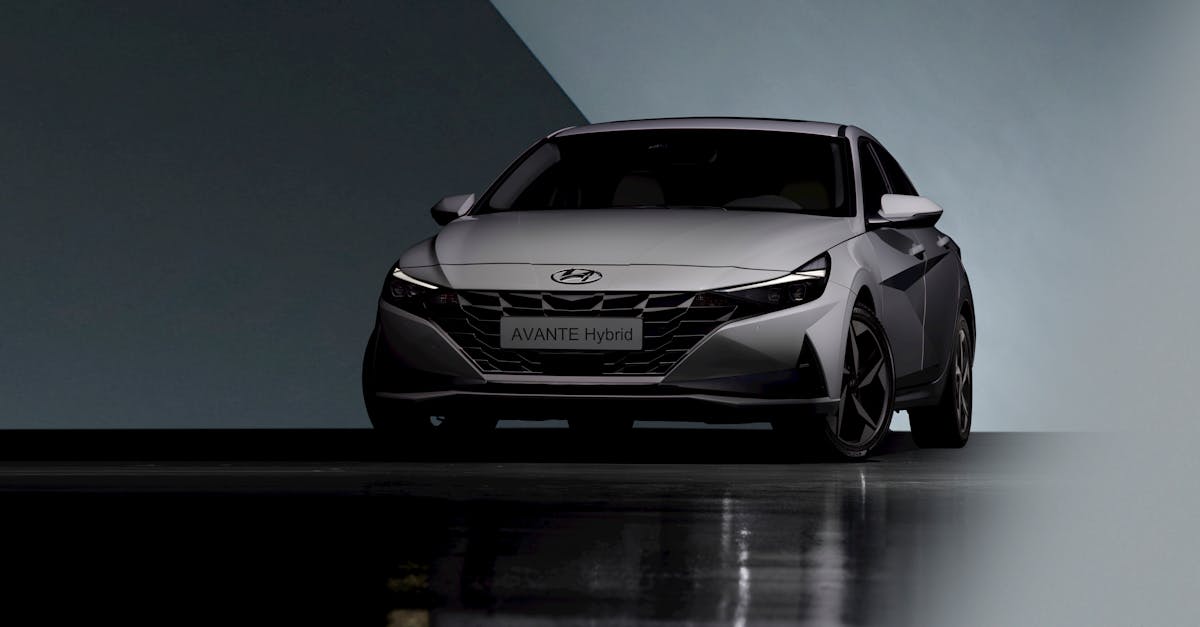
Modern cars are more connected and capable than ever. Infotainment systems, digital dashboards, and a growing suite of driver-assistance features shape daily use and long-term reliability. Over-the-air (OTA) updates keep software current, while data privacy and cybersecurity remain critical considerations as more services rely on connectivity. When evaluating features, focus on real-world reliability, ease of use, and the long-term value of updates.
Expect a matrix of commonly available technologies:
Infotainment with smartphone integration, voice assistants, and wireless charging; ADAS features like adaptive cruise control, lane-keeping assist, and automatic emergency braking; OTA updates for software improvements over time; and connected services that offer remote diagnostics, vehicle location, maintenance reminders, and remote start.
Feature Matrix (high-level)
Infotainment, ADAS, OTA, and connected services should be evaluated for:
- Ease of use and stability of software
- Reliability of safety features in real-world driving
- Privacy settings and data ownership controls
- Warranty coverage for electronics and software
A practical approach is to test-drive with a focus on how features function in everyday tasks: pairing your phone, using navigation, and relying on safety features in familiar routes. Ask about future update timelines and whether features are guaranteed to be available on your model’s lifecycle.
Safety Standards and Ratings: How to Read NHTSA, IIHS, Euro NCAP
Safety ratings help you gauge how well a vehicle protects occupants and pedestrians under real-world conditions. In the United States, NHTSA provides overall and component-specific 5-star ratings, while IIHS conducts rigorous tests for crashworthiness and advanced safety features. In Europe, Euro NCAP offers a similar, independent evaluation. These programs test different scenarios, so a combined view offers the best perspective on overall safety.
How to read the ratings:
- Check the overall star rating and understand what it covers (frontal, side, and rollover tests).
- Review specific test results for AEB, pedestrian protection, and seating/child safety features.
- Note regional differences in test procedures and standard equipment; a high rating in one region may not perfectly translate to another due to different standards and vehicle configurations.
A current insight: as vehicle tech evolves, many safety systems rely on software and sensor integration. You should verify that advanced safety features are standard or offer affordable upgrades and that you understand the limitations cited by the testing organizations. The section below offers a practical reader checklist to verify ratings and compliance in your area.
“Ratings reflect the vehicle’s capability under standardized tests; real-world safety also depends on driver behavior, maintenance, and exposure to hazards.”
Reader Checklist for Ratings
- Verify the model year tested and the exact trim level evaluated.
- Cross-check NHTSA/IIHS/Euro NCAP results and read test notes on limitations.
- Confirm availability of key safety features in your region and their optional vs. standard status.
Maintenance, Costs, and Ownership Economics in 2026
Keeping a car on the road costs more than the sticker price. Maintenance, fuel or charging, insurance, depreciation, and taxes all contribute to lifetime costs. In 2026, the economics of ICE vs. EVs and hybrids continue to evolve as battery costs drop, charging networks expand, and maintenance patterns shift with new technologies. Your plan should consider both typical maintenance calendars and the longer-term implications of battery health, recycling, and resale value.
Typical maintenance involves routine inspections, fluid changes, brake service, tire rotation, and battery/system diagnostics. EVs generally require fewer moving parts maintenance, but battery health and high-voltage system checks become central concerns as vehicles age. Hybrid and PHEV options introduce a combination of ICE and electric component upkeep. Warranties and pricing vary widely by brand and model, so review the specifics for powertrain coverage, hybrid components, and battery warranties in your region.
Lifecycle Notes
Battery degradation is gradual but accumulates with usage and charging cycles. Many manufacturers offer warranties that cover battery capacity thresholds for eight to ten years or a set number of miles, protecting against substantial loss of range. Recycling and second-life uses for batteries are becoming more common, improving overall sustainability and resale value considerations.
Practical planning tips:
- Develop a maintenance calendar with reminders for oil changes, brake fluid, and tire service; schedule batteries and high-voltage checks for EVs.
- Decide between DIY maintenance for basic tasks (tire rotation, fluid checks) and professional service for safety-critical systems.
- Forecast ownership costs with a total cost of ownership calculator that includes charging costs and potential incentives.
Buying and Ownership Tips for a Modern Car

Making a well-informed purchase starts with a structured approach: define your budget, your range needs (if EV), your typical driving patterns, and the climate you live in. Ownership tips emphasize total cost of ownership (TCO), incentives, charging costs, and insurance. Regional considerations—like charging networks, grid reliability, and local regulations—play a big role in the practicality of EVs and hybrids.
A practical evaluation framework includes a structured test-drive that concentrates on comfort, visibility, climate control performance, and the responsiveness of safety features. For incentives, gather information on federal programs, state or municipality rebates, and local utility programs; incentives change often, so verify before committing to a purchase.
Test-Drive and Evaluation Checklist
- Assess seat comfort, cabin noise, and HVAC performance across cooling and heating conditions.
- Evaluate driver-assistance features in common scenarios (highway merging, stop-and-go traffic, parking assist).
- Test charging readiness (for EVs): home outlet compatibility, public charging access, and charging speed expectations.
- Review the warranty terms and what is covered for electronic systems and battery.
Timing strategies for incentives can matter. Automakers periodically adjust promotions and model-year updates; align the timing of a purchase with the release of refreshed models or end-of-quarter salesperson incentives. In Houston and the broader Texas area, region-specific programs may apply through utilities or state agencies—always verify with official sources and trusted local dealers.
Global Trends and Regional Market Shifts
The global automotive landscape is shifting toward electrification, smarter safety tech, and more sustainable production. In the United States, Europe, and China, governments are expanding charging networks, refining safety and emissions standards, and offering incentives to accelerate adoption. Market signals show growing EV model availability across segments, increased hybrid options, and more capable autonomous-vehicle testing in controlled environments.
Regional dynamics matter: grid reliability, electricity pricing, and the accessibility of fast-charging networks influence ownership choices, especially for EVs. In 2026–2027, buyers and fleets should monitor regulatory developments—emissions targets, safety standards, and battery recycling policies—that could impact resale value and total cost of ownership.
Key Regional Watch Points
- United States: Federal incentives and state programs; expanding national charging footprint.
- Europe: Stricter emissions targets and higher adoption of BEVs in urban zones.
- China: Aggressive EV production and fleet integration with domestic charging and battery supply chains.
For readers in the Houston Metroplex or similar markets, local incentives, fuel-pricing dynamics, and grid resilience will strongly influence your ownership scenario. Always corroborate regional programs with official sources before making purchasing decisions.
Visuals, Data, and Expert Sources
This guide emphasizes data-backed insights and practical visuals you can adapt for your needs. Suggested visuals include a powertrain cross-section showing ICE, hybrid, plug-in hybrid, and BEV architectures; a maintenance schedule calendar; and a feature matrix comparing infotainment, ADAS, and connected services across trims.
Trustworthy sources drive credibility. Use figures and insights from NHTSA, IIHS, Euro NCAP, major automakers, and respected industry analysts. Always verify updates as incentives, safety ratings, and standards evolve with new model years.
“Regularly updating your understanding of safety ratings, maintenance needs, and total ownership costs helps you choose a vehicle that remains reliable and valuable over time.”
Recommended Figures to Include
- Powertrain cross-sections or simple diagrams
- Maintenance calendar (monthly, quarterly, yearly intervals)
- Feature matrix showing infotaiment, ADAS, and connected services by category
When publishing visuals, tailor them to local regulations and incentives so readers can verify and apply the data in their area. This keeps the guide practical and regionally relevant.
Conclusion: Takeaways and Next Steps
You now have a structured lens to evaluate cars across categories, powertrains, and technologies, while also thinking about safety ratings, maintenance, and ownership economics in 2026. Use this guide to build side-by-side comparisons, plan a maintenance calendar, and estimate TCO under your regional incentives and electricity costs.
Remember to verify information with local regulations, incentives, and charging networks before finalizing decisions. Keep this guide handy as a living document—update it with new data from NHTSA, IIHS, Euro NCAP, and trusted automakers to stay current.
Ready to turn your unwanted vehicle into quick cash? Kelly Car Buyer, Inc makes it easy to sell almost any type of vehicle—including cars, junk cars, trucks, semi-tractors, and trailers—regardless of condition. Don’t wait to get the best offer—click now to discover how simple and hassle-free selling your vehicle can be, and enjoy fast, top-dollar payouts today!