





Introduction: Cash-for-Cars in 2025 — Local Trends and What You’ll Learn
Local cash-for-cars providers now lean into transparent quotes, flexible pickup options, and on-site payments that you can count on — car on cash: a complete guide to buying a vehicle without financing.
In this guide, you’ll discover how your payout is determined in the Houston market, what credible buyers are actually offering, and how to protect yourself with the right paperwork and timing. We’ll cover current market dynamics, the eco-friendly disposal options many Houston buyers pursue, and practical steps you can take today to maximize your cash while staying compliant with Texas regulations and local disposal rules.
By the end, you’ll know exactly how to navigate the local landscape to get a fair price, a smooth transfer, and a clear path to disposal that aligns with your timeline and environmental values. For readers considering paying cash for their next vehicle, buy car for cash: the essential buyers guide to paying cash for your next vehicle offers extra guidance.
How Much Is Your Car Worth Now? Key Valuation Factors in 2025
Here are the major drivers you should consider as you compare quotes from Houston buyers, including those in markets like cash for cars los angeles.
Vehicle specifics drive the baseline. The year, make, and model set the starting point for any offer. Cars that are newer or have popular, high-demand parts—for example, common repairable engines or widely needed transmission components—tend to attract higher baseline quotes, even if they’re not in pristine condition.
Mileage and mechanical/cosmetic condition matter. Mileage is a blunt but powerful signal: a higher-mileage car generally yields a lower scrap price, while vehicles with less wear and clearer mechanical functionality fetch better numbers. Cosmetic issues, leaks, flood damage, and corrosion visible in the Houston climate (humidity, humidity-driven rust) can reduce offers unless the buyer sees salvageable value in the components.
Drivetrain and powertrain health. Gas, diesel, hybrid, and EV drivetrains influence value differently. Houston buyers increasingly appraise EVs on battery health and range data, while donor-part buyers focus on engines and transmissions that still have usable life. If you’re selling an EV or plug-in, battery condition information—when available from your vehicle’s data stream—can shift the quote upward or downward depending on the buyer’s ability to source replacement packs or use salvageable modules.
Regional demand and scrap-metal dynamics. Local demand for removal and recycling, plus the volume of vehicles entering the market at any given time, can push quotes up or down. In the Houston area, the supply chain for recyclable parts and the capacity of nearby dismantlers influence how aggressively buyers bid for cars in various conditions. Keep an eye on seasonal demand spikes (e.g., after hurricane-related vehicle losses) and broader commodity cycles that affect recyclables pricing.
Newer trends to track. Battery health data and modular component sales are reshaping how EVs and hybrids are valued. Some buyers will pay more for donor parts that can be reused or resold, while others offer salvage-based payouts that reflect the limited life remaining in the battery or unique modules. Be prepared to provide documentation or a straightforward condition report so the appraiser can assess recyclability and transferable value accurately.
Top Local Cash-for-Cars Provider Types to Consider
Houston offers a spectrum of options, from national chains with standardized processes to independent yards that specialize in parts, recycling, or mobile pickups. Understanding the strengths and trade-offs of each type can help you choose a partner you trust—and that pays fairly. Below are the main provider types you’ll encounter locally.
National chains with local depth. National brands often have a robust online quote system paired with a strong local presence and proven pickup logistics. They’re reliable for quick quotes and rapid pickup, but the final offer may hinge on how accurately your vehicle’s condition is described online versus during an in-person inspection in Houston. If you value speed and consistency, a national chain is a solid starting point.
Local independents and salvage yards. Local yards tend to be more flexible on scheduling and can offer higher payouts for salvageable parts or complete vehicles that still have resale value. They’re also more likely to tailor options to your situation, such as arranging same-day pickup or helping with title-transfer nuances specific to Texas counties. If you have time to compare, local independents can outperform larger brands on a vehicle-by-vehicle basis.
Mobile pickup services. Mobile buyers come to you, appraise on-site, and often deliver same-day payouts. This is especially convenient when you’re juggling work, kids, or a busy schedule. For Houston residents, mobile options can reduce stress around towing and logistics, but confirm whether the on-site appraisal is binding or subject to a post-visit recheck once your documents are reviewed.
Dealers and repair shops with cash-for-cars programs. Some dealers refresh inventory by purchasing junked or older cars for parts or refurbishment. In Houston, this can be a fast route if you’re looking to streamline the process and avoid dealing with multiple intermediary buyers. Expect the quotes to reflect their internal needs for specific parts or vehicles in inventory, which can be favorable if your car matches a high-demand donor profile.
Online quote tools vs. in-person inspections. A common approach is to start with an online estimate and then complete an in-person inspection to confirm fair value. This dual-path approach helps you understand the range you should expect and ensures you’re not misled by an online quote that doesn’t account for Houston-specific issues like rust-prone areas or maintenance records that matter to buyers here.
How to Maximize Your Payout: Practical Prep Steps

Maximizing your payout in Houston comes down to preparation, transparency, and timing. By organizing documents, accurately representing the vehicle, and shopping around, you’ll reduce friction and improve the likelihood of a fair offer. Here are practical prep steps you can take today.
Gather documents up front. You’ll typically need the vehicle title, a valid photo ID, lien-release paperwork if there’s an outstanding loan, and any recent loan payoff information. In Texas, you’ll also want to verify that the name on the title matches your ID and that any lien is resolved prior to finalizing with the buyer. Having everything ready speeds up the transfer and payout.
Remove personal items and present an honest condition report. Clean out the interior, remove valuables, and keep the exterior in reasonable condition for its age. Provide an accurate description of mechanical issues (engine leaks, transmission problems, flood or flood-year water exposure) and cosmetic defects. Understating issues can lead to disputes or offer reductions after inspection, so transparency pays off.
Get multiple quotes and compare terms. Don’t settle for the first offer. Start with online quotes to establish a baseline, then schedule in-person inspections with at least two or three buyers. Compare not just the price, but pickup timelines, whether towing is included, how the title transfer is handled, and any after-sale disposal commitments.
Be honest about issues and specific conditions. If there are known problems (leaks, nonfunctional airbags, flood or rust damage), disclose them in writing. This reduces post-transaction disputes and helps ensure the final payout truly reflects the vehicle’s condition. It also helps the buyer plan for safe disposal or salvage options consistent with Texas regulations.
Timing can influence speed and price. Scheduling flexibility matters. If you can accommodate a weekday pickup window or a same-day appointment, you may secure a higher offer or a faster payout. Some buyers reserve weekend slots for customers with tighter timelines, so communicate your desired timeline clearly when you request quotes.
Regulatory and Paperwork Essentials for Local Transactions
Texas and Houston-area regulations require careful handling of titles, liens, and environmental considerations. This section covers the essential steps you’ll encounter as you move from quote to payout, with emphasis on accuracy and compliance to minimize delays or pitfalls.
Understand title transfer requirements. In Texas, you typically sign the back of the title, record the odometer disclosure if applicable, and ensure the buyer’s information is correctly captured. If there’s a lien, you’ll need proof of payoff or a lien release. For Houston buyers, confirm whether they handle title processing locally or require you to submit documents to a state portal.
Resolve liens before finalizing. If your car still has an outstanding loan, contact the lender to obtain payoff quotes and confirm that the lien will be released upon payment. Don’t proceed with the sale until you have written confirmation of lien satisfaction; otherwise, you may encounter title-transfer delays or disputes after payout.
Be mindful of environmental or disposal regulations. Depending on the vehicle’s condition, certain fluids (oil, coolant, brake fluid) and components (batteries, capacitors in EVs) require proper handling. The Texas Commission on Environmental Quality (TCEQ) and local Houston programs provide guidelines on how discarded fluids and batteries should be managed, recycled, or disposed of to avoid penalties and environmental harm.
Understand taxes and reporting implications. In a typical cash-for-cars transaction, you’re disposing of a vehicle for cash rather than selling it privately. The buyer’s reporting and your records may differ, but generally, you should retain the bill of sale, title transfer documents, and proof of payout for tax purposes. If you’re unsure, consult a local tax professional who understands Texas rules for vehicle transactions.
Eco-friendly Disposal and Recycling Options
Houston buyers increasingly emphasize environmental responsibility. The right choice isn’t just about getting the most money today; it’s about ensuring the vehicle’s components are recycled or reused when possible, with responsible handling of fluids and batteries. Here’s how to align your sale with eco-friendly practices.
Prioritize buyers who re-sell usable vehicles and parts. Look for buyers who document how they salvage or resell usable components rather than simply crushing everything. Reputable buyers will outline how they extract and re-use engines, transmissions, and other parts, supporting Houston’s broader recycling goals while often preserving more value for you as the seller.
Battery and EV component considerations. If you’re selling an EV or hybrid, ensure the buyer has a registered process for battery disposal or reconditioning. Battery health data is increasingly important to buyers; confirm their recycling partner network and whether they can provide replacement or refurbishment options for battery modules where feasible.
Fluid disposal and hazardous waste handling. Reputable buyers follow Texas environmental guidelines for disposing of oil, coolant, and other automotive fluids. They should provide documentation showing fluids were collected and sent to certified recyclers. If you’re unsure, ask for a disposal certificate or a recycling acknowledgment before finalizing the deal.
Documentation of environmental compliance. Request certifications or reports from the buyer that verify environmental compliance and proper disposal practices. This protects you and helps Houston maintain its environmental standards as more vehicles circulate through the recycling stream.
Current Trends Impacting Payouts and Availability in 2025
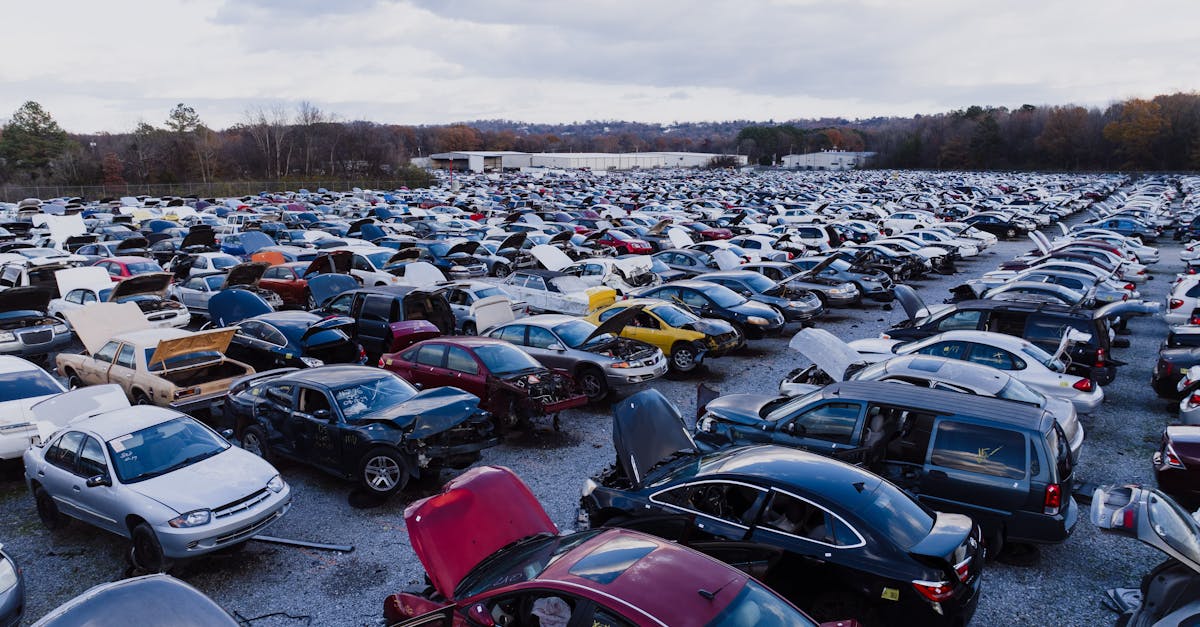
Market dynamics in 2025 are shaped by sustainability priorities, evolving EV valuations, and local capacity for processing end-of-life vehicles. In Houston, these trends influence how much you’ll be paid and how quickly you’ll receive it. Here are the key directions you’ll want to watch.
Growing emphasis on sustainable lifecycle management. Buyers increasingly prefer salvage and recycling pathways that maximize reuse of parts and minimize waste. This shift tends to favor sellers who have well-documented vehicle condition and who provide clear information about parts that can be reused or resold, rather than a one-size-fits-all salvage approach.
EV and hybrid valuations shift with battery health data. As battery diagnostics become more accessible, buyers factor battery health and remaining range into offers. Vehicles with healthier batteries or repairable packs may command higher quotes in Houston’s market, while those with degraded packs may see lighter offers but still a viable path to quick cash through donor-part networks.
Regional supply/demand fluctuations tied to capacity. Local recycling capacity and scrap-metal markets influence pricing for end-of-life vehicles. In Houston, fluctuations in metal prices and the availability of nearby dismantlers can tilt quotes up or down. If a large number of vehicles are entering the stream at once, you may see more competitive offers, especially from buyers who can integrate rapid pickup with on-site payments.
Red Flags: What to Watch Out For
Protect yourself from common scams and unfair practices by knowing what to avoid. A few warning signs can save you time, stress, and money when you’re selling a vehicle for cash in the Houston area.
Lowball offers, hidden fees, or towing charges not disclosed upfront. If a quote seems unusually low or if the buyer adds towing charges only after you’ve agreed to a price, walk away. Reputable Houston buyers spell out all costs and show how the final payout is calculated before you sign anything.
Pressure tactics or promises of instant cash without proper documentation. Any buyer who tries to rush you through the paperwork or skip standard steps (title transfer, lien release, and disposal details) should raise alarm bells. Take your time to compare offers and insist on written terms for every step of the transaction.
Lack of transparency around title transfer, lien resolution, or disposal methods. If a buyer can’t clearly explain how title will be transferred, whether liens will be released, and how the vehicle will be disposed of, you’re likely dealing with an unreliable operation. Prioritize providers with clear, step-by-step processes and written disclosures.
Step-by-Step Process: From Quote to Payout
Understanding the typical flow helps you manage expectations and stay organized. Here’s a practical, Houston-focused walkthrough from first quote to final payout.
Step 1: Obtain multiple quotes. Start with online estimates to establish a baseline and then schedule in-person inspections with at least two buyers to confirm value. Ensure each quote explicitly states whether towing is included and what documentation you’ll need to finalize the sale.
Step 2: Schedule pickup or drop-off and confirm required documents. Coordinate a pickup window that matches your availability. Have the title, ID, lien-release (if applicable), and any payoff letters ready. Confirm the pickup method and whether you’ll receive payment on-site or by another method after the transfer is completed.
Step 3: Transfer title and complete lien payoff paperwork. Sign the title, record required odometer disclosures, and provide any necessary lien-release documents. If you have a loan, obtain confirmation of payoff and ensure the lien will be released to clear the title for the new owner.
Step 4: Vehicle inspection or appraisal at pickup; receive payout. The buyer will inspect or appraise the vehicle to verify condition. Payout methods may include cash, check, or electronic transfer. Make sure you receive a receipt and a written summary of the final offer, including any deductions for documented issues.
Step 5: Confirm final disposal and keep records for taxes. Ensure the vehicle is transferred properly, and request disposal or recycling documentation. Retain all documents—title receipts, lien releases, and payout records—for tax purposes and your records. This helps avoid questions from lenders or the DMV later.
City/Region-Specific Tips and Local Resources
When you’re navigating cash-for-cars in the Houston area, a few region-specific steps can make the process smoother and more reliable. Use these tips to verify legitimacy and access local resources designed to protect consumers and promote responsible disposal.
Check with local consumer protection and state guidance. Look up guidance from the Texas Department of Justice and the Texas Attorney General’s consumer protection resources for tips on legitimate cash-for-cars operators and to report suspicious activity. Local Houston-area consumer protection offices can offer region-specific advice about scams and legitimate practices in Harris County.
Utilize Houston-area recycling programs and certified dismantlers. Prefer buyers who partner with certified dismantlers and recyclers in the Houston metro area. They should provide documentation that parts and fluids are disposed of through licensed channels, aligning with TCEQ guidelines and local environmental standards.
Explore incentives and programs for waste vehicle disposal and EV battery recycling. Texas and Houston-area programs may offer incentives or guidance for proper disposal of end-of-life vehicles and batteries. Check with state and local authorities for any current programs aimed at incentivizing responsible recycling and safe handling of hazardous components.
Documentation and records for taxes and compliance. Keep a comprehensive packet: the bill of sale, title-transfer confirmations, lien releases, payout receipts, and disposal documentation. These records simplify tax reporting and protect you if questions arise from lenders or the DMV after the sale.
Ready to turn your unwanted vehicle into quick cash? Kelly Car Buyer, Inc makes it easy to sell almost any type of vehicle—including cars, junk cars, trucks, semi-tractors, and trailers—regardless of condition. Don’t wait to get the best offer—click now to discover how simple and hassle-free selling your vehicle can be, and enjoy fast, top-dollar payouts today!