




In this Introduction, yes, we outline how the process works.
Throughout, you will see how a trusted local partner—like Junk Car Chicago—can simplify the journey with free towing, quick payments, and transparent transactions that keep you in control by following the yes page.
What qualifies as a junk car?
The concept is practical: if a car would cost more to fix than it’s worth in value today, it’s a strong candidate for junking, parting out, or recycling — and if you’re considering selling it for cash, you might explore cash for junk cars san to learn more.
How to determine current scrap value
The value of a junk car is driven by several factors that can be summarized as: weight-based metal content, the potential value of high-demand components, and the cost (or savings) associated with disposal. Here are the key value drivers and a practical method to estimate what your car might fetch:
Key value drivers
Weight-based metal content: Scrap yards pay for the vehicle’s total metal weight, with steel and aluminum contributing most of the value. The weight-based portion fluctuates with global metal markets and regional demand. Roughly speaking, heavier, steel-dominant vehicles yield more in metal value, especially if they’re missing valuable components. Metal price indices are published by organizations like ISRI and regional commodity exchanges, and they trend with industrial demand.
Catalytic converters: Catalytic converters contain precious metals and are among the most valuable salvage components. A car with an intact, high-demand converter can significantly boost its overall quote. Expect the converter’s value to vary with metal prices and converter type.
Batteries and tires: Lead-acid batteries have consistent salvage value, while tires can contribute modest value if recyclable rubber markets are favorable. If your vehicle has rare battery chemistries or specialty tires, you may see a higher payout.
Other components: Electronics (ECMs/ECUs), transmissions, engines, and other salvageable parts can add meaningful value, especially if a buyer plans to repair or resell. Inventory shortages or regional demand for specific parts influence these values.
Practical estimation method
1) Check local scrap prices: Call or request quotes from multiple yards to gauge the current range in your area. 2) Estimate weight: If you know your car’s curb weight, you can approximate the metal portion’s base value by applying the current per-pound scrap rate (often posted by yards or metal price trackers). 3) Add value for high-demand parts: If the car has a salvageable engine, transmission, ECU, or rare components, include estimated resale value. 4) Consider disposal costs: Some buyers include towing or administrative fees; others pay more upfront but deduct fees later. 5) Compare several offers: Getting quotes from at least three buyers helps you identify the best overall deal, not just the highest upfront payment, because terms like towing, title handling, and fluids disposal matter for net value.
Prices vary regionally and change weekly with metal markets. Keep in mind that a quick sale to a cash-for-junk-car service can beat a longer process of trying to part out a vehicle by yourself. A local expert—such as Junk Car Chicago—can provide transparent quotes and free towing, helping you anchor value in practicality rather than guesswork.
Regulatory and environmental considerations
Disposing of an old vehicle isn’t just about getting paid; it’s also about doing the right thing legally and environmentally. Improper handling can expose you to liability, environmental harm, and unnecessary delays. Here are the core regulatory and environmental considerations to guide your decisions:
Title transfer and lien clearance
Before selling or transferring ownership, make sure the title is clear of liens and properly transferred to the buyer or recycler. If a lien exists, you may need to work with the lienholder to release it and obtain the required documentation. A smooth title transfer protects you from future liability and ensures the buyer can complete the sale without friction.
Hazardous materials and fluids
Vehicles contain hazardous fluids (gasoline, oil, brake fluid, antifreeze) and refrigerants that must be managed by licensed recyclers and disposal facilities. Regulators require proper capture, recovery, and recycling to prevent environmental contamination. Reputable buyers will typically drain and responsibly dispose of these materials as part of the disposal process, often with documentation that proves compliance.
Abandoned vehicles and disclosures
Local rules often define abandoned vehicles as a nuisance and provide specific steps for owners or property managers to reclaim or dispose of them. If you’re disposing on private property, document the vehicle’s status, check local ordinances, and disclose any known issues to potential buyers. Honest disclosures help avoid disputes and speed up the transaction.
Weight vs value: should you scrap or sell as-is?
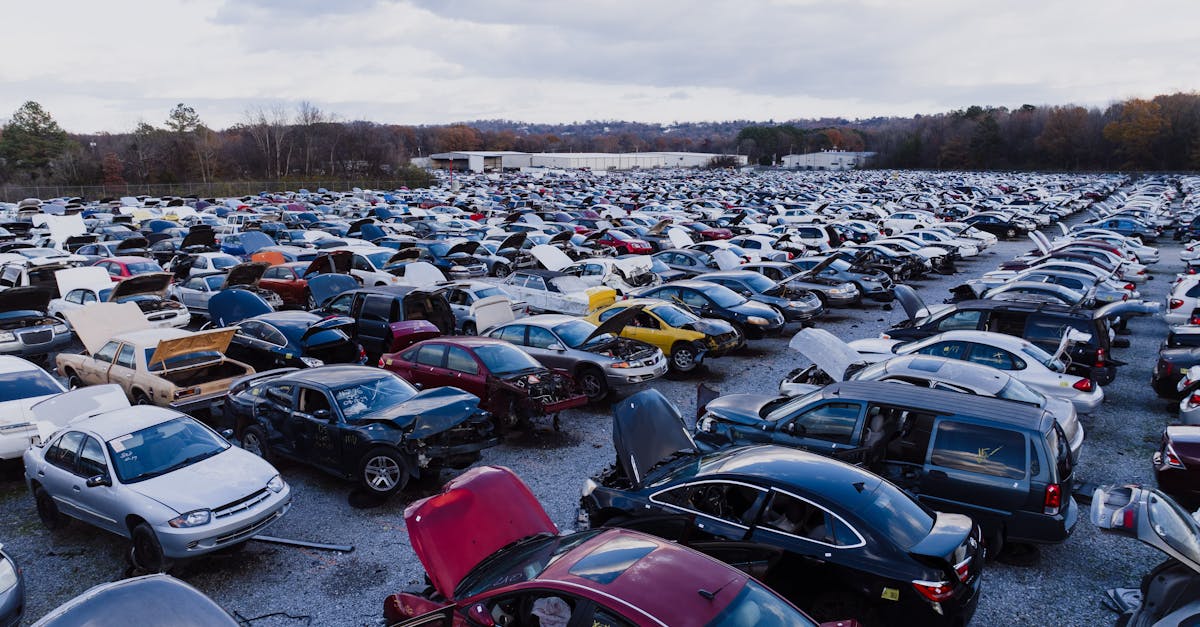
Choosing between scrapping the car for metal value and selling it as-is depends on time, costs, and what you’re hoping to accomplish. Here are practical considerations to help you decide:
When scrapping may be preferable
If the vehicle is mostly metal with few salvageable parts, and you want a quick, no-hassle transaction, scrapping often yields a predictable, fast payout, especially when you factor in free towing and the avoidance of a lengthy teardown process.
When selling as-is may be preferable
If some components hold high resale value (engine, transmission, electronics), or you’re comfortable coordinating part-out logistics, selling as-is to a cash-for-junk-car service or a salvage yard can maximize overall proceeds. The right buyer may extract value from individual parts more efficiently than you can, while handling towing and paperwork.
A mixed approach
A practical compromise is to partially dismantle the car—remove high-demand parts for resale, then recycle the remainder. This approach often strikes a balance between maximizing return and minimizing effort, especially when you have the time or access to a reliable parts market.
Selling options in the digital age
Today’s selling landscape blends traditional yards with digital marketplaces that streamline quotes, pickups, and payments. The goal is to reduce the friction of disposal while maximizing convenience and value. Here are common routes and what to expect:
Digital platforms and networks
Online platforms connect you with cash-for-junk-car buyers, salvage networks, and local yards. They enable quick quote accumulation, scheduling, and often free towing. Popular names in the space include platforms like Peddle and networked salvage marketplaces that partner with local recyclers. These platforms help you compare offers quickly and choose the best overall deal, including factors like towing and title handling.
Tip: When using digital platforms, verify the buyer’s legitimacy, confirm payment methods, and ensure the platform explicitly covers title transfer and fluids disposal to avoid surprises at pickup.
Traditional options
Older routes—local scrap yards and junk car removal services—remain viable, especially in markets where in-person evaluation yields quick, direct quotes. With traditional options, you may gain the advantage of in-person checks and more nuanced negotiations about parts or service terms. Junk Car Chicago, for example, emphasizes free towing, quick, transparent transactions, and straightforward documentation for residents across the Chicago area.
Practical tips for digital selling
Obtain multiple quotes, confirm towing terms, and verify how the sale will handle title transfers and fluids disposal. Ask about payment timing (same-day vs. a scheduled payout), and request a written quote or contract before committing. If possible, compare the quotes to get a sense of the range you should expect in your market.
How to compare junk yards and cash-for-junk-car programs
Not all buyers are created equal; the cheapest upfront offer can come with hidden costs or less favorable terms. A structured comparison helps protect you from scams and ensures you receive fair value. Use these steps to create a clear apples-to-apples comparison:
Gather multiple formal quotes
Request quotes from at least three buyers. Ensure each quote is comprehensive and includes towing, title transfer handling, fluids disposal, and any required paperwork. A fully itemized quote makes comparisons meaningful.
Clarify fees and inclusions
Ask whether towing is included, whether there are title transfer fees, and how fluids disposal is handled. Some buyers offer higher base quotes but impose post-quote fees; others provide a lower headline offer with all-inclusive terms.
Assess reputation and legitimacy
Check customer reviews, licensing, and affiliation with professional associations. Avoid buyers who pressure you to rush decisions or request unusual forms of payment. A legitimate, transparent operation will explain each step and provide documentation you can keep for records.
A step-by-step process to dispose of a junk car

Disposing of a junk car can be straightforward when you follow a simple, repeatable sequence. Here’s a practical step-by-step workflow you can adapt to your situation:
Step 1: gather documents
Collect the title, proof of ownership, and a valid photo ID. If the title is missing or there’s a lien, contact the lienholder or local DMV to determine required steps for release or replacement. This foundation keeps the entire process moving smoothly.
Step 2: obtain quotes and select the best option
Reach out to multiple buyers, comparing total net proceeds rather than just the headline price. Consider towing terms, paperwork, and timing. Choose the offer that balances the highest net value with dependable service and clear terms.
Step 3: schedule pickup or drop-off and complete paperwork
Coordinate a pickup time that fits your schedule or arrange a drop-off if you prefer. Ensure you receive payment as agreed before handing over ownership and removing plates. Don’t forget to remove license plates and cancel or transfer insurance as appropriate to avoid ongoing charges or liability.
Step 4: post-sale and compliance steps
Keep copies of all documents, including the bill of sale, title transfer (or receipt of ownership transfer), and any receipts for fluids disposal. If you dismantled parts, inventory what’s left and confirm any guarantees or warranties offered by the buyer for the parts sold.
Current market trends and what they mean for you
Market conditions for junk cars are shaped by broader recycling, environmental, and automotive trends. A few current themes help you navigate decisions with confidence:
Growing emphasis on recycling and environmental responsibility
Regulators and industry groups are prioritizing safe, responsible disposal practices. Recyclers are increasingly adopting standardized procedures for capturing hazardous materials and ensuring end-to-end traceability. This shift supports safer neighborhoods and improved community trust in junk-car transactions.
Volatility in scrap prices, but ongoing demand for recycled materials
Metal markets fluctuate with global demand, trade dynamics, and regional supply. While prices can move weekly, the overall demand for recycled steel, aluminum, and other metals provides a reliable baseline for scrap value over time. Buyers often rely on metal price indices published by industry bodies to set fair quotes.
Digital platforms accelerating convenience and transparency
Online marketplaces and networked recyclers streamline quotes, scheduling, and payments. For property managers or landlords disposing of multiple vehicles, these platforms can dramatically reduce coordination time, delivering faster cash and documentation to support financial planning and compliance records.
Safety, liability, and common pitfalls
Disposing of a junk car comes with safety and liability considerations that you can mitigate with careful planning. Common missteps can cost time or money, but they’re avoidable with clear steps and diligence:
Secure the site and avoid unsafe locations
Don’t park junk cars in high-traffic areas or public spaces where debris or leaking fluids pose a risk. If the vehicle is on a site being vacated or repurposed, secure the area to prevent unauthorized access and potential accidents.
Don’t sign over a title before payment is confirmed
To protect yourself from scams, only transfer ownership once you have clear confirmation of payment. A legitimate buyer will honor the agreement regardless of timing and will provide a proper receipt and records of transfer.
Proper handling of fluids and hazardous materials
Work with licensed facilities for draining and disposing of fluids and refrigerants. Mishandling can cause environmental harm and legal exposure. Reputable buyers typically handle this step, but you should confirm it as part of the quote and paperwork.
What to do with the vehicle’s parts and fluids
Maximizing value while staying environmentally responsible often means a strategic mix of parting out and recycling. Here’s how to approach parts and fluids responsibly:
Part out valuable components
Identify high-demand parts such as the engine, transmission, ECU, alternator, and electronics. Inventory what’s salvageable and store or catalog items for potential buyers. Parting out can yield higher overall value than a straight metal sale when you have the right demand and logistics.
Drain and recycle fluids and components
Drain engine oil, coolant, brake fluid, and refrigerants using licensed facilities. Maintain records of disposal to support compliance. Recycle batteries, tires, and catalytic converters through certified recyclers and document the process for your records or audits.
Keep track of inventory for buyers
Document remaining components with photos and notes on condition. Clear inventories help buyers place accurate offers and prevent disputes at pickup or payment time.
Resources and tools
Utilize a mix of official guidance, market data, and practical platforms to support your disposal decisions. The right combination helps you stay compliant and informed while maximizing value.
Regulatory guidance
Consult local DMV or transport authority resources for official guidance on vehicle disposal and title transfer. These sources outline required forms, fees, and steps to ensure a legitimate transaction in your jurisdiction.
Market data and price trackers
Use metal price trackers and scrap price indices to gauge current baseline values for steel, aluminum, copper, and other metals. While regional quotes will ultimately determine your final offer, price trackers help you set realistic expectations and negotiate confidently.
Online marketplaces and platforms
Explore platforms that connect you with buyers and salvage networks (e.g., Peddle, Copart, IAA) to obtain quotes, arrange pickups, and monitor the disposition process. These tools can dramatically speed up what used to be a multi-day or multi-week process.
FAQ
Can I junk a car with a missing or lost title?
Yes, but the process is more complicated. You’ll typically need to obtain a replacement title or work with the buyer to confirm ownership through other documentation. Local regulations vary, so check with your DMV and a reputable buyer for the specific steps required in your area.
Do junk car buyers tow the car for free?
Many legitimate buyers include free towing as part of their offer, which can significantly reduce your effort and transportation costs. Confirm towing terms in writing when you receive a quote to avoid surprise fees at pickup.
How quickly can I expect payment after disposal?
Payment timing varies by buyer and platform. Reputable buyers often provide same-day or next-day payment after pickup and proper paperwork. If you need funds urgently, prioritize quotes that specify immediate payment methods (e.g., cash on pickup, instant bank transfer) and ensure the terms are clearly stated in writing.
What is the best strategy for maximizing value?
There isn’t a one-size-fits-all answer. In many cases, a mixed approach—parting out valuable components, recycling the rest, and using a reputable cash-for-junk-car service for the final sale—can maximize overall proceeds while minimizing effort. Always compare multiple quotes and consider the total value, including towing and disposal fees.
If you’re in the Chicago area and want a trusted, transparent option, Junk Car Chicago offers free towing, quick payments, and dependable service to help you dispose of junk, salvage, or old vehicles with ease. The process is designed to be hassle-free for owners, property managers, and landlords alike, delivering value and peace of mind from start to finish.
Ready to turn your unwanted vehicle into quick cash? Kelly Car Buyer, Inc makes it easy to sell almost any type of vehicle—including cars, junk cars, trucks, semi-tractors, and trailers—regardless of condition. Don’t wait to get the best offer—click now to discover how simple and hassle-free selling your vehicle can be, and enjoy fast, top-dollar payouts today!