





Introduction: Junk Cash in 2026 — What It Is and Why It Matters
In 2026, junk cash remains a real concern for households and businesses alike—especially when you’re dealing with old or unwanted vehicles and need quick, on-site payments in the Houston Metroplex; for owners looking to turn a junk car into cash, junk car for cash: the ultimate buyer’s guide to getting top offers and quick pickup can help you navigate the best offers and fastest pickup.
This guide offers a current, practical overview: how to identify junk cash, how to handle it safely, where to redeem it, and how evolving payment trends influence your cash management practices, including a look at easy loan. cheerful young woman pointing at dollar bills in hand.
Whether you’re selling a junk car, coordinating on-site pickups, or just cleaning out a shoe box of notes, you’ll find actionable steps to simplify the process, stay compliant, and protect against counterfeit or severely damaged notes. The focus stays grounded in real-world scenarios you’re likely to encounter in Harris County and the broader Houston area, with clear guidelines you can apply today.
What Counts as Junk Cash? Damaged, Worn, and Counterfeit Notes
Damaged or mutilated notes
Damaged notes include torn, water-damaged, soiled, or badly creased bills. If a note has irregular edges, missing fragments, or severe staining, its condition may complicate redemption at traditional banks. The defining idea is that the note’s value remains uncertain to the teller or currency processor, which can affect acceptance. When you encounter damaged notes, separate them from pristine currency and prepare to present them through official redemption channels. In many cases, mildly damaged notes can still be exchanged or deposited, but the extent of damage governs the process.
If you’re unsure, don’t spend or pass the note; for NYC readers seeking quick cash options beyond currency redemption, you might also explore junk car for cash nyc.
Counterfeit notes
Counterfeit notes are a risk in any cash-handling environment. Common indicators include unexpected colors, off-center or blurry features, and inks or patterns that don’t align with genuine currency design. Modern notes incorporate security features such as watermarks, security threads, color-shift ink, and microprinting. If you suspect a note is counterfeit, do not pass it along. Isolate the note, avoid handling it unnecessarily, and contact your bank or local authorities for guidance. Even a single counterfeit can expose you to penalties if circulated, so prompt action is essential.
Identification cue: rely on a combination of visual checks, tactile feel, and official security features. Counterfeit detection devices or UV lamps can assist, but they are supplementary and not definitive. When in doubt, defer to an official evaluation rather than taking a risk with others’ money.
Common Sources of Junk Cash
Everyday handling and storage mistakes
Most junk cash comes from everyday wear and mishandling. Folding notes excessively, exposure to moisture or soil, and improper storage in damp containers or vehicles can accelerate deterioration. Household cash junk is common for people who keep loose bills in wallets, jars, or glove boxes. In the context of selling a vehicle, a stack of notes that have been crumpled or stained can draw scrutiny from banks or customers. The practical takeaway is simple: create a designated, secure place for cash, and separate damaged notes from pristine currency before banking or exchange.
Practical tip: sort cash by condition before deposits or handoffs. A clean separation makes the redemption process faster and reduces questions about legitimacy or value.
High-turnover environments
Cash handling in high-traffic settings—such as payment terminals at car lots, quick-service locations, transit hubs, and busy retail—accelerates wear and misfeeds. In these environments, notes frequently pass through several hands and devices, increasing the chance of folds, wrinkles, and contamination. For junk car transactions, where you may deal with large volumes of cash quickly, implementing simple intake procedures and routine checks can help prevent minor damage from becoming a barrier to redemption.
Practice tip: train staff to separate damaged notes at intake and document the condition of currency as part of the transaction record.
Counterfeit infiltration channels
Counterfeit notes can enter circulation through legitimate-looking channels, including casual marketplaces or informal cash deals. While counterfeit risk exists in any economy, it is heightened in fast-paced exchanges where informal buyers and sellers meet. Being vigilant about where your cash comes from—especially when purchasing or accepting cash from unknown individuals—helps reduce exposure. Banks and law enforcement encourage proactive reporting of suspicious notes to prevent broader circulation.
Warning sign: a cascade of suspicious notes from a single source or notes showing unusual wear patterns together may indicate a counterfeit risk. When in doubt, refuse the bill and seek verification through official channels.
How to Identify Damaged vs Counterfeit Notes

Visual and tactile checks
Begin with a careful visual inspection: look for irregular edges, tears, stains, or discoloration. Next, feel the note for texture and feel the raised print on the denomination and security features. Genuine currency has a distinct tactile and visual profile that counterfeit notes often fail to replicate. Cross-reference serial numbers when possible and compare the note to a known-good exemplar from the same denomination.
Quick rule: if a note looks suspicious or feels off, treat it as potentially invalid until verified by a bank or currency verifier. This approach protects you and your customers from accidental circulation of questionable notes.
Tools and verification devices
Utilize available tools to aid assessment, such as UV lights to reveal security features, magnifiers for microprinting, and official currency verification devices used by many banks. Counterfeit pens provide supplementary checks but are not definitive; they can produce false positives or negatives. Rely on a combination of tools and professional verification for the most accurate results.
Best practice: always verify with a trusted institution before accepting or depositing notes that raise doubts about authenticity.
What to do if counterfeit is suspected
Do not pass the suspected note. Isolate it and place it in a separate container to prevent accidental exchange. Contact local law enforcement or your bank for guidance, and report the incident to the appropriate authorities (for the U.S., agencies such as the Secret Service handle counterfeit currency matters). Banks may provide guidance on next steps and may require you to complete a report or form for processing the incident.
Important: handling and reporting counterfeit notes promptly reduces risk for you and others and helps maintain the integrity of local cash ecosystems.
Handling Junk Cash: What to Do at Home and in Business
Separation and documentation
Keep damaged notes separate from pristine cash and document the condition of each note or bundle. When you later redeem or deposit, banks or currency handlers may apply different criteria depending on the extent of damage. A clear paper trail helps you understand what can be redeemed and under what terms. Gather any relevant receipts or records showing how the notes were obtained or stored, especially if you are handling cash from multiple sources.
Best practice: maintain a simple inventory log that notes the date, denomination, and observed condition of notes before submission.
Bank and official redemption options
Most banks will redeem mildly damaged notes at face value or exchange them for undamaged currency. Heavily damaged notes may require submission through official channels—typically through the Federal Reserve Banks or designated currency processing centers—depending on the jurisdiction. Contact your bank first to understand their policies, as well as any required forms and the expected processing timelines. If a note cannot be redeemed locally, your bank will guide you to the appropriate national redemption pathway.
Tip: always verify the redemption pathway and any fees with your bank before sending notes through non-bank channels.
Record-keeping and submission guidance
Document every submission with a record of the note count, total face value, and the condition description. Request a receipt or confirmation from the submitting institution. For highly damaged notes, ask about submission forms and the expected processing timeline. Maintaining meticulous records reduces the risk of disputes and ensures a smoother redemption experience.
Redemption and Exchange Options Today
Bank and credit union redemptions
The primary path for most people is to deposit or exchange damaged notes at a bank or credit union. Banks participate in currency processing and redemption through their network with central processing facilities. In many cases, mildly damaged notes are accepted for exchange or deposit at face value. If the damage is beyond typical wear, the bank can advise whether the note can be redeemed on-site or needs to be routed through an official program. For fast transactions, local banks in the Houston area often offer same-day processing when the notes are in reasonably good condition.
Action item: call ahead or check your bank’s online policies to confirm acceptance criteria and documentation requirements before visiting with a pile of damaged cash.
Redemption through government authorities for severely damaged notes
Severely damaged notes may require official redemption through national authorities, such as currency processing centers or treasury-related agencies. Processing times can vary from days to weeks, depending on the extent of damage and the volume of submissions. Your bank can provide guidance on the proper forms and anticipated timelines. This route ensures that you receive value appropriately and compliantly, even when notes are heavily compromised.
Reality check: the official redemption route is the most reliable way to recover value from severely damaged currency, but plan for potential delays if you are dealing with a large batch.
Private cash-handling services and currency processing providers
Private firms exist to handle currency processing and redemption outside of banks, but these services are regulated and may charge fees. Before engaging any private processor, verify their licensing, accreditation, and the terms of service with your bank. If possible, seek recommendations from your bank or local business associations in the Houston area to avoid undisclosed charges or questionable practices. When in doubt, prioritize bank-based redemption channels for speed, safety, and accountability.
Recommendation: always confirm legitimacy and any fees with your bank before using private processors to redeem damaged cash.
Regulatory Guidance and Compliance
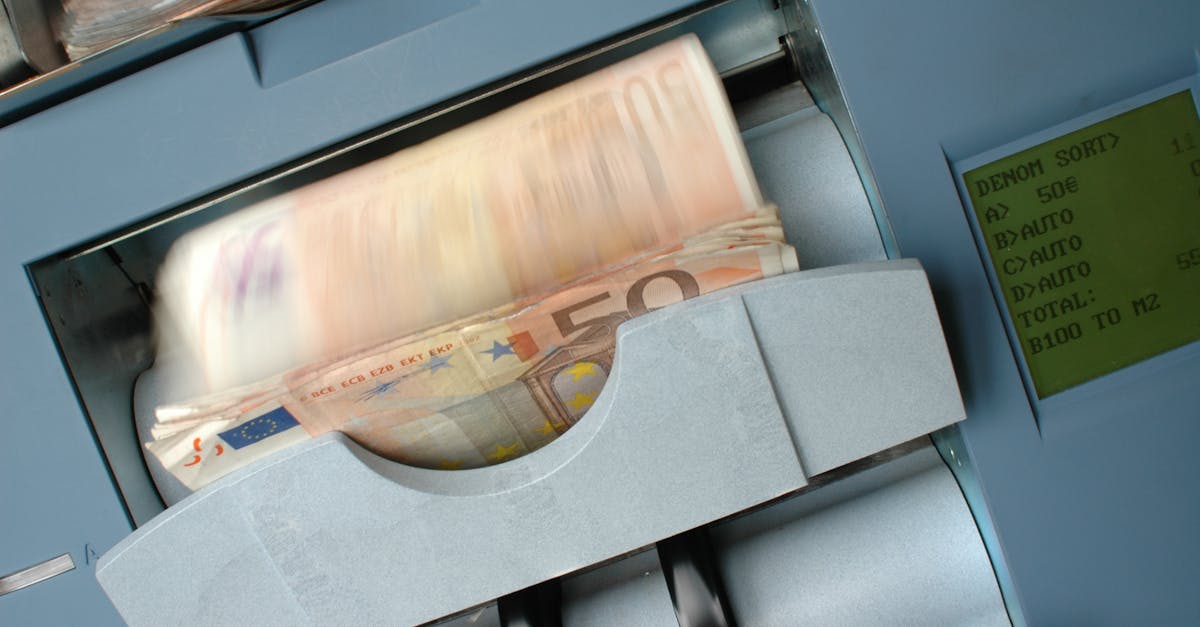
Counterfeit laws and safe handling
Passing counterfeit currency is illegal and can lead to law-enforcement action, penalties, and civil liability. If you suspect counterfeit notes, follow official procedures and avoid circulating them. Banks and authorities provide guidance on how to report suspicious currency and how to proceed with proper redemption. Staying compliant protects you from potential investigations and helps preserve the integrity of local cash flows.
Pro tip: if a note is clearly counterfeit, document relevant details and contact your bank or local police for the appropriate report and next steps.
Know Your Customer (KYC) and anti-money-laundering (AML) considerations
Cash handling, especially in larger volumes, involves regulatory considerations like KYC and AML rules. Banks monitor large cash deposits and withdrawals for suspicious activity, and CTRs (Currency Transaction Reports) may be triggered for certain thresholds. When you are selling a vehicle or conducting a cash-heavy transaction, be prepared to provide identification, transaction details, and source of funds to your financial institution. Clear documentation helps you stay compliant and reduces delays in redemption.
Takeaway: maintain transparent records of where the cash came from and the purpose of the transaction to facilitate compliant handling.
Reporting counterfeit activity
If you encounter counterfeit currency, report it to local law enforcement and your bank. In the United States, the United States Secret Service oversees counterfeit investigations, and banks have established procedures for reporting and handling. Early reporting helps prevent broader circulation and contributes to public safety. Your report should include a description of the note, where it was found, and any corroborating details from the transaction.
Safety Tips for Handling and Storing Junk Cash
Storage and chain of custody
Store damaged and intact notes separately in labeled containers to maintain a clear chain of custody. When submitting notes for redemption, keep a straightforward record of each batch, including counts and condition notes. If you are processing cash across multiple days, store notes securely and avoid mixing questionable notes with regular cash until their status is determined by a bank or official center.
Best practice: implement a simple, auditable handoff process when moving notes from one person to another or from a vehicle to a banking partner.
Hygiene and safe handling
Handling large volumes of cash raises hygiene concerns. Wash hands after handling notes and consider gloves if you are managing substantial quantities. In addition to personal safety, consider the physical durability of notes and the risk of contamination when notes are exposed to moisture or soil. Quick minimization of contact and careful handling can improve the reliability of your submission and protect you from legitimate concerns about cleanliness.
Practical tip: keep a dedicated, clean space for cash handling to minimize cross-contamination with other items in your home or business.
Documentation and submission readiness
Before submitting notes for redemption, assemble all relevant documentation, including receipts, redemption forms, and a note-by-note condition log. This preparedness reduces friction at the bank or processing center and speeds up verification. If you are submitting a large batch, consider arranging a quick appointment with your bank to streamline the process and ensure you bring the correct forms and identification.
Impact of Digital Payments and Trends on Cash Handling
Growing adoption of contactless and mobile payments
Digital payments continue to expand, particularly contactless cards and mobile wallets. For many small transactions, consumers prefer speed and convenience, which can affect cash volumes in everyday settings and in vehicle-related exchanges. Even as digital payments rise, cash remains essential for certain customers and contexts, including certain car-recycling and towing transactions where quick on-site payment is valued. This hybrid reality means cash handlers should maintain robust procedures while embracing digital options for receipting and settlement.
Strategic note: integrate digital receipt options and clear cash-handling policies to accommodate a broader customer base while preserving cash workflow efficiencies.
Central bank experiments and digital currencies
Central banks are exploring digital currencies and faster settlement rails, which may influence cash reserves and processing timelines in the coming years. While a universal digital currency is not yet in place, ongoing pilots and policy discussions suggest a future where mixed ecosystems—cash plus digital settlement—become the norm for small businesses and households alike. For junk-car sellers and buyers, this could translate into more flexible payment options, reducing cash handling needs while maintaining reliability and trust.
Takeaway: stay informed about local and national policy developments related to digital currencies and real-time payments, and adapt your cash-handling policies to align with evolving payment landscapes.
Operational implications for cash-handling businesses
For businesses and individuals who routinely handle cash in the junk car ecosystem, the shift toward digital payments can affect staffing, security, and cash control procedures. Consider updating cash intake protocols, training staff in counterfeit checks, and adopting a hybrid approach that accommodates both cash and digital payments. If you rely on on-site cash payments for pickups, ensure that your rewards or cash-for-tow processes can be conducted securely and transparently, with clear records and receipts.
Quick-start Checklists: Households and Small Businesses
Households checklist
• Sort notes by condition and keep damaged notes separate from pristine currency. • Deposit or redeem at official channels as needed. • Use receipts and maintain a simple record of what was submitted. • If you suspect counterfeit, do not pass the note and contact your bank or authorities. • When handling large or frequent cash, consider secure storage and a defined chain of custody.
Small businesses checklist
• Train staff on basic counterfeit checks and recognition of damaged notes. • Establish a standard cash intake procedure with documentation and receipts. • Create a clear path for damaged-note redemption and communicate it to customers. • Maintain organized submission records and consult your bank for guidance on forms and processing times. • Periodically review cash-handling policies to adapt to evolving payment trends and regulatory guidance.
Resources and Further Reading
Authorities and official guidance
U.S. Bureau of Engraving and Printing (BEP): guidance on mutilated currency redemption and submission forms. Federal Reserve: currency processing, redemption options, and cash-handling policies. U.S. Secret Service: counterfeit guidance and reporting channels. For local specifics in the Houston area, check with regional banks and state-level consumer protection offices for updates on currency handling procedures.
Industry reports and practical guides
Consult credible currency-management resources and regulatory publications for practical steps on handling damaged notes, counterfeit detection, and compliance. Look for reports and advisories updated within the last 2-3 years to ensure your practices reflect current standards. These sources can provide official forms, processing timelines, and jurisdiction-specific considerations to support smooth redemption and safe handling.
Ready to turn your unwanted vehicle into quick cash? Kelly Car Buyer, Inc makes it easy to sell almost any type of vehicle—including cars, junk cars, trucks, semi-tractors, and trailers—regardless of condition. Don’t wait to get the best offer—click now to discover how simple and hassle-free selling your vehicle can be, and enjoy fast, top-dollar payouts today!