





Introduction: Old Cars in 2026 — Why this guide matters
This guide helps you navigate ownership, maintenance, restoration, and valuation in a way that respects authenticity while delivering practical reliability; learn more in the old cars guide: how to research, buy, restore, and maintain classic vehicles.
We’ll cover the full spectrum: how to decide what you want from an old car, steps to keep it running safely, approaches to restoration with budgets and timelines in mind, and how to evaluate value in today’s market. You’ll also find digital resources, community networks, and real-world strategies tailored for 2026—the era of data-driven pricing, online marketplaces, reproduction parts, and more accessible documentation than ever before.
For readers in the Houston area, this guide also emphasizes regional realities: hot, humid summers that stress cooling systems, humidity-driven rust risk, and the importance of storage and maintenance routines that fit local climate and infrastructure. Whether you’re chasing a weekend cruiser, a showroom-worthy show car, or a project to enjoy with family and friends, this guide aims to help you act with clarity, confidence, and value.
Understanding Your Goals and Defining Scope
Your goals will shape every subsequent decision—from the level of restoration you pursue to the type of maintenance you prioritize—see the header-desktop page for a quick overview of how the site organizes core resources.
Each path requires different trade-offs: authenticity versus modern safety features, original mechanicals versus prepared upgrades, and the pace at which you’ll invest time and money—chicago car club can help you explore these options.
Buying Considerations in 2026
Buying an old car in 2026 involves a careful blend of due diligence and market awareness. Start with documentation: matching numbers, title status, maintenance histories, and any available restoration records. VIN history helps reveal prior accidents, odometer sanity, and ownership chains that matter for provenance. Rust risk and frame integrity are non-negotiables—structural health often dictates repair costs and safety profiles far more than cosmetic condition.
Sources for purchase span a broad spectrum: public auctions such as renowned collector events, club member sales, private sales, and reputable dealers who specialize in classics. Prices vary widely by era, brand, and condition, so triangulate value using multiple references. Use valuation tools as checks rather than final authority: credible guides consider provenance, restoration quality, and condition categories that aren’t always apparent from photos alone.
Practical steps include inspecting the vehicle’s documentation trail, researching common rust hotspots for the model, and cross-checking parts availability for the intended scope of your project. Regional market nuances also matter; a rare model might command strong interest in one area but be traded less aggressively in another. With disciplined research and a clear goal, you can avoid overpaying and identify a solid foundation for your next project.
Pre-Purchase Inspections and What to Look For
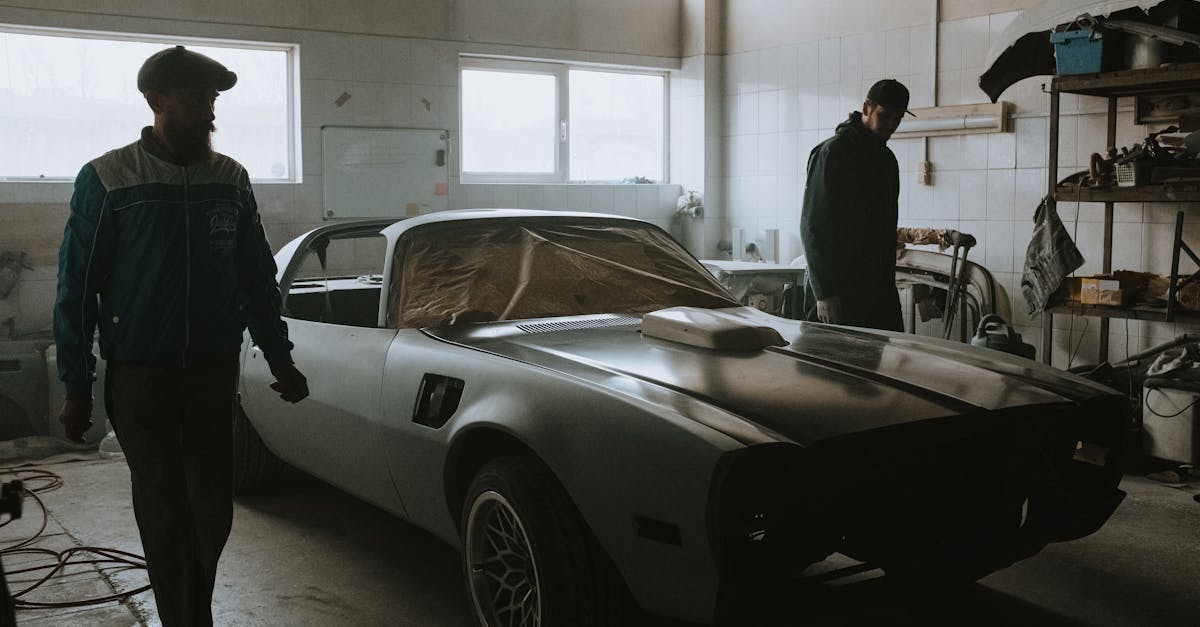
A rigorous pre-purchase inspection is your best defense against regret. Begin with the shell: look for hidden rust around the floor pans, rockers, trunk, shock towers, and frame rails. Surface rust can be treatable, but corrosion that compromises structure increases repair complexity and cost dramatically. If the car’s frame shows bending, cracks, or heavy corrosion, factor in a potential frame repair or replacement into your budget and timeline.
Next, assess the drivetrain, cooling system, brakes, suspension, and electrical. A smooth-running engine, solid compression, and clean cooling systems translate into fewer surprises after purchase. Electrical gremlins in classic cars are common and expensive to chase, so document where wiring has been updated and whether critical components (ignition, charging system, cooling fans) have been upgraded. Don’t overlook the transmission and drivetrain compatibility with planned upgrades or parts availability, especially if you’re aiming for more reliable daily driving or easier maintenance in the long run.
Red flags warrant caution: pervasive rust, a mismatched or doctored odometer, incomplete or inconsistent maintenance records, or questionable provenance. Plan contingencies for these scenarios—set aside a reserve for needed fixes, arrange a trusted shop for a deeper mechanical check, and consider independent inspection from a seasoned specialist who understands the model’s typical failure points. With a disciplined inspection, you’ll enter negotiations with leverage and a realistic plan for the project.
Maintenance Essentials for 2026 Classic Cars
Maintenance for older cars in 2026 centers on reliability, safety, and compatibility with modern fuels and conveniences. Ethanol-blended fuels can affect fuel systems that aren’t designed for it, so assess fuel lines, carburetor or fuel injection components, and critical seals. Moisture management matters in humidity-rich climates like Houston; a standing moisture problem can accelerate corrosion and electrical issues, so prioritize seals, ventilation, and moisture-absorbing solutions in the trunk and cabin.
Beyond fuel, focus on the big three: cooling, braking, and steering. Modern driver expectations require a reliable cooling system to handle Houston heat, upgraded brakes responsive to city driving, and steering feedback that remains precise. Electrical reliability is another cornerstone; consider updating charging systems where appropriate, and document any safety upgrades so you don’t lose track of what’s been done for show or resale eligibility. Finally, embrace digital tools: maintenance logs, online service manuals, and reminder apps help you stay on schedule, reduce guesswork, and extend the life of hard-to-find parts.
Restoration Pathways and Budgeting
Restoration is a spectrum. A full, frame-off restoration aims for a largely new-like finish and top-tier authenticity, but it comes with a long timeline and significant budget. A driver-focused approach, or mechanical refresh, prioritizes reliability and usability while preserving most of the car’s original character. Your choice should align with your goals, budget, and how you value originality versus practicality. In 2026, factors like supply-chain fluctuations, parts availability, and labor costs influence both timelines and budgets, so build flexibility into your plan.
Cost ranges vary by era, complexity, and regional labor markets. Consider the full lifecycle: sourcing periods (when parts are scarce, prices rise), the shop’s expertise, and the time required for paint, bodywork, and mechanical refreshes. Create a staged plan with milestones: teardown, body and paint, drivetrain work, interior, and final assembly. Build contingencies for unexpected issues—rust at unforeseen locations, hidden rot in the chassis, or rare missing components. A well-scoped restoration that respects the car’s character can be highly rewarding, but a clear, written budget and timeline are essential to avoid drift and disappointment.
Sourcing Parts and the Part Supplier Landscape

Parts sourcing is the lifeblood of any old-car project. Decide early whether you’ll chase NOS (new old stock) parts, high-quality reproductions, or a mix of both. NOS parts are coveted for authenticity but can be scarce and costly; reproductions offer reliability and often broader availability, though fitment and finish can vary. Cross-compatibility is a key consideration—some parts from closely related models or years may fit with only minor modifications, while others require more extensive adaptation.
Global suppliers and new realities like 3D-printed components are reshaping access to rare items. When evaluating vendors, prioritize detailed product descriptions, clear fitment information, and documented return policies. Seek community recommendations from forums and clubs to identify trusted sources with proven track records. Maintain meticulous records of part provenance, install notes, and compatibility to support future resale or show eligibility.
Upgrades, Authenticity, and Modern Comforts
Smart upgrades can improve safety, reliability, and daily usability without eroding the car’s identity. Consider safe modernizations such as upgraded brakes, LED lighting, electronic ignition, or EFI retrofits that preserve the exterior and interior aesthetics while delivering more predictable operation. When planning electrical system upgrades, balance reliability with authenticity—document changes thoroughly, label wiring, and maintain period-correct aesthetics where possible.
Battery technology, charging strategies, and fuse-box modernization can dramatically improve reliability in daily driving. Any modifications should be documented for future show eligibility and resale transparency. Before you proceed, weigh the practical benefits against the potential impact on value. In some circles, excessive modernization can reduce eligibility for certain shows or reduce the perceived provenance of a highly original car. The key is thoughtful, well-documented changes that enhance usability while preserving the car’s core character.
Valuation, Market Trends, and Investment Considerations
Valuation in 2026 combines provenance, condition, and the model’s historical desirability. Monitor market trends for category-specific demand, regional variations, and scarcity effects—that is, whether a model is experiencing rising interest from collectors or becoming more accessible to enthusiasts. Provenance matters: documented restoration work, numbers-matching components, and a complete maintenance history can significantly influence value. Be cautious of overpaying by focusing on the car’s current condition and realistic restoration scope rather than speculative hype.
Approach valuations as a framework, not a final verdict. Use established sources—such as independent valuation guides, dealer appraisals, and auction histories—to triangulate price expectations. Red flags for overpaying include opaque provenance, inconsistent documentation, or parts that are unavailable or incompatible with your intended scope. Your long-term ownership plan should align with personal goals—whether you aim to preserve a museum-quality classic, enjoy a high-quality driver, or build a platform for resale-and-restoration appreciation.
“Experts agree that documented provenance and a clear maintenance history are the strongest predictors of future value for classic cars. In 2026, buyers increasingly reward transparency and verifiable work, even when the car isn’t perfect.”
— Industry restoration specialist
Digital Resources, Communities, and Learning in 2026
Digital platforms are indispensable for modern classic-car ownership. Valuation tools from reputable sources help set realistic expectations; marketplaces like Bring a Trailer, Hemmings, and dedicated club forums provide exposure, feedback, and a sense of community. Access to digital manuals, service bulletins, and technical databases has never been easier, enabling owners to diagnose issues, source specs, and verify compatibility without leaving home.
Active local clubs, car shows, and online Discord groups offer hands-on learning, troubleshooting tips, and real-world project advice. In 2026, the best owners combine a steady rhythm of self-education with community input to avoid common pitfalls and to celebrate small wins along the restoration journey. Build a digital library early—download service manuals, save technical bulletins, and curate a parts wishlist based on community recommendations.
Insurance, Legalities, and Safe Storage
Classic-car insurance is a vital safeguard that reflects how you plan to use the vehicle. Evaluate coverage options that align with usage—whether occasional shows, limited road use, or occasional cruising. Value-based policies, mileage restrictions, and agreed-value terms are common features; compare deductibles, claims processes, and any restrictions that could affect your driving experience or show eligibility.
Secure storage is essential in hot, humid climates. Consider indoor storage, dehumidification, pest control, and anti-theft measures appropriate for your area. Maintain thorough documentation: appraisals, VIN verification, and records of restorations or major upgrades. Keeping a well-organized paper trail helps with insurance, resale, and club eligibility, while providing peace of mind about your asset’s ongoing value.
Getting Started: A Practical 30/60/90-Day Plan
If you’re new to the world of old cars, a structured plan can turn a dream into a workable project. In the first 30 days, evaluate potential project cars with a critical eye, secure a suitable workspace, and establish a basic maintenance calendar. Look for a model that fits your goals and your local climate, and begin documenting your research with notes, photos, and a parts wishlist.
Days 31–60 focus on hands-on assessment and budgeting. Schedule a trusted pre-purchase inspection if you’re considering a purchase, identify a preferred shop or team, and begin building a realistic project budget that includes contingencies for rust, repainting, or drivetrain work. By day 90, you should have a clear decision: keep and restore, sell for parts, or move on to a more suitable project. Set concrete milestones, such as securing parts, completing the bodywork, and achieving road readiness, so you know you’re making progress you can measure and celebrate.
Ready to turn your unwanted vehicle into quick cash? Kelly Car Buyer, Inc makes it easy to sell almost any type of vehicle—including cars, junk cars, trucks, semi-tractors, and trailers—regardless of condition. Don’t wait to get the best offer—click now to discover how simple and hassle-free selling your vehicle can be, and enjoy fast, top-dollar payouts today!