





The Ultimate Buyers Guide to Cash-for-Car Companies
Definition of cash-for-car programs and how they differ from private sales and traditional recyclers
Cash-for-car programs are specialized services that buy vehicles in any condition and pay you on the spot, often offering free pickup and on-site payment; see buy car for cash: the essential buyers guide to paying cash for your next vehicle.
For Houston-area residents, these programs—covered in car companies that buy cars: a complete guide to selling your vehicle for the best offer—can simplify the sale of junk, old, or unwanted cars, trucks, or SUVs.
Why consumers are drawn to these services: speed, simplicity, and guaranteed payment
For many Texas residents—whether you’re in Houston or exploring options from elsewhere—the guaranteed payment and the ability to avoid last-minute surprises are compelling advantages, and services like cars for cash san antonio can offer online quotes within minutes, convenient pickups, and immediate payment.
That said, guaranteed payment doesn’t always mean the highest possible price. The trade-off often involves accepting the average market value for the vehicle’s current condition and title status. The key is to approach the process with clear expectations, gather the right documents, and choose a buyer who matches your timeline and needs without compromising on basic protections.
What this guide covers: market landscape, evaluation criteria, maximizing offers, scams, the selling process, and regional nuances
This guide walks you through the current market landscape for cash-for-car programs, then dives into how to evaluate buyers, maximize your offer, and protect yourself from scams. You’ll learn what factors influence valuation, how to transfer title in Texas, and how regional dynamics in the Houston area can affect pricing and logistics. You’ll also find a step-by-step selling process and a quick regional checklist to keep you organized from first contact to final payment. Together, these sections are designed to help you secure a fair, fast, and transparent transaction that leaves you with cash in hand and peace of mind.
The Current Market Landscape for Cash-for-Car Programs
National chains
National cash-for-car chains bring scale, standardized processes, and broad coverage. In the Houston area you’ll encounter offers that are consistent with their nationwide networks: rapid online quotes, centralized call centers, and a promise of free pickup. These operators tend to publish broad ranges, then adjust after an in-person inspection. The upside is predictability and efficiency, especially if you’re juggling a busy schedule. The downside can be a narrower range of individual negotiation and potential adjustments after inspection, which means the final payout may be near the lower end of the initial range if the car has issues not evident in the remote quote.
Payout accuracy
National chains typically provide a clear quote framework, but the final number depends on a on-site inspection. Expect deviations based on title status, mechanical condition, and any hidden issues. A well-run chain will disclose adjustments transparently with a written explanation and offer a revised quote before the pickup driver leaves.
Speed of payment
These programs often pay on the spot or within hours of pickup. If you prefer cash, you’ll usually receive it at pickup; if you choose a bank transfer or same-day ACH, the payment may occur immediately after the inspection. In most cases, the speed is one of the strongest selling points for national chains.
Acceptance criteria
National chains generally accept a wide range of vehicles, including cars with damaged frames, high mileage, missing parts, and some with salvage or rebuilt titles. They typically require a valid title and a government-issued ID, and they may have stricter rules for certain model years or EVs due to battery and safety concerns.
Required documents
Expect to provide a title, a matching vehicle ID, your driver’s license, and any lien-release documents if the car is financed. Some operators will handle lien releases themselves if you provide the necessary paperwork; others require you to obtain it ahead of the pickup.
Pickup/logistics and convenience
Pickup is usually arranged at your location, with the option of same-day or next-day service. National chains leverage standardized scheduling windows and GPS-enabled pickup to minimize wait times. If you’re in a dense Houston corridor, you may experience shorter wait times during non-peak hours.
Regulatory protections and dispute resolution
These buyers must comply with federal and state consumer-protection laws. Reputable chains provide written quotes, clear terms, and a process for dispute resolution, often including a customer service line and, in some cases, a formal complaint channel. Retain all paperwork in case you need to escalate issues with a regulator or consumer protection agency.
Local cash-for-car yards
Local yards play a critical role in the Houston market, offering a more personalized, neighborhood-oriented experience. They often tout quicker turnarounds, flexible booking, and stronger local relationships. Because they operate on a smaller scale than national chains, you may encounter more variability in pricing and service levels, but you can also negotiate more directly and build a rapport that helps you understand the offer in plain terms.
Payout accuracy
Local yards may present a tighter range of offers but can adjust quickly based on condition. Some customers see higher final offers after inspection due to their willingness to negotiate or to account for the specific demand in their neighborhood for certain vehicle types.
Speed of payment
In many Houston neighborhoods a local yard can complete the sale within a few hours, especially if you schedule same-day pickup. When you need cash today, a nearby yard can be a practical option, provided you’ve checked their legitimacy.
Acceptance criteria
Local yards typically handle a broader variety of situations, including older models, project cars, or vehicles with salvage titles. Their on-site knowledge of the local market often helps them make competitive offers for cars that national chains might pass on or discount more aggressively.
Required documents
Documents are usually similar to those required by national chains, with a preference for the title and a valid ID. If there are any liens, you’ll need the lien release; some yards will assist with this while others require you to arrange it beforehand.
Pickup/logistics and convenience
Local yards typically offer flexible scheduling and may be willing to meet you at home, work, or a convenient location. They can also be more accommodating for vehicles with accessibility issues or non-standard configurations.
Regulatory protections and dispute resolution
While still bound by state and federal law, local operators vary in their formal dispute mechanisms. Choose a yard with a transparent process, written quotes, and a public-facing address or license information to reduce risk of misunderstandings.
Online marketplaces with mobile pickup
Online marketplaces connect you with buyers who arrange mobile pickup, often aggregating offers from multiple buyers. They combine digital quotes with on-site inspections, giving you a blended experience of transparency and convenience. In Houston, these platforms can be particularly effective for getting multiple competitive quotes without leaving your driveway, especially for mid-range vehicles or EVs seeking quick disposition.
Payout accuracy
Marketplace dynamics can yield highly competitive initial quotes, but the final figure depends on the on-site inspection and any adjustments the platform allows. Expect a few percent variability between the online quote and the final payout, especially if the vehicle condition is complex to assess remotely.
Speed of payment
Speed is usually fast, but some platforms route payment through the buyer after the pickup, which can introduce a short delay. If you need cash, verify the payment method and timing before the pickup window is confirmed.
Acceptance criteria
These marketplaces typically accept a wide range of vehicles, including those with minor mechanical issues or cosmetic damage. They may be more selective on EV battery health or unusual configurations, requiring a closer look during the inspection.
Required documents
Expect to provide a title, ID, and proof of ownership. Some platforms can assist with lien releases, but you will usually need to coordinate this if the car is financed.
Pickup/logistics and convenience
Mobile pickup is the hallmark of these platforms. In Houston you may schedule a same-day pickup, with the inspector visiting your location. The convenience factor is high, particularly for tight schedules or limited driving options.
Regulatory protections and dispute resolution
Plastic contracts and digital signatures are common. Ensure the platform provides a written, detailed quote and a clear path to dispute resolution, including contact information and a documented process for refunds or adjustments if something goes off schedule.
How to Evaluate Cash-for-Car Companies: Evaluation Criteria
Initial quote reliability
Initial quotes set the tone for the deal. Look for consistency between online estimates and the in-person quote, and seek a written quote before any pickup is scheduled. A reliable quote should reflect the vehicle’s stated condition and title status, with no hidden caveats announced at the last minute.
Payout accuracy
Compare the projected range to the final payout. If there’s a meaningful delta after inspection, ask for a detailed explanation and a written addendum to the estimate that accounts for any discovered issues.
Speed of payment
Ask the company to specify when payment will be issued relative to inspection and pickup. A reputable buyer will provide a concrete timeline and honor it consistently.
Acceptance criteria
Clarify what conditions trigger a lower offer or withdrawal. For example, certain mechanical faults, tire conditions, or non-standard titles may alter the quote. Getting these criteria in writing helps prevent surprises at pickup.
Required documents
Confirm the exact documents needed to complete the sale and transfer. Knowing ahead of time minimizes delays at pickup and reduces the risk of a canceled appointment due to missing paperwork.
Pickup/logistics and convenience
Evaluate how flexible the pickup options are, including times, locations, and whether the service can meet your schedule. Convenience is a core value in cash-for-car programs, but it should not compromise clarity or protection.
Regulatory protections and dispute resolution
Assess whether the buyer provides written terms, a contact channel for disputes, and a transparent process for refunds or adjustments. A clear path to resolution protects you if issues arise after the sale.
Hidden costs and transparency
Hidden costs can erode the value you receive. Look for any extra charges in the contract—toward tow fees, admin fees, or processing costs—and ensure they are disclosed upfront. The most reliable buyers spell out all potential costs in advance and offer an itemized final quote.
Payout accuracy
Even when the stated quote is attractive, hidden costs can reduce the actual payout. Favor buyers who publish a transparent fee schedule and explain any deductions in detail before you sign.
Speed of payment
Transparent buyers typically avoid last-minute deductions that delay payment. If a deduction is unavoidable, it should be clearly documented and justified in the final quote.
Acceptance criteria
Ensure there are no hidden criteria that would automatically disqualify your vehicle after inspection. A good buyer will present any such criteria in writing upfront.
Required documents
Document requirements should be straightforward and complete. A mismatch between needed documents and what you provide should prompt a revised, transparent explanation rather than a sudden turn-away.
Pickup/logistics and convenience
Fee disclosures should not be tied to pickup convenience. If a charge sneaks in only at pickup, it’s a red flag and a sign to reassess the deal.
Regulatory protections and dispute resolution
Look for formal protections, including a written contract and access to consumer-protection channels if the deal goes wrong. Clear remedies help you recover value if something isn’t right with the sale.
Trust signals: licensing, accreditation, and verified reviews
Trust signals are your best early indicators of legitimacy. Check for a valid business license, state registrations, and credible accreditations. Read verified customer reviews from multiple sources and look for patterns in how concerns are handled. Firms with robust customer-service responsiveness tend to protect buyers from disputes and deliver on promises more consistently.
Payout accuracy
Verified buyers with good track records usually maintain consistent payout practices and provide explanations when adjustments occur. Their reviews often mention fair treatment and clear communication about why a quote changed.
Speed of payment
Licensed, reputable buyers tend to adhere to stated timelines for payment, avoiding delays that leave you waiting with a car on the curb or in your driveway.
Acceptance criteria
Accredited buyers tend to have standardized acceptance criteria published in clear terms, reducing the chance of surprise rejections after inspection.
Required documents
Trustworthy operators require consistent, complete documentation and communicate what is needed early in the process. This reduces confusion at pickup and protects you from last-minute changes.
Pickup/logistics and convenience
Licensed buyers typically coordinate pickup smoothly and honor preferred payment methods, avoiding hidden delays or complicated logistics that frustrate customers.
Regulatory protections and dispute resolution
High-trust operators provide a clear path to resolution, including contact channels, written documentation, and, if needed, recommendations for filing formal complaints with regulators or consumer-protection agencies.
How to Maximize Your Offer

Maximizing your cash offer requires preparation, timing, and smart comparison. Start by collecting quotes from multiple reputable buyers and compare ranges, not just the highest number. A broader view reduces the risk of accepting a deal that looks good at first but carries hidden deductions later. You’ll want to present a clean, organized case for your vehicle to boost confidence in your final payout.
- Prepare the car for inspection: gather the title and lien releases if any, remove personal items, and document service history or recent maintenance. A clean history and organized paperwork make the vehicle easier to verify and price more accurately.
- Choose timing strategically: midsize SUVs or popular models may fetch better offers in spring and early summer, while demand for older, high-mileage cars can spike in cooler months when replacements are needed sooner.
- Ask for a written quote before pickup and verify the quote remains valid at the scheduled inspection time. If the vehicle doesn’t pass inspection, request a detailed written explanation and a revised offer in writing.
- Know the regional demand: certain body styles, engines, or EV configurations may be priced differently in the Houston Metroplex. Use this to your advantage when comparing offers.
By comparing multiple quotes, preparing thoroughly, and choosing a buyer who communicates clearly, you can maximize your final payout while keeping the process efficient and free of surprises.
Typical Valuation Factors That Influence Cash Offers
Cash offers hinge on a handful of core factors, plus regional quirks that can shift demand. Understanding these elements helps you set realistic expectations and present your car in the most attractive light.
Core factors: Age, mileage, mechanical condition, and cosmetic condition are the primary drivers of value. An older car with low mileage can still command a reasonable price if it runs well and is cosmetically acceptable. Conversely, a newer model with severe mechanical issues or frame damage will fetch lower offers.
Title status and liens: A clean title typically yields higher offers than salvage or rebuilt titles. If there’s a lien, you’ll need a lien release before the title can transfer. The timing and completeness of lien-related paperwork can influence both final cash and the speed of payment.
Vehicle specifics: Battery health for EVs, tire condition, brakes, and model-specific demand in your region all factor into the final price. In Houston, demand for certain SUVs, trucks, and popular commuter models may shift the quote you receive relative to out-of-state markets.
Documentation quality: The more complete your paperwork, the smoother the inspection. Missing or inconsistent documents can trigger price adjustments or delays in payment. Prepare to show title, ID, and any lien-release documents if applicable.
These valuation factors combine with the buyer’s internal pricing models to determine the final payout range. By presenting a vehicle with clear title and good maintenance records and by understanding how local demand affects pricing, you can position yourself for a favorable offer.
Regulatory Considerations and Consumer Protections
Cash-for-car transactions are governed by a mix of federal consumer-protection rules and state-specific regulations. In Texas, title transfer requirements, odometer disclosures, and documentation standards are administered by the Texas Department of Motor Vehicles and state consumer-protection offices. National and regional buyers must comply with these rules, and reputable buyers will provide clear, written terms and a copy of the contract for your records.
When evaluating a buyer, look for explicit disclosures about the transfer of ownership, any fees, and the exact method and timing of payment. You should also be aware of contract terms that could limit your recourse if the offer changes or if the pickup is delayed. If you suspect a problem, contact your state consumer-protection office and file a formal complaint if needed. Keeping copies of all documents and communications helps you pursue remedies efficiently.
“A written quote, clear terms, and a documented path to resolution are your best protections in any cash-for-car deal.” — Industry veteran
Common Scams and How to Avoid Them
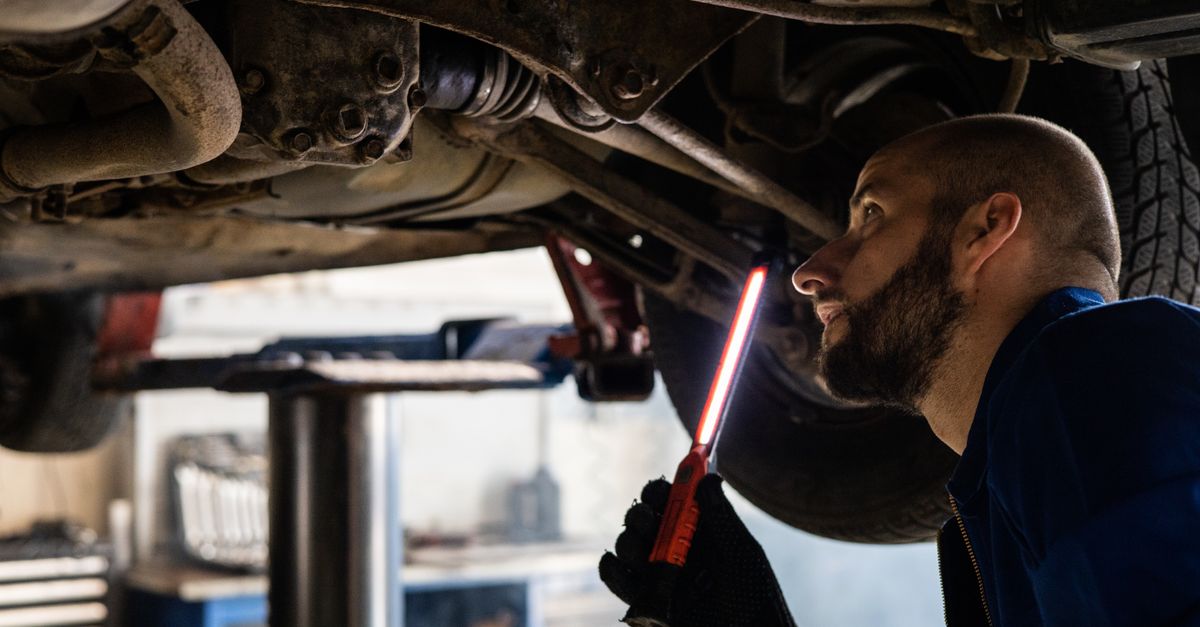
Scams in the cash-for-car space are not uncommon, but they’re preventable. Common red flags include fake cashier’s checks, quotes that change at pickup, or additional tow charges that appear only after arrival. High-pressure sales calls, offers that seem too good to be true, and requests for upfront payments or nonrefundable deposits are also warning signs. Always insist on a written contract, verify the buyer’s license and business status, and cross-check online reviews before committing.
- Fake checks: If the payment method looks unusual or the check appears counterfeit, do not hand over the car or release ownership. Verify funds directly with the bank and require a guaranteed payment method before pickup.
- Last-minute quote changes: If the final price changes on the day of pickup, demand a detailed written explanation and an updated contract before any payment or transfer occurs.
- Unclear fee structures: Ask for a complete, itemized list of any potential charges before agreeing to any offer. If a fee isn’t disclosed up front, walk away.
- Licensing and legitimacy: Check for a current business license, a physical address, and a verifiable phone number. Cross-check the business on the state regulator’s site and with consumer review platforms.
Step-by-Step Selling Process with Cash-for-Car Companies
- Obtain multiple quotes and verify business legitimacy. Contact at least two or three reputable buyers, and ensure they provide written quotes and clear terms before you proceed.
- Gather documents: title, driver’s license, lien release if applicable, and vehicle registration. Having these ready reduces delays at pickup and keeps the process smooth.
- Schedule pickup and conduct the inspection in daylight; obtain a written quote. A daylight inspection helps you identify any issues more accurately and ensures you understand why any adjustments are made.
- Sign title transfer as required by Texas law and receive payment via your preferred method. Ensure you receive a receipt and a copy of the transfer documents for your records.
- Retain records for tax and title history purposes. Keep all paperwork, including the final bill of sale and payment confirmation, in a safe place for future reference.
Regional Differences and Practical Tips by Area
Regional differences can influence demand for certain vehicles and the practicality of particular programs. In the Houston metro area, factors such as city towing rules, traffic patterns, and the concentration of auto-repair shops can affect pickup windows and payment speed. Texas-specific rules around title transfers and odometer disclosures also shape how quickly you can complete a sale and receive payment.
Practical tips for Houston-area sellers include checking the buyer’s license status with the Texas DMV, reading multiple local reviews, and asking about local pickup windows and same-day service availability. If you own a newer EV or a model with high demand in Texas, you may receive more competitive offers from buyers who specialize in electric vehicles or newer model years. Always verify the regional capabilities of the buyer, including whether they can arrange free pickup in your neighborhood and how they handle title transfer in Texas.
Quick Reference: Checklist and Final Thoughts
- Get multiple written quotes and compare ranges, not just the top number.
- Prepare documents in advance: title, ID, lien release, and registration.
- Inspect the final quote in daylight and insist on a written contract before pickup.
- Understand regional rules for title transfer and odometer disclosures in Texas.
- Watch for red flags: pressure tactics, upfront fees, or quotes that change at pickup.
- Choose a buyer with clear terms, credible licensing, and a straightforward dispute-resolution path.
By staying organized, verifying legitimacy, and focusing on transparent quotes and reliable pickups, you can maximize value while avoiding common scams. This approach works especially well in the Houston Metroplex, where regional demand and logistical options can be leveraged to secure a fair, fast, and hassle-free cash offer for your car.
Ready to turn your unwanted vehicle into quick cash? Kelly Car Buyer, Inc makes it easy to sell almost any type of vehicle—including cars, junk cars, trucks, semi-tractors, and trailers—regardless of condition. Don’t wait to get the best offer—click now to discover how simple and hassle-free selling your vehicle can be, and enjoy fast, top-dollar payouts today!